
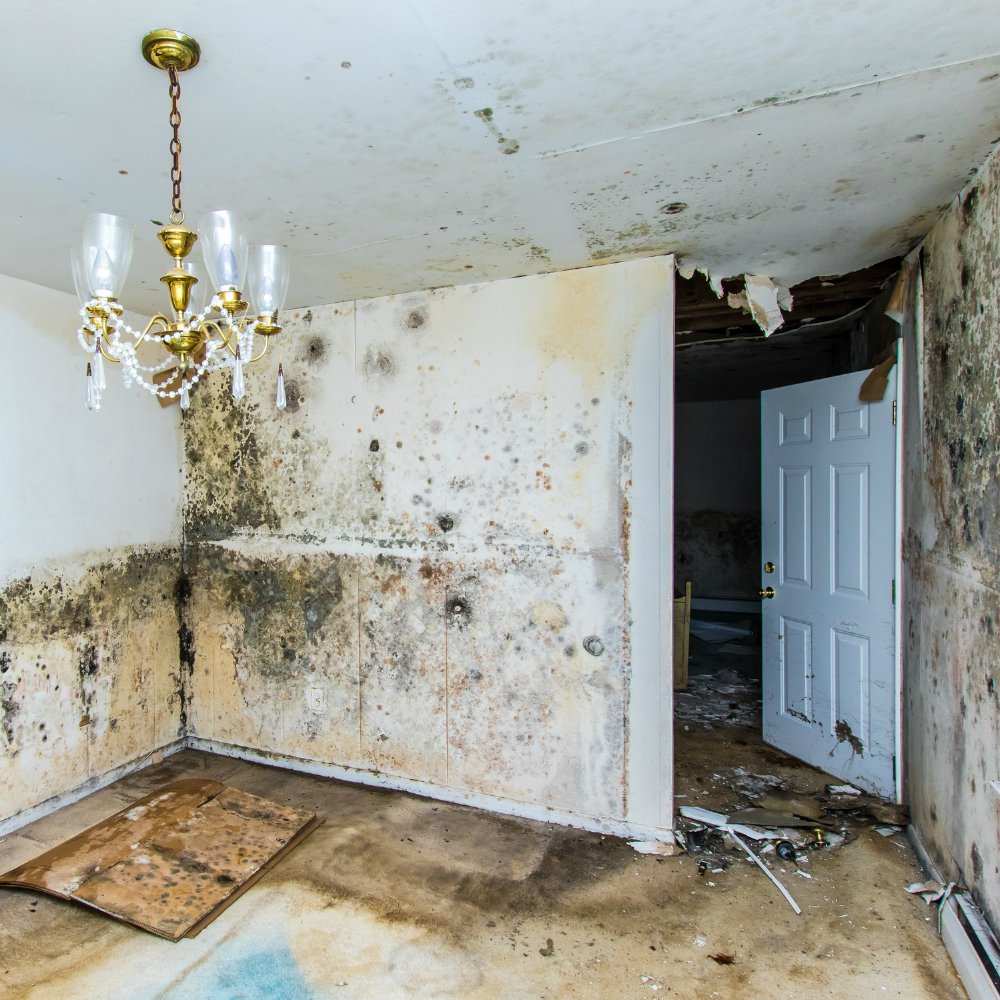
What We See Inside Homes: Black Mold Insights for Homes in Lauderhill
Black mold is one of the most talked-about—and misunderstood—issues we see inside homes in Lauderhill, Florida. Many homeowners imagine dramatic, wall-to-wall mold outbreaks, but the reality is often quieter, hidden, and far more common. Black mold problems usually start small, grow out of sight, and only become obvious once health symptoms or persistent odors appear.
This article explains what is actually found inside Lauderhill homes, where black mold hides, why it develops so easily in South Florida, and what homeowners should realistically understand about the risks.
Why Black Mold Is So Common in Lauderhill Homes
Lauderhill’s environment creates ideal conditions for mold growth year-round. Warm temperatures, frequent rain, and high humidity mean moisture rarely disappears on its own.
The most common contributors include:
- AC systems running nearly all year
- Aging plumbing lines
- Flat or low-slope roofs
- Older homes with limited ventilation
- Past water damage that was never fully dried
Black mold doesn’t require neglect—it only needs moisture and time.
Where Black Mold Is Commonly Found Indoors
Contrary to popular belief, black mold is rarely found in wide-open, obvious places. In Lauderhill homes, it’s most often discovered in hidden or low-visibility areas.
Common locations include:
- Behind drywall near plumbing lines
- Under bathroom vanities
- Behind baseboards
- Inside AC closets and air handlers
- Under tile or laminate flooring
- In wall cavities after roof leaks
By the time mold is visible, it has usually been present for quite a while.
Why Black Mold Often Goes Undetected
One of the biggest challenges with black mold is that it doesn’t always announce itself.
Homeowners often miss it because:
- There may be no strong odor at first
- Walls and ceilings can look normal
- Symptoms are mistaken for allergies
- Mold growth is slow and hidden
This is why many Lauderhill residents are surprised when mold is eventually discovered.
The Role Moisture Plays in Black Mold Growth
Black mold is not random—it follows moisture.
In Lauderhill homes, moisture often comes from:
- AC drain line clogs
- Condensation on cold surfaces
- Slow plumbing leaks
- Roof seepage after storms
- Slab leaks beneath flooring
Even small, ongoing moisture issues are enough to support mold growth over time.
HVAC Systems: A Major Black Mold Contributor
Air conditioning systems are one of the most common places black mold is found during inspections.
Problem areas include:
- Drain pans holding standing water
- Dirty or clogged drain lines
- Evaporator coils with condensation
- Duct insulation exposed to moisture
Once mold develops inside the HVAC system, spores can circulate throughout the home every time the AC runs.
What Homeowners Often Get Wrong About Black Mold
There are several misconceptions that delay proper action.
Myth: Black mold only grows after flooding
Reality: Small leaks and condensation are far more common causes
Myth: You’ll always smell black mold
Reality: Many homes have no noticeable odor at first
Myth: Cleaning visible mold solves the problem
Reality: Mold roots and moisture sources remain hidden
Understanding these misconceptions helps homeowners respond earlier.
Health Clues That May Point to Hidden Black Mold
Not everyone reacts the same way to mold, which makes it harder to identify.
Possible indicators include:
- Persistent coughing or sneezing indoors
- Eye, nose, or throat irritation
- Headaches that improve when leaving the home
- Worsening asthma or allergies
When symptoms improve outside the home but return indoors, hidden mold is often involved.
Why Black Mold Returns After DIY Cleaning
Many Lauderhill homeowners clean visible mold only to see it come back.
This usually happens because:
- Moisture was never fully addressed
- Mold roots remain inside materials
- The source of water was missed
- HVAC contamination was overlooked
Mold removal without moisture control is rarely permanent.
Why Lauderhill Homes Face Unique Risks
Local factors increase vulnerability:
- Older housing stock with aging systems
- High humidity throughout the year
- Frequent heavy rain events
- Continuous AC operation
These conditions mean mold prevention requires ongoing moisture awareness, not just cleanup.
When Black Mold Becomes a Bigger Problem
Black mold becomes more serious when:
- It spreads into HVAC systems
- It affects large areas of drywall or flooring
- Moisture sources remain active
- Health symptoms persist
At this stage, the issue is no longer cosmetic—it’s environmental.
Practical Takeaways for Lauderhill Homeowners
What we consistently see inside homes leads to a few clear lessons:
- Black mold is usually hidden, not obvious
- Moisture control is the real solution
- Early detection prevents larger problems
- Ignoring minor water issues allows mold to grow
Waiting for visible mold often means the problem is already advanced.
Final Thoughts
In Lauderhill, Florida, black mold is rarely the result of extreme neglect. It’s most often caused by everyday moisture problems that go unnoticed in a warm, humid climate.
The most important insight homeowners can take away is this: black mold is a moisture problem first, a mold problem second. Understanding what’s really happening inside homes helps prevent fear, reduce risk, and protect long-term indoor air quality.
