
What We See Inside Homes: Black Mold Insights for Homes in Oakland Park
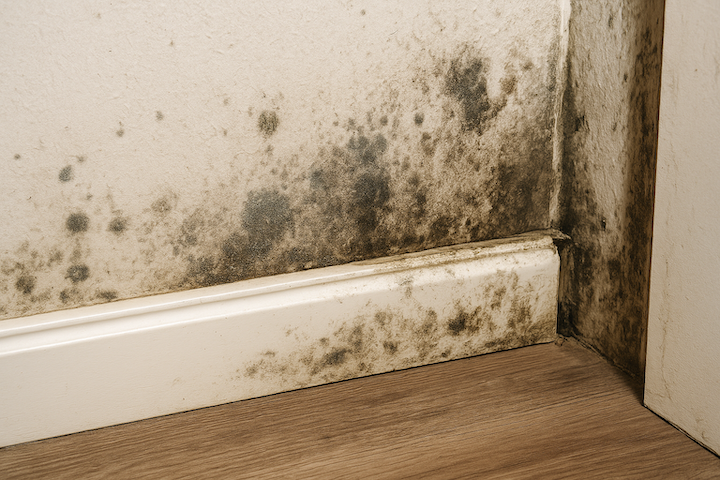
Black mold is one of the most commonly misunderstood and feared problems inside Florida homes. It’s often treated as a worst-case scenario, with sensational headlines about its dangers—creating panic where there doesn’t need to be any. The truth is, black mold doesn’t need to be feared, but it does need to be understood and properly managed. In Oakland Park homes, black mold usually grows slowly and silently, feeding off moisture in hidden places. This article provides real insights from inspections inside Oakland Park homes, helping homeowners understand black mold, why it grows, and how to prevent it from causing major issues.
What Black Mold Actually Is (And What It Isn’t)
When people talk about black mold, they’re usually referring to a specific type of mold called Stachybotrys chartarum. However, not all black-colored mold is this toxic mold, and even Stachybotrys doesn’t always cause severe health issues. Black mold’s true danger comes from its ability to grow in hidden places where homeowners don’t look until the damage becomes obvious.
From real inspections, black mold typically appears in areas that are:
- Constantly damp
- Poorly ventilated
- Exposed to moisture, like behind walls or inside ductwork
Black mold doesn’t suddenly appear. It grows slowly, feeding on moisture over time.
The Real Problem: Moisture Is the Key
The most important factor behind any mold problem is moisture. In Oakland Park homes, mold—black or not—needs moisture to grow.
We often find black mold because of:
- Leaks from plumbing or roofs
- High indoor humidity
- AC condensation issues
- Poor ventilation or inadequate airflow
By the time black mold appears, moisture has been present for a while. Moisture problems that go unnoticed or untreated always lead to mold growth—black mold included.
Hidden Growth: Black Mold Starts Where You Can’t See It
Black mold doesn’t wait for you to find it. It usually grows out of sight first, then spreads slowly to places that are visible.
During inspections in Oakland Park homes, we often find black mold:
- Inside walls and behind drywall
- Above ceilings, especially near leaks or condensation
- Beneath flooring after water damage
- Inside HVAC systems, where moisture builds up undetected
The visible mold is just the tip of the iceberg. The hidden growth—behind materials or in cavities—is where black mold establishes itself before it becomes noticeable.
Why You Don’t Need to Panic—But You Do Need to Act Fast
Fear-based messaging around black mold can be overwhelming, but it’s not about panic—it’s about addressing the conditions that allow black mold to grow.
While some types of mold can cause respiratory issues, black mold, like most molds, needs to be managed in terms of moisture control, ventilation, and removal. Once moisture is controlled, black mold’s ability to grow is reduced significantly.
In Oakland Park homes, mold typically becomes a problem when:
- Moisture stays unchecked for months
- Areas remain damp and poorly ventilated
- Homeowners wait too long to repair leaks or address humidity issues
Mold growth is almost always preventable if moisture problems are identified early.
Black Mold Affects Air Quality Before You See It
Air quality problems often show up before visible black mold.
Homeowners in Oakland Park often report:
- A musty smell that comes and goes
- Allergy symptoms like sneezing, coughing, or itchy eyes
- Fatigue or headaches that improve when away from home
Because black mold releases spores, it impacts air quality long before you see it on surfaces. Indoor air can be contaminated by airborne mold spores long before mold growth becomes visible.
What We Actually Look for During Inspections
Real inspections of Oakland Park homes focus on more than just visible mold. Inspectors measure moisture levels and look for signs of hidden growth to identify the underlying causes of mold.
We evaluate:
- Moisture levels in walls, ceilings, and floors
- Condensation patterns on windows and HVAC components
- Ventilation and airflow issues
- Signs of long-term water damage or leaks
This thorough approach helps us pinpoint why black mold is growing and how to stop it before it spreads.
The Link Between Humidity and Mold Growth
In Florida, humidity isn’t just a nuisance—it’s a major mold accelerator. High indoor humidity creates the perfect environment for mold to thrive, especially in areas that aren’t ventilated properly.
Inspections in Oakland Park frequently uncover:
- High indoor humidity that exceeds recommended levels (30-50%)
- Humid air trapped in poorly ventilated rooms like bathrooms, kitchens, and attics
- Excessive moisture levels inside HVAC systems, which spread spores to the entire house
Controlling humidity levels is one of the most effective ways to prevent black mold from growing in the first place.
Why DIY Mold Removal Fails
Many homeowners in Oakland Park try DIY methods to deal with black mold, from using bleach to scrubbing visible spots. However, this only addresses the surface issue, leaving the underlying moisture problem unaddressed.
DIY mold removal often:
- Leaves moisture sources unchecked
- Does not fully address mold inside walls or ducts
- Spreads spores further through the home
Proper remediation includes moisture control, removing contaminated materials, and treating hidden mold growth.
The Cost of Ignoring Black Mold
Ignoring black mold may seem like a short-term solution, but it often results in long-term costs, both financially and health-wise.
Hidden black mold leads to:
- Higher energy bills due to HVAC inefficiency and air quality issues
- Increased mold remediation costs when the problem gets out of hand
- Health problems that get worse over time for allergy sufferers or those with respiratory conditions
Addressing moisture early not only saves on repairs but also prevents health risks that escalate if left unchecked.
Why Black Mold Remediation Requires More Than Just Cleanup
Real black mold remediation requires more than just scrubbing surfaces. It focuses on addressing the root causes of moisture and mold growth.
Steps in effective black mold remediation include:
- Identifying and fixing moisture sources (plumbing leaks, condensation, ventilation issues)
- Removing contaminated materials (drywall, insulation, wood)
- Treating affected areas to prevent regrowth
- Improving ventilation and controlling indoor humidity levels
Without addressing the cause of moisture, black mold will always return.
What Homeowners Should Watch for in Oakland Park
Early intervention is key. The longer black mold grows, the more difficult and expensive it becomes to remove.
Watch for early warning signs:
- Musty odors that linger or intensify
- Water stains on walls or ceilings that don’t go away
- Condensation that collects on windows or around air vents
- Increased allergy symptoms when indoors
If you notice any of these signs, schedule an inspection to catch the problem early before it worsens.
Final Thoughts: Understanding Black Mold Is the First Step
Black mold doesn’t have to be an overwhelming problem. In Oakland Park homes, real inspections show that early detection and addressing moisture issues are key to managing mold growth effectively. Mold isn’t a random problem; it follows clear patterns linked to moisture, air quality, and airflow.
By focusing on moisture control, airflow management, and proper remediation, black mold can be stopped before it takes over. Understanding the cause of mold growth leads to better solutions and fewer problems down the road.
The most important takeaway is simple:
Control moisture, understand mold’s behavior, and stop black mold before it becomes a serious issue.
