
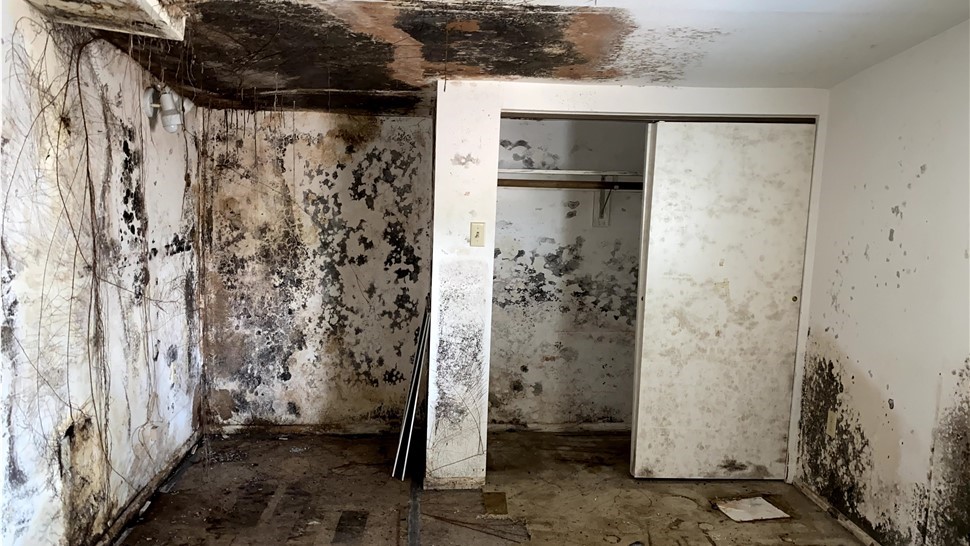
What We See Inside Homes: Black Mold Insights for Homes in Pompano Beach
Black mold is often one of the most misunderstood problems inside homes. It’s commonly feared, frequently misunderstood, and can lead to costly and complicated issues when not handled properly. In Pompano Beach, black mold typically starts small and stays hidden for a while, gradually becoming a bigger problem before homeowners even realize it. Understanding what black mold actually is, how it grows, and why it spreads so easily is the first step in preventing it from taking over.
In this article, we share real insights from inspections in Pompano Beach homes. We’ll clarify the facts, explain why black mold thrives in Florida’s climate, and give you practical advice on how to recognize and address the early signs before the issue escalates.
What Is Black Mold, Really?
When people hear the term “black mold,” they often think it’s a particularly dangerous or toxic type of mold. While it’s true that black mold (scientifically called Stachybotrys chartarum) can cause health issues, it’s not always the severe health hazard it’s made out to be. Black mold simply refers to mold that is dark greenish-black, and it’s often found in damp, poorly ventilated areas.
However, it’s not just black mold that poses a risk. Any type of mold needs moisture to grow and can cause similar indoor air quality problems.
Why Black Mold Grows in Florida Homes
Florida’s warm, humid climate makes it easy for mold to thrive, and Pompano Beach is no exception. The combination of high humidity, heavy rainfall, and frequent storms creates perfect conditions for mold to grow indoors, especially if moisture problems aren’t quickly addressed.
Real inspections in Pompano Beach homes reveal:
- Moisture trapped inside walls or ceilings after leaks or condensation
- Damp insulation and building materials that provide the perfect environment for mold
- Air conditioning systems that trap moisture in ducts or around evaporator coils
Mold doesn’t need a flood to grow. It just needs moisture, and Florida homes are prone to having it in places you can’t always see.
How Black Mold Gets Inside Homes
Mold spores are everywhere. They float in the air, attach to dust, and settle on surfaces wherever moisture is present. Black mold enters homes naturally through the air, but once it finds a damp environment, it starts growing and multiplying.
Common places for black mold to take hold in Pompano Beach homes include:
- Behind walls where moisture from leaks or humidity seeps in
- Inside HVAC systems where condensation accumulates on air handlers or ductwork
- Around windows where condensation regularly forms
- Under floors near plumbing leaks or damp foundations
Once mold spores settle in these damp places, they begin to grow and spread, often without being noticed until it’s too late.
The Link Between High Humidity and Mold Growth
One of the biggest contributors to mold growth in Pompano Beach homes is high indoor humidity. Humidity levels above 60% create an environment where mold thrives. Unfortunately, many homeowners don’t realize how much humidity impacts indoor air quality and the growth of mold.
Humidity problems are often overlooked until mold growth becomes visible. Signs of high humidity include:
- Condensation on windows or walls
- Musty odors when the AC is running
- Stale air or rooms that always feel “damp”
If humidity issues aren’t addressed early, mold can take hold in hidden spaces, making it harder to clean and remove later.
Common Myths About Black Mold
With all the myths floating around about black mold, it’s easy for homeowners to feel confused or overwhelmed. Let’s clear up a few common misconceptions.
Myth 1: Black Mold Always Smells Bad
While black mold does often have a musty odor, it doesn’t always smell right away. Mold often grows in hidden places, such as behind drywall or inside air ducts, before the smell becomes noticeable.
Myth 2: Bleach Can Solve Black Mold Problems
Bleach may temporarily remove the visible mold on surfaces, but it doesn’t address the underlying moisture problem. Black mold often returns if moisture isn’t controlled. The root cause—moisture—must be fixed to prevent regrowth.
Myth 3: Black Mold is Always Dangerous
While black mold can cause health issues, it doesn’t always lead to serious health problems for everyone. People with respiratory conditions, allergies, or weakened immune systems are at higher risk, but the best approach is still addressing the moisture that allows mold to grow in the first place.
How Black Mold Impacts Health
The longer black mold is left to grow, the more it affects the air quality in the home. This can lead to a variety of health problems, particularly for people who already suffer from allergies or respiratory conditions.
Common symptoms caused by black mold exposure include:
- Coughing, wheezing, or shortness of breath
- Eye irritation or redness
- Skin rashes
- Fatigue or headaches
- Sinus congestion or runny nose
If you notice these symptoms worsening while at home, it may be time to investigate potential mold growth, especially if there are other warning signs like visible mold or damp areas.
Why DIY Solutions Often Fail
When homeowners see black mold, they often try cleaning it themselves, but this is rarely effective. DIY cleaning efforts often fail because:
- Moisture remains untreated and keeps the mold growing
- Spore spread during cleaning can cause the problem to get worse
- Hidden mold behind walls or ceilings is never addressed
True mold remediation requires more than just cleaning. It involves moisture control, removing contaminated materials, and treating affected areas.
What We Actually Look for During Black Mold Inspections
Real inspections focus on more than just visible black mold. We look for signs of hidden mold and moisture that feed it. Here’s what we typically evaluate:
- Moisture levels in walls, ceilings, and flooring
- Condensation patterns around windows and doors
- HVAC systems for mold or moisture buildup
- Air quality for elevated levels of mold spores
This thorough approach helps us identify where mold is growing—and why it’s growing—so we can address the root cause.
How Black Mold Remediation Works
Proper remediation focuses on moisture control before mold removal. If the moisture source isn’t addressed, mold will always return.
The remediation process typically includes:
- Removing mold-contaminated materials like drywall, insulation, and carpets
- Treating affected areas to kill spores and prevent regrowth
- Fixing moisture issues (leaks, humidity control, ventilation problems)
- Cleaning HVAC systems to remove mold spores from ducts and air handlers
With the right approach, black mold can be effectively removed and prevented from returning.
Why Ignoring Black Mold Costs More
Ignoring black mold doesn’t just lead to health issues—it costs money in the long run. Homes with mold problems typically face:
- Higher utility bills due to HVAC inefficiency
- Costly repairs to fix moisture damage to walls, ceilings, and insulation
- Increased remediation costs if mold is left untreated for too long
The best strategy is to address moisture issues early and treat mold as soon as it’s found.
Final Thoughts: Black Mold Doesn’t Have to Be a Crisis
Black mold doesn’t have to be the crisis it’s often made out to be. In Pompano Beach homes, real inspections show that black mold follows predictable patterns related to moisture, humidity, and airflow. With proper understanding and early intervention, it’s possible to manage mold effectively before it gets out of hand.
The most important takeaway is simple:
Control moisture, fix ventilation issues, and address mold early. When you tackle the problem at the root, black mold doesn’t have the chance to take over your home.
