
What We See Inside Homes: Hidden Mold Insights for Homes in Lauderhill
When homeowners in Lauderhill think about mold, they usually picture obvious black spots on walls. What inspections actually reveal is far quieter—and far more common. Most mold problems here are hidden, growing behind walls, under cabinets, inside HVAC systems, and above ceilings long before anything looks wrong.
After real inspections inside Lauderhill homes, the same patterns show up again and again. Here’s what inspectors routinely find inside homes—and why it matters.
Hidden Mold Is Far More Common Than Visible Mold
One of the biggest inspection surprises is how often homes with no visible mold still have a mold problem.
Inspectors frequently uncover:
- Mold behind clean-looking drywall
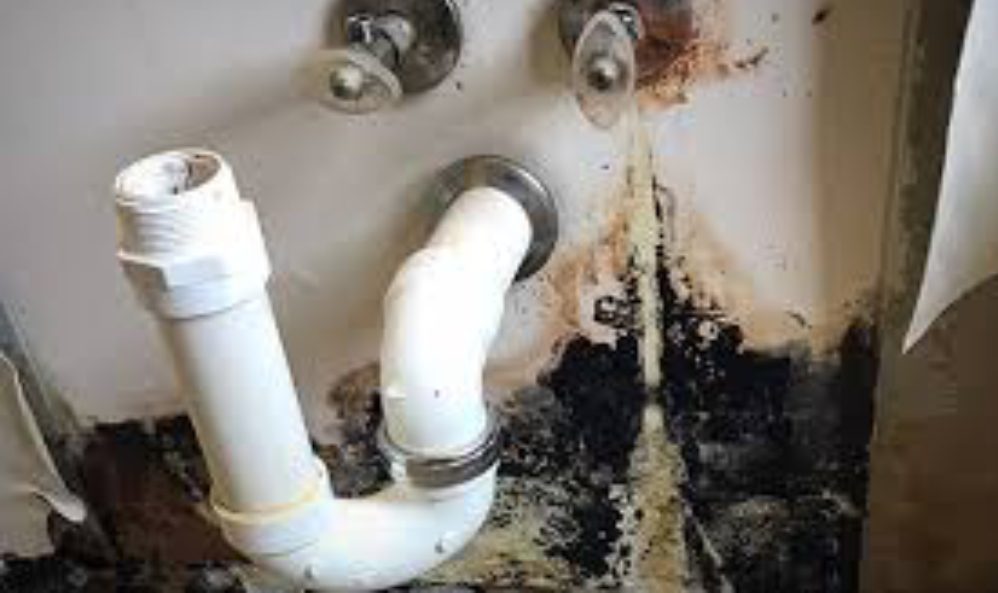
- Growth under sinks with no exterior staining
- Elevated mold levels in the air with nothing visible
In many cases, the home looks perfectly fine—until moisture readings and air samples tell a different story.
Moisture Is Always the Starting Point
Across inspections, mold almost never appears without a reason. In Lauderhill homes, the most common hidden moisture sources include:
- AC drain line backups
- Condensation around vents
- Slow plumbing leaks inside walls
- Window or sliding door seepage
- Humidity trapped in closets or behind furniture
Even small, unnoticed moisture issues can support mold growth when they linger.
HVAC Systems Are a Major Clue
Inspectors often trace hidden mold back to the AC system—even when visible mold is found elsewhere.
Common HVAC-related findings:
- Mold near air handlers or evaporator coils
- Standing water in drain pans
- Damp duct insulation feeding growth
- Odors that appear only when the AC runs
Because HVAC systems move air through the entire home, hidden mold near the system can affect multiple rooms.
Attics Tell a Story Homeowners Rarely See
Lauderhill attics are one of the most overlooked spaces—but one of the most revealing during inspections.
Inspectors often find:
- Mold on roof decking from trapped humidity
- Poor ventilation causing condensation
- Minor roof leaks that never reached ceilings below
By the time ceiling stains show up indoors, attic mold is often already established.
Kitchens and Bathrooms Hide More Than They Show
Yes, mold shows up in kitchens and bathrooms—but inspections reveal it’s usually not about cleanliness.
Hidden growth is commonly found:
- Under sinks from slow leaks
- Behind cabinets where airflow is limited
- Above bathroom ceilings due to poor exhaust ventilation
Repeated cleaning without fixing leaks or ventilation usually allows mold to keep growing out of sight.
Why Homeowners Don’t Notice Hidden Mold Right Away
Inspection reports consistently show mold has been present longer than homeowners expect.
It’s missed because:
- Odors come and go
- Growth stays concealed
- Symptoms feel like allergies
- Damage looks cosmetic at first
By the time mold becomes visible, inspectors often find it has already spread beyond one area.
What Inspectors Focus On (That Homeowners Usually Don’t)
Professional inspections go far beyond what’s visible.
Inspectors rely on:
- Moisture meters to find damp materials
- Thermal imaging to locate hidden moisture
- Air sampling to compare indoor vs outdoor mold levels
- Patterns across rooms and systems
The goal is understanding why mold is present, not just where it’s seen.
Patterns That Signal Bigger Hidden Problems
Certain findings immediately raise concern during Lauderhill inspections:
- Mold appearing in more than one room
- Musty odors tied to AC operation
- Moisture with no obvious source
- Past water damage with no follow-up testing
These patterns often indicate hidden mold is spreading—or likely to.
What This Means for Lauderhill Homeowners
The biggest takeaway from real inspections is simple: hidden mold is common, but manageable when found early.
Homes inspected early usually needed:
- Moisture repairs
- Targeted cleanup
- Improved ventilation
Homes inspected late often required:
- Material removal
- HVAC-related remediation
- Longer, more expensive recovery
Timing—not panic—makes the difference.
Final Takeaway
What inspectors see inside Lauderhill homes tells a clear story. Mold doesn’t usually announce itself. It follows moisture, airflow, and time—and it prefers to stay hidden as long as possible.
The smartest move isn’t waiting for visible mold. It’s understanding what’s happening behind the walls, above the ceilings, and inside the systems that run your home. Catch hidden mold early, and it stays a problem you can manage—not one that takes over your house.
