
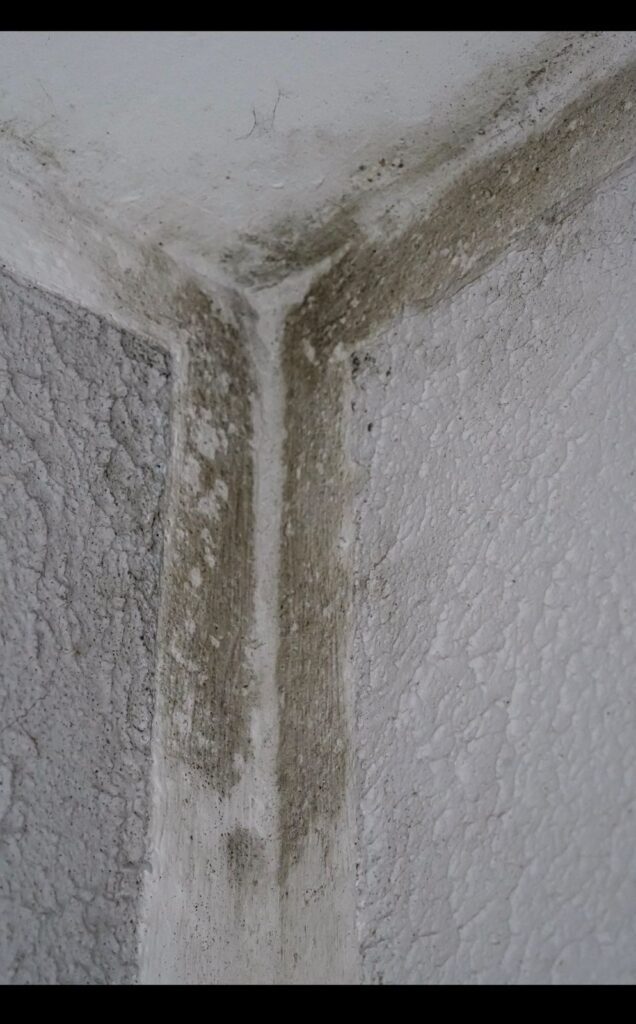
What We See Inside Homes: Hidden Mold Insights for Homes in Pembroke Pines
You’d be surprised what hides behind a perfectly painted wall.
I walk into homes in Pembroke Pines every week that look spotless. Fresh paint. Clean floors. Zero visible stains. Then I pull out a moisture meter and—boom—elevated readings behind the drywall.
Hidden mold doesn’t care how clean your home looks. It cares about moisture, airflow, and time. Let me show you what we actually see during real mold inspections in Pembroke Pines.
The Biggest Surprise? Mold Rarely Grows in Plain Sight
Homeowners expect dramatic black patches on walls. In reality, mold usually grows where nobody looks.
In Pembroke Pines homes, we commonly find hidden mold:
- Behind baseboards after minor flooding
- Under laminate or vinyl flooring
- Inside AC ducts with condensation buildup
- Behind shower tile and bathroom walls
- Inside attic insulation
You smell something musty but see nothing. Ever wonder why? Mold releases microbial gases as it grows. Those gases travel through walls and vents long before you see visible colonies.
Why Pembroke Pines Homes Create Perfect Conditions
Pembroke Pines sits right in South Florida’s humidity zone. Warm air holds moisture, and air conditioning creates constant condensation.
That combination produces:
- High indoor humidity levels
- AC drain line clogs
- Roof leaks during heavy storms
- Poor attic ventilation
- Plumbing leaks behind cabinets
Mold needs three things: moisture, organic material, and warmth. Pembroke Pines offers all three year-round.
I’ve inspected homes where a tiny pipe leak fed mold growth inside a wall cavity for months. The homeowner had no clue. That’s how quiet mold can be.
Inside the Walls: What We Detect During Mold Inspections
Moisture Comes First
When I perform a mold inspection in Pembroke Pines, I focus on moisture detection first. I don’t chase visible stains. I track water patterns.
I use:
- Moisture meters
- Thermal imaging cameras
- Hygrometers
- Visual inspection tools
Moisture tells the real story.
Drywall absorbs water quickly. Once moisture stays trapped, mold roots grow into porous materials. Surface cleaning won’t touch that hidden growth.
HVAC Systems: The Mold Highway
Your AC system moves air through every room. If ducts contain condensation or dust buildup, mold spreads easily.
We often find:
- Mold inside supply vents
- Condensation around air handlers
- Insulation damage near duct lines
- Clogged AC drain pans
IMO, HVAC systems cause more hidden mold problems than homeowners realize.
You run your AC daily. If moisture builds up inside the system, spores circulate through the entire house. That’s why duct inspection plays a huge role in mold assessments.
Bathrooms: The Sneakiest Mold Zone
Bathrooms in Pembroke Pines homes create prime mold environments.
Hot showers produce steam. Steam turns into condensation. Condensation feeds mold.
We frequently uncover hidden mold:
- Behind shower walls
- Under vanities
- Inside ceiling cavities
- Around exhaust fan housings
Homeowners often wipe visible mildew and think they solved the issue. The real growth often hides behind tile and drywall.
FYI, if your bathroom mirror fogs up heavily and lingers, you likely have ventilation problems.
Attics: Where Heat Meets Humidity
Attics in South Florida trap hot, moist air. If ventilation stays weak, moisture accumulates under roof decking.
During attic mold inspections in Pembroke Pines, we look for:
- Dark staining on wood framing
- Insulation compression
- Poor airflow pathways
- Roof leak evidence
Even small roof leaks allow slow, steady moisture intrusion. Mold thrives quietly above your ceiling.
Ever climb into your attic after a heavy storm? Most people don’t. Mold counts on that.
Flooring: The Hidden Mold Trap
Water damage under flooring creates one of the most expensive mold problems.
We uncover hidden mold beneath:
- Laminate planks
- Engineered wood
- Carpet padding
- Baseboard edges
Flooding from hurricanes or plumbing leaks pushes water under flooring materials. Even if the surface dries, trapped moisture remains below.
That’s when we see microbial growth spreading across subfloor materials. By the time homeowners notice warping, mold has already established colonies.
Signs You Might Have Hidden Mold
You don’t need visible black spots to suspect mold. Watch for subtle indicators.
Common warning signs include:
- Persistent musty odors
- Allergy flare-ups indoors
- Unexplained respiratory irritation
- Peeling paint or bubbling drywall
- Warped flooring edges
Your home often whispers before it screams.
If you ignore those whispers, remediation becomes more complex later.
Why DIY Mold Checks Miss the Real Problem
Homeowners often grab bleach and a flashlight. I get it. You want a quick fix.
But bleach only removes surface staining. It does not penetrate porous materials deeply. Mold roots stay embedded in drywall and wood.
Professional mold inspections in Pembroke Pines identify:
- The moisture source
- The contamination spread
- The affected structural materials
- The airflow conditions
Without addressing moisture, mold always returns. Always.
Mold Removal vs. Mold Remediation: What Actually Works
Let’s clear something up.
Mold removal focuses on eliminating visible growth. It solves part of the issue.
Mold remediation controls contamination, isolates affected areas, removes damaged materials, and corrects moisture sources.
Professional remediation includes:
- Containment barriers
- Negative air pressure
- HEPA filtration
- Safe material removal
- Structural cleaning and antimicrobial treatment
Hidden mold requires full remediation, not cosmetic cleaning.
Why Early Mold Inspection Saves You Money
I’ve seen minor moisture issues turn into five-figure remediation jobs. That escalation happens fast in Pembroke Pines’ climate.
Early inspection helps you:
- Stop moisture intrusion
- Prevent structural decay
- Protect indoor air quality
- Avoid major demolition
- Preserve property value
Would you rather pay for a small fix now or a full rebuild later? The math usually makes the decision easy 🙂
What I Tell Every Pembroke Pines Homeowner
You can’t control Florida’s humidity. You can control how your home handles it.
I recommend:
- Monitoring indoor humidity below 60%
- Servicing your HVAC system yearly
- Cleaning AC drain lines
- Fixing leaks immediately
- Scheduling professional mold inspections when you notice odors
Small preventive steps beat large remediation bills every time.
Final Thoughts: Hidden Mold Doesn’t Stay Hidden Forever
Mold hides inside walls, ducts, attics, and flooring. It grows quietly while you go about your daily routine.
Professional mold inspection in Pembroke Pines reveals what the eye can’t see. We track moisture patterns, airflow issues, and structural vulnerabilities. Once you identify the source, you control the outcome.
If your home smells musty or shows subtle warning signs, don’t ignore it. Hidden mold rarely fixes itself. And in South Florida’s climate, it definitely doesn’t slow down on its own.
Take action early. Your home—and your lungs—will thank you.
