
What We See Inside Homes: HVAC Mold Insights for Homes in Tamarac
When homeowners in Tamarac hear “HVAC mold,” most picture something extreme—black growth pouring out of vents or a system that’s completely shot. That’s rarely what we actually find. The real story is quieter, more predictable, and honestly more frustrating. Mold builds up slowly inside HVAC systems while everything looks fine on the outside.
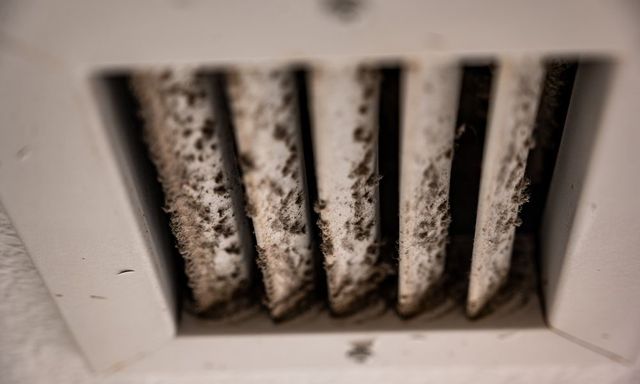
HVAC Mold Rarely Starts Where Homeowners Look
This is the first big disconnect.
Where Mold Actually Begins
In Tamarac homes, HVAC mold almost never starts at the vent. During inspections, it usually begins:
- On evaporator coils
- Inside drain pans
- On internal HVAC insulation
- Inside air handlers
By the time mold shows up at a vent, it already had time to grow deeper inside the system.
Moisture Is Always the Common Denominator
Every HVAC mold case has the same root cause.
What We Consistently Find
No matter the home size or system age, inspections almost always reveal:
- Persistent condensation
- Slow or clogged drain lines
- High indoor humidity
- Components staying damp too long
Mold doesn’t care how new the system is. If moisture sticks around, mold eventually shows up.
Evaporator Coils: Ground Zero for HVAC Mold
This component comes up constantly.
Why Coils Are a Problem Area
Evaporator coils:
- Stay cold during operation
- Pull moisture out of the air
- Collect dust and organic debris
That combination—moisture plus food—creates perfect mold conditions. In Tamarac homes, we regularly find early-stage mold growth here before homeowners notice anything wrong.
Drain Pans and Drain Lines Cause More Trouble Than Expected
Small parts, big consequences.
What Happens When Drainage Slows
When drain pans or lines don’t empty properly:
- Water pools inside the system
- Moisture never fully dries
- Mold growth accelerates
We see this even in systems that appear well maintained from the outside.
Internal Insulation Hides Mold Extremely Well
This is where mold likes to stay invisible.
Why Insulation Matters
Internal HVAC insulation:
- Absorbs moisture easily
- Dries very slowly
- Can’t be wiped clean
Once mold grows inside insulation, surface cleaning doesn’t fix it. This is one of the most common hidden issues we find during Tamarac inspections.
Why HVAC Mold Often Shows Up in Multiple Rooms
This confuses homeowners every time.
How Mold Spreads Through the System
Once mold grows inside HVAC components:
- Spores enter the airflow
- Air distributes spores through ductwork
- Spores settle in different rooms
This explains why mold sometimes appears in bedrooms, bathrooms, and living areas at the same time—even though the source is centralized.
Condensation Is the Earliest Warning Sign We See
Condensation shows up before mold becomes visible.
Where We Spot It First
In Tamarac homes, condensation often appears:
- On supply vents
- Around duct boots
- On metal HVAC components
- On refrigerant lines
Condensation means moisture is present where it shouldn’t be. Mold usually follows if nothing changes.
HVAC Mold Often Exists Without Any Smell
Smell isn’t reliable.
What Inspections Prove
Many homes with confirmed HVAC mold have:
- No musty odor
- No visible staining
- No obvious water damage
Mold can affect air quality long before it announces itself with a smell.
Newer Systems Aren’t Immune
This surprises a lot of homeowners.
What We See in Newer Tamarac Homes
Even newer HVAC systems often show:
- Condensation issues
- Poor drainage
- Mold on coils or insulation
Modern systems cool efficiently, but they don’t always dehumidify effectively—especially in South Florida’s climate.
DIY Cleaning Rarely Solves HVAC Mold
This cycle shows up constantly.
Why DIY Efforts Fail
DIY cleaning usually:
- Improves appearance
- Misses hidden components
- Leaves moisture untouched
Homeowners often think mold “came back.” In reality, it never stopped growing inside the system.
Why Duct Cleaning Alone Isn’t the Answer
This gets oversold a lot.
What Duct Cleaning Can and Can’t Do
Duct cleaning can:
- Remove dust and debris
- Improve airflow
It cannot:
- Remove mold from coils
- Fix condensation
- Correct moisture sources
We inspect many Tamarac homes where ducts were cleaned but HVAC mold continued to spread.
How HVAC Mold Affects Indoor Air Quality
People usually notice symptoms first.
Common Complaints We Hear
Homeowners often report:
- Allergy symptoms indoors
- Sinus irritation
- Headaches or fatigue
- Symptoms improving outside the home
These patterns frequently lead inspectors straight to HVAC systems.
Mold Removal vs Mold Remediation Inside HVAC Systems
This distinction matters a lot.
Why Mold Removal Alone Falls Short
Mold removal:
- Cleans visible areas
- Leaves moisture active
- Allows regrowth
Why Mold Remediation Works
Proper remediation includes:
- Containment to prevent spore spread
- HEPA air filtration
- Cleaning or replacing contaminated components
- Moisture and drainage correction
- Preventive treatments
Remediation changes the environment mold depends on.
Why HVAC Mold Keeps Coming Back in Some Homes
The pattern is consistent.
What Repeat Cases Have in Common
Homes with recurring HVAC mold almost always show:
- Ongoing humidity issues
- Incomplete moisture correction
- HVAC components not fully addressed
Mold doesn’t return randomly. Conditions stayed favorable.
Attics and Wall Cavities Help Mold Travel
HVAC systems aren’t the only pathway.
What Inspections Often Reveal
Spores also move through:
- Wall cavities
- Ceiling voids
- Attic spaces connected to ductwork
This explains why mold sometimes appears far from the HVAC unit itself.
Early Warning Signs We Don’t Ignore
Based on real inspections in Tamarac:
- Condensation on vents
- Mold returning after cleaning
- Damp smell when AC starts
- One room always feeling humid
- Health symptoms indoors
Multiple signs usually point to HVAC involvement.
Practical Advice Based on What We Actually See
No scare tactics. Just patterns.
What Helps Prevent HVAC Mold
- Control indoor humidity
- Keep drain lines clear
- Address condensation early
- Inspect HVAC systems regularly
- Fix moisture, not just visible mold
Consistency matters more than quick fixes.
When HVAC Mold Needs Immediate Attention
Don’t wait when:
- Mold appears in multiple rooms
- HVAC smells damp during operation
- Condensation persists
- Health symptoms worsen indoors
At this stage, spread is usually already happening.
Final Thoughts: HVAC Mold Follows Predictable Patterns
What we see inside homes in Tamarac proves one thing: HVAC mold isn’t random, rare, or mysterious. It follows moisture, airflow, and time. When homeowners understand that pattern, the problem becomes manageable instead of overwhelming.
