
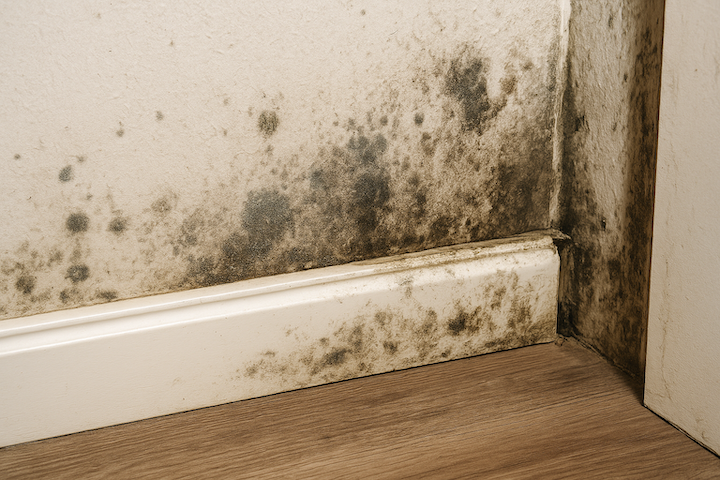

What We See Inside Homes: Mold Remediation Insights for Homes in Broward County
Most homeowners never see the full mold problem inside their own home. They see a stain, a smell, or a small patch that keeps coming back. What inspections and remediation work reveal is a very different picture. Inside Broward County homes, mold rarely stays where it’s visible. It hides, spreads, and grows quietly in places no one checks until something feels wrong. By the time remediation begins, mold has usually been active far longer than anyone realized.
Real mold remediation work removes the guesswork. It shows what’s happening behind walls, inside HVAC systems, and beneath surfaces that look perfectly fine. These insights help explain why mold problems feel confusing, why DIY fixes fail, and why proper remediation focuses on conditions, not just cleanup.
Mold Rarely Looks as Bad as It Actually Is
One of the first things we notice during remediation is the mismatch between what homeowners expect and what we find. Visible mold often represents only a fraction of the total problem.
Inside Broward County homes, remediation commonly uncovers:
- Extensive growth behind drywall
- Mold feeding on damp insulation
- Growth spreading across framing materials
What looks like a small issue on the surface often hides a much larger problem underneath.
Moisture Always Tells the Real Story
Mold Remediation Starts With Water, Not Mold
Every remediation project traces back to moisture. Mold never grows without it, even when homeowners don’t remember a leak.
Common moisture sources we see include:
- Slow plumbing leaks behind walls
- AC condensation problems
- Roof or window leaks after storms
- Long-term high indoor humidity
If moisture stays present, mold growth becomes predictable rather than surprising.
Broward County Homes Face Constant Mold Pressure
Broward County’s climate creates year-round mold risk. Warm temperatures, frequent rain, and high humidity rarely give homes a break.
During remediation, we often find:
- Materials that never fully dry
- Condensation forming repeatedly
- Humidity trapped inside walls and ceilings
These conditions allow mold to grow quietly even in well-maintained homes.
HVAC Systems Appear in Many Mold Remediation Jobs
Airflow Turns Mold Into a Whole-Home Issue
HVAC systems show up in a large number of Broward County mold remediation projects. Once mold enters the system, it doesn’t stay localized.
Common HVAC-related findings include:
- Mold inside ductwork
- Growth near evaporator coils
- Contaminated air handlers
Airflow spreads spores throughout the home, which explains why mold often appears in multiple rooms.
Mold Often Grows Long Before Anyone Smells It
Homeowners usually notice mold because of odor or visible growth. Remediation reveals that mold often existed long before those signs appeared.
We frequently find:
- Hidden growth releasing spores silently
- Mold spreading without strong odors
- Air contamination before surface damage
By the time mold becomes obvious, it has usually been active for months.
Why DIY Mold Cleanup Fails During Remediation
Many remediation jobs start after homeowners attempt DIY cleaning. The same pattern shows up again and again.
DIY efforts usually:
- Remove surface mold only
- Leave hidden growth untouched
- Push moisture deeper into materials
During remediation, we often remove materials that were repeatedly cleaned but never dried properly.
Mold Doesn’t Respect Room Boundaries
Mold doesn’t stay confined to one area. Remediation often reveals spread far beyond the original concern.
We commonly uncover mold:
- Behind walls adjacent to the original site
- Above ceilings connected by airflow
- Inside closets and closed spaces
This spread explains why mold seems to “keep coming back” in different areas.
Porous Materials Hold Mold Deep Inside
Drywall, wood, insulation, and carpeting absorb moisture easily. Once mold takes hold, it penetrates deeply.
During remediation, porous materials often show:
- Mold growth throughout the material
- Structural weakening over time
- Contamination that cleaning cannot remove
This is why remediation often involves removal, not just treatment.
Why Containment Matters During Mold Remediation
Improper removal spreads mold. Proper remediation focuses heavily on containment to prevent cross-contamination.
Effective containment:
- Prevents spores from spreading
- Protects unaffected areas
- Controls airborne contamination
Homes without containment often see mold appear in new areas after cleanup.
Mold and Indoor Air Quality Are Always Connected
Mold remediation always considers air quality, not just surfaces.
During remediation, we frequently confirm:
- Elevated airborne mold spores
- Contaminated HVAC airflow
- Poor indoor air circulation
Removing mold without addressing air movement leaves exposure ongoing.
Moisture Correction Is the Most Important Step
Removing mold without correcting moisture guarantees failure. Remediation always prioritizes moisture control.
This often includes:
- Fixing leaks
- Addressing condensation issues
- Improving airflow
- Reducing indoor humidity
Once moisture gets controlled, mold loses its ability to survive.
Why Some Homes Need More Extensive Remediation
Not all mold problems look severe, but duration matters more than appearance.
Homes requiring extensive remediation usually show:
- Long-term moisture exposure
- Hidden growth across multiple materials
- HVAC system involvement
The longer mold grows unnoticed, the more complex remediation becomes.
Broward County Homes Share Common Mold Patterns
Across Broward County, remediation reveals consistent trends.
These include:
- Mold tied to HVAC systems
- Growth linked to humidity rather than leaks
- Recurring issues in the same areas
Understanding these patterns helps prevent repeat problems.
Mold Remediation Is About Long-Term Results
True remediation doesn’t aim for a temporary fix. It aims to stop mold from returning.
Successful remediation includes:
- Removing contaminated materials
- Correcting moisture conditions
- Cleaning HVAC systems when needed
- Preventing future moisture buildup
When done correctly, mold problems don’t come back.
Lessons From Real Mold Remediation Projects
From real remediation work, one lesson stands above all others. Mold problems make sense once you see what’s happening inside the home.
Most homeowners don’t fail to care for their homes. They simply can’t see what mold is doing behind walls and inside systems.
What Homeowners Should Watch for Going Forward
Early awareness helps avoid major remediation later.
Warning signs include:
- Persistent musty odors
- Repeated staining or discoloration
- Ongoing humidity issues
- Allergy symptoms indoors
Catching moisture early changes everything.
Final Thoughts: Seeing Inside Changes Everything
Mold remediation reveals what surface inspections miss. In Broward County homes, real remediation shows that mold grows quietly, spreads through airflow, and feeds on moisture that often goes unnoticed.
Once homeowners understand what’s happening inside their walls, ceilings, and HVAC systems, mold stops feeling mysterious. It becomes a problem with a clear cause and a clear solution.
The most important takeaway is simple and practical:
When you fix the conditions inside the home, mold loses its place to grow.
