
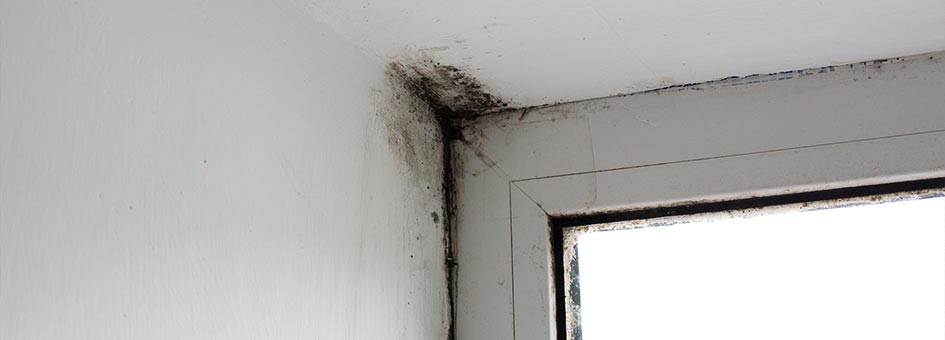
What We See Inside Homes: Mold Testing Insights for Homes in Hollywood
Mold testing usually doesn’t start with panic. It starts with confusion. The house looks clean, but something feels off. Odors come and go. Allergies flare up indoors. A past leak nags at the back of your mind. Real mold testing inside homes across Hollywood shows one clear truth: what’s happening in the air often tells a very different story than what’s visible on the surface.
This isn’t about scare tactics or dramatic lab reports. It’s about understanding what mold testing actually reveals inside real homes—and why it often surprises people.
Why Homeowners Turn to Mold Testing in the First Place
Most people don’t order mold testing because they see mold. They do it because something doesn’t add up.
Common reasons homeowners request testing include:
- Persistent musty odors
- Allergy symptoms indoors
- Concerns after water damage
- Mold that keeps returning
- Buying or selling a home
- Peace of mind when nothing looks wrong
Ever think, “I just want to know what’s really going on”? That’s exactly where testing helps.
What Mold Testing Actually Measures (And What It Doesn’t)
Mold Testing Looks at Air and Environment, Not Just Surfaces
Mold testing doesn’t magically “find mold.” It measures what’s present in the air and compares patterns.
Testing typically evaluates:
- Airborne mold spore levels
- Types of mold present
- Indoor vs outdoor comparisons
- Patterns tied to airflow and moisture
It does not diagnose health issues or replace inspections. It supports them.
Why Hollywood Homes Often Show Elevated Indoor Levels
Hollywood homes deal with conditions that push mold spores into the air more easily.
Local factors include:
- High year-round humidity
- Heavy AC usage
- Condensation inside HVAC systems
- Storm-related moisture
- Limited natural ventilation
Even small moisture issues can raise indoor spore levels quickly here.
The Biggest Surprise: Mold Without Visible Growth
This catches homeowners off guard constantly.
Mold testing often shows elevated levels when:
- No mold is visible
- Walls look clean
- Floors feel dry
- No strong odors exist
Hidden mold doesn’t need to show itself to affect indoor air quality.
How HVAC Systems Influence Mold Testing Results
Airflow Tells the Story
HVAC systems shape mold test results more than most people expect.
Testing often reveals:
- Even spore distribution across rooms
- Higher levels near vents
- Spikes during cooling cycles
- Air handler involvement
When results look “whole-house,” HVAC systems usually explain why.
What Mold Testing Shows After Past Water Damage
Homeowners often say, “That leak was fixed months ago.” Testing sometimes disagrees.
Post-water-damage testing often reveals:
- Elevated indoor spore counts
- Moisture-related mold types
- Hidden growth behind repaired areas
- Lingering air quality issues
Water damage doesn’t always end when surfaces dry.
Why Testing Alone Doesn’t Tell the Whole Story
Context Matters More Than Numbers
A mold report without context causes stress fast.
Experienced professionals always interpret results alongside:
- Moisture findings
- Inspection observations
- HVAC conditions
- Building history
IMO, numbers only matter when they match what’s happening in the home.
Common Mold Types Seen in Hollywood Homes
While specifics vary, testing in Hollywood homes often detects:
- Humidity-loving mold types
- Mold associated with condensation
- Spores common in HVAC-related cases
The key insight isn’t the name—it’s what conditions allowed them indoors.
Why Outdoor Air Comparison Is Critical
Outdoor air always contains mold. That’s normal.
Testing makes sense only when:
- Indoor levels exceed outdoor levels
- Indoor mold types differ from outdoor samples
- Patterns point to indoor amplification
Without outdoor comparison, results lose meaning.
When Mold Testing Adds the Most Value
Mold testing works best when used strategically.
It’s most helpful when:
- Symptoms persist without visible mold
- Hidden mold is suspected
- HVAC involvement seems likely
- Verification after remediation is needed
- Documentation is required for transactions
Testing doesn’t replace inspections—it sharpens them.
What We Often See After DIY Mold Cleaning
Testing after DIY cleaning often explains why frustration continues.
Common findings include:
- Reduced surface mold but elevated air levels
- Spore spread from cleaning
- Hidden growth still active
- HVAC contamination
Cleaning without containment often makes air quality worse, not better.
Why Mold Testing Often Leads to Moisture Discovery
Mold testing frequently sends inspections back to moisture sources.
Follow-up investigations often uncover:
- Condensation problems
- Clogged AC drains
- Slow plumbing leaks
- Humidity control issues
Testing points to where to look next.
What “Normal” Mold Test Results Really Mean
A “normal” result doesn’t mean zero mold. It means:
- Indoor levels align with outdoor levels
- No indoor amplification detected
- Air quality appears balanced
That outcome often brings peace of mind—and stops unnecessary work.
Why Mold Testing After Remediation Matters
Post-remediation testing helps confirm results.
It’s often used to:
- Verify airborne mold reduction
- Confirm HVAC cleaning effectiveness
- Document project success
- Support property transactions
Verification closes the loop.
Mistakes Homeowners Make With Mold Testing
Real-world patterns show common missteps:
- Testing without inspection
- Panicking over mold names
- Ignoring moisture context
- Relying on one sample
- Skipping follow-up
Testing works best as part of a process.
Practical Takeaways for Hollywood Homeowners
You don’t need fear—you need clarity.
Smart testing-related steps include:
- Pair testing with inspection
- Address moisture first
- Understand airflow patterns
- Use results to guide decisions
- Verify after remediation
Information beats guesswork every time.
Why Hollywood Homes Benefit From Informed Mold Testing
Homes here face:
- Persistent humidity
- Heavy AC usage
- Condensation-prone systems
- Storm-related moisture risks
Smart testing helps homeowners act early instead of react late.
Final Thoughts: Mold Testing Reveals What Eyes Can’t See
Mold testing doesn’t exist to scare homeowners—it exists to explain what’s happening in the air. Real homes in Hollywood show that air quality often tells the story long before mold becomes visible or expensive.
When homeowners use mold testing the right way—paired with inspections and moisture control—it brings clarity, not confusion. And clarity is what actually leads to better decisions, healthier homes, and fewer surprises down the road 🙂
