
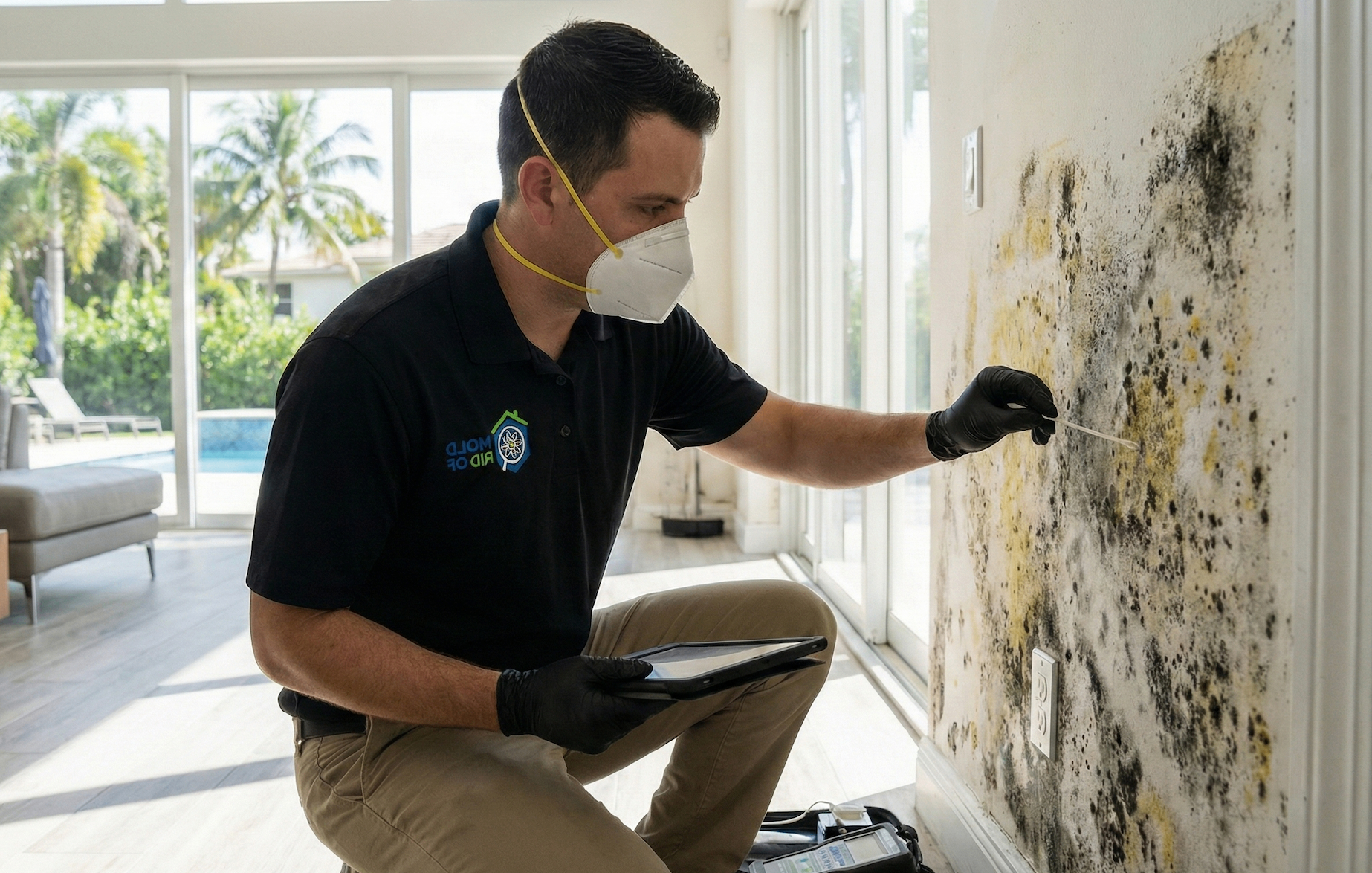
What We See Inside Homes: Mold Testing Insights for Homes in Pembroke Pines
Mold testing sounds straightforward—take a sample, get a result, problem solved. But after real inspections inside homes across Pembroke Pines, what we actually see is more nuanced. Mold testing can be extremely helpful, but only when it’s used with context and realistic expectations.
Mold Testing Rarely Tells the Whole Story by Itself
One of the biggest misconceptions is treating mold testing as a standalone answer.
Inside homes we inspect, mold testing works best when it:
- Supports visible inspection findings
- Helps confirm suspected hidden growth
- Documents conditions for real estate or insurance
- Compares indoor air to outdoor conditions
Testing without inspection often creates confusion instead of clarity.
“Normal” Results Don’t Always Mean “No Mold”
This is one of the most common surprises for homeowners.
We often see:
- Normal air samples even when hidden mold exists
- Mold sealed behind drywall that hasn’t gone airborne yet
- Lower spore counts after recent cleaning or painting
Air testing captures a moment in time—not everything growing behind walls or ceilings.
Air Samples vs Surface Samples: What We See Misunderstood
Different tests answer different questions.
From real inspections:
- Air testing shows what’s airborne right now
- Surface testing confirms growth on a specific material
Neither test explains why mold is present—that answer almost always comes from moisture readings.
Moisture Data Explains the Test Results
Inside Pembroke Pines homes, moisture readings often matter more than lab numbers.
Inspectors rely heavily on:
- Moisture meters inside walls and ceilings
- Condensation checks near AC systems
- Humidity readings in rooms with repeat issues
When moisture is elevated, mold behavior makes sense—even if test results look mild.
HVAC Systems Strongly Influence Mold Test Results
What we see inside HVAC systems often explains confusing test outcomes.
Common findings include:
- Mold inside air handlers or drain pans
- Moisture buildup around evaporator coils
- Ductwork redistributing spores through airflow
Depending on system operation, test results can vary widely from day to day.
When Mold Testing Adds Real Value
From real inspections, mold testing is most helpful when:
- There’s a musty odor with no visible mold
- Mold keeps returning after cleaning
- Water damage occurred in the past
- Buying or selling a home
- Documentation is required
In these situations, testing helps guide next steps instead of guessing.
When Mold Testing Often Isn’t Necessary
We also see situations where testing doesn’t change the outcome.
Testing may be skipped when:
- Visible mold is already confirmed
- Moisture problems are obvious
- Remediation is clearly needed regardless of results
Fixing moisture and contaminated materials matters more than lab confirmation.
Why Pembroke Pines Homes See These Patterns
Local conditions play a big role in how mold behaves:
- High indoor humidity most of the year
- AC systems running nearly nonstop
- Condensation inside walls and HVAC systems
- Poor airflow in closets and spare rooms
These factors explain why hidden mold and confusing test results are so common.
What We Learn From Inside Real Homes
The biggest takeaway from real inspections in Pembroke Pines is simple:
Mold testing is a tool—not a verdict.
When used alongside inspection and moisture evaluation, it provides useful information and direction. When used alone, it often raises more questions than answers.
Final Takeaway
What we see inside real Pembroke Pines homes proves one thing again and again: mold testing works best when it’s part of a bigger picture. Moisture control, inspection findings, and building conditions matter far more than any single lab result.
Used correctly, mold testing replaces assumptions with insight—and that’s where smarter, calmer decisions begin.
