
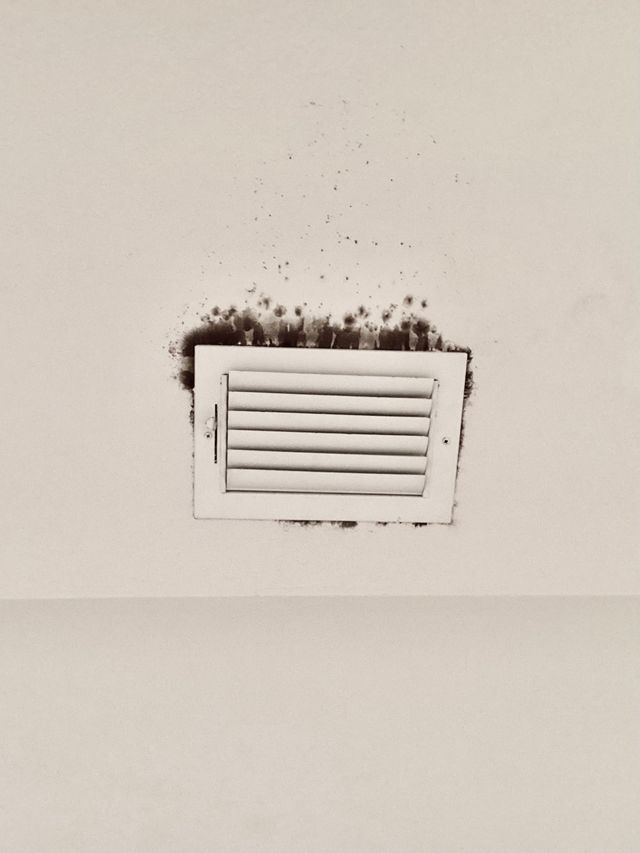
Why Ignoring It Costs More: Hidden Mold Insights for Homes in Florida
Hidden mold is expensive precisely because it’s easy to ignore. Florida homeowners rarely dismiss mold on purpose. They dismiss the possibility of it. The walls look clean. The floors feel dry. The AC runs fine. So whatever feels off gets pushed to the side until it becomes impossible to ignore—and painfully expensive to fix.
What inspections across Florida homes consistently show is this: hidden mold doesn’t announce itself early, but it absolutely sends the bill later. This article breaks down where hidden mold actually forms, why Florida homes are especially vulnerable, and how waiting almost always multiplies cost, damage, and disruption.
Hidden Mold Is a Florida-Specific Problem
Climate changes the rules here.
Why Florida Homes Are High Risk
Homes across Florida deal with:
- High year-round humidity
- Warm indoor temperatures
- Heavy air conditioning use
- Slower natural drying
Mold spores already exist everywhere. Florida’s climate doesn’t create mold—it keeps moisture around long enough for mold to grow quietly behind surfaces.
Hidden Mold Rarely Starts Where You Can See It
Visible mold is usually late-stage mold.
Where Hidden Mold Commonly Grows
Based on inspections throughout Florida, hidden mold often develops:
- Behind drywall
- Inside wall cavities
- Under flooring
- Inside HVAC systems
- Above ceilings and in attics
By the time mold becomes visible, growth behind surfaces often spread far beyond the first spot homeowners notice.
Why Homeowners Miss Hidden Mold Early
This happens even in well-maintained homes.
The Most Common Assumptions
Homeowners often assume:
- “There’s no smell, so it’s fine”
- “The leak was fixed months ago”
- “We would see it if mold was there”
Unfortunately, hidden mold doesn’t rely on smell or visibility. It relies on moisture staying trapped where people don’t look.
Moisture Is the Real Cost Multiplier
Mold isn’t the enemy. Moisture is.
What Inspections Reveal Every Time
In Florida homes with hidden mold, inspectors almost always find:
- Elevated moisture inside walls
- Damp insulation
- Condensation around HVAC components
- High indoor humidity
As long as moisture stays active, hidden mold continues growing—even if everything looks dry on the surface.
HVAC Systems Turn Hidden Mold Into a Whole-House Problem
This is where costs rise fast.
What We See Inside HVAC Systems
In many Florida homes, hidden mold reaches:
- Evaporator coils
- Drain pans
- Internal insulation
- Air handlers
Once mold enters the HVAC system, spores circulate throughout the home. A hidden issue becomes widespread exposure, increasing remediation scope and cost significantly.
Attics Quietly Drive Hidden Mold Spread
Attics don’t get enough attention.
Common Attic Conditions Across Florida
Inspections frequently reveal:
- Condensation on roof decking
- Damp insulation
- Mold near exhaust fans
Warm, humid air rises and gets trapped. Over time, attic mold spreads downward into ceilings and walls, expanding the hidden damage.
Why Ignoring Hidden Mold Always Gets More Expensive
This pattern shows up without exception.
What Happens When Mold Is Ignored
Delays allow:
- Mold to grow deeper into materials
- More areas to become contaminated
- HVAC systems to become involved
What could have been limited remediation often turns into drywall removal, insulation replacement, flooring removal, and HVAC remediation. Time always multiplies cost.
Health Costs Add Up Alongside Repair Costs
Damage isn’t just structural.
Symptoms Homeowners Often Report First
In Florida homes with hidden mold, homeowners frequently experience:
- Allergy symptoms indoors
- Chronic congestion
- Headaches or fatigue
- Symptoms improving outside the home
These health complaints often appear long before mold becomes visible, but they’re easy to dismiss until exposure continues too long.
Why DIY Cleanup Makes Hidden Mold More Expensive
This mistake shows up constantly.
What Happens After DIY Attempts
Homes with prior DIY cleanup often show:
- Mold spread beyond the original area
- Higher airborne spore levels
- Hidden growth untouched
Surface cleaning doesn’t reach mold inside walls or systems. It delays real correction and increases final remediation costs.
Mold Removal vs Mold Remediation: Cost Difference Matters
These terms are not interchangeable.
Why Mold Removal Alone Costs More Long-Term
Mold removal:
- Cleans visible areas
- Misses hidden growth
- Ignores moisture
Why Mold Remediation Controls Cost
Proper remediation includes:
- Containment to prevent spore spread
- HEPA air filtration
- Removal of contaminated materials
- Moisture correction
- Preventive treatments
Remediation addresses causes, not just symptoms, reducing recurrence and repeat costs.
Why Florida Homes Can’t “Wait and See”
Florida punishes delay.
Climate Accelerates Mold Growth
Because of:
- Persistent humidity
- Slow drying
- Constant AC use
Hidden mold spreads faster here than in dry climates. Waiting rarely stabilizes the situation—it almost always worsens it.
Early Inspection Is the Cheapest Step
Inspection costs less than guessing.
What Inspection Prevents
A proper inspection helps homeowners avoid:
- Over-demolition
- Under-treatment
- Repeat remediation
- Ongoing exposure
Inspection identifies hidden mold, moisture sources, and HVAC involvement before damage escalates.
Mold Testing: When It Helps Control Cost
Testing isn’t always required, but it has value.
When Testing Makes Sense
Testing supports inspection when:
- Symptoms exist without visible mold
- HVAC contamination seems likely
- Documentation is needed
Testing confirms exposure. Inspection explains what needs fixing.
Warning Signs Hidden Mold Is Already Active
Based on real Florida inspections:
- Mold keeps returning after cleaning
- Musty odors that come and go
- Condensation on vents or windows
- Stains slowly spreading
- Health symptoms worsening indoors
Multiple signs usually mean hidden mold already exists.
Practical Steps That Keep Costs Down
You don’t need fear. You need timing.
Smart Florida Homeowner Actions
- Address moisture early
- Monitor indoor humidity
- Don’t ignore condensation
- Include HVAC systems in evaluations
- Schedule inspections sooner, not later
Each step limits how expensive hidden mold becomes.
When Immediate Action Saves the Most Money
Act quickly when:
- Mold appears in multiple areas
- HVAC systems smell musty
- Moisture lasts more than 24–48 hours
- Health symptoms worsen indoors
At this stage, delay almost always increases cost.
Final Thoughts: Hidden Mold Is Expensive Because It’s Quiet
Hidden mold in Florida homes doesn’t get expensive overnight. It gets expensive because it’s easy to ignore early. By the time mold becomes visible, it already had time to spread where homeowners couldn’t see it.
Inspect early. Control moisture. Fix causes, not just stains. When homeowners treat hidden mold seriously from the start, costs stay manageable—and the home stays healthier long before damage gets out of hand.
