
Why Ignoring It Costs More: Hidden Mold Insights for Homes in North Lauderdale
Hidden mold doesn’t kick down the door and announce itself. It waits. It grows quietly behind walls, under floors, and inside systems homeowners rarely think about—until the bill shows up. The most expensive mold jobs almost always started as small, easy-to-ignore moisture problems that felt harmless at the time. If mold damage feels like it appeared out of nowhere, chances are it didn’t. It was just hiding long enough to get costly.
Why Hidden Mold Is So Common in North Lauderdale Homes
North Lauderdale homes stay closed up tight to keep cool air in and humidity out. Ironically, that comfort setup helps hidden mold thrive.
Hidden mold shows up so often because:
- Humidity stays high year-round
- AC systems run almost nonstop
- Condensation forms regularly
- Natural ventilation stays limited
- Moisture dries slowly behind surfaces
Ever think, “The house looks fine, so we’re good”? Inspectors hear that right before opening walls.
What Makes Hidden Mold So Expensive
It Grows Where You Can’t See It
Hidden mold spreads inside materials long before it ever shows on the surface. By the time homeowners notice something is wrong, mold usually affects a larger area.
Hidden mold becomes expensive because:
- Drywall absorbs moisture internally
- Insulation stays damp
- Wood framing holds moisture
- Mold spreads quietly across materials
Surface mold feels manageable. Hidden mold rarely is.
Moisture: The Real Reason Costs Spiral
Hidden mold doesn’t exist without moisture. Every inspection eventually traces back to water that never fully dried.
In North Lauderdale homes, inspectors most often trace hidden mold to:
- AC condensation
- Clogged drain lines
- Slow plumbing leaks
- Roof leaks after storms
- Window or door intrusion
- High indoor humidity
IMO, condensation causes more hidden mold than major leaks because it happens daily and rarely gets noticed.
Why Small Moisture Problems Become Big Mold Jobs
Small leaks don’t stay small when humidity stays high.
Here’s how it usually plays out:
- Moisture begins
- Materials absorb water
- Drying stalls
- Mold starts growing internally
- Odors or symptoms appear
- Damage spreads quietly
By the time visible mold appears, removal almost always costs more.
Where Inspectors Find Hidden Mold Most Often
Real inspections in North Lauderdale uncover the same hidden mold locations again and again.
Behind Drywall
Drywall hides moisture perfectly. Walls look clean while mold grows unseen behind them.
Under Flooring
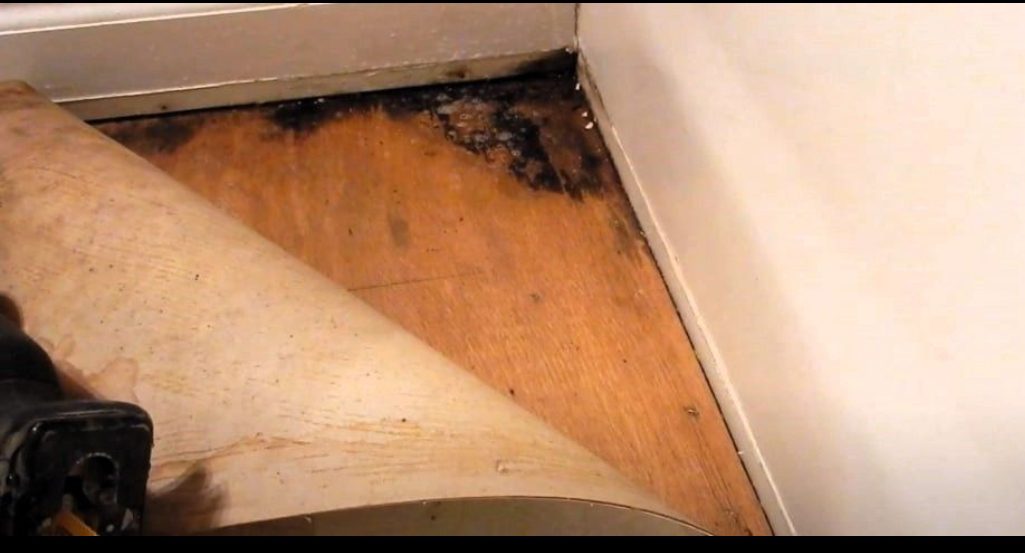
Tile, vinyl, and laminate trap moisture underneath. Floors look fine while subfloors stay damp and contaminated.
Inside AC Closets
Air handlers create condensation. When drainage or airflow falls short, mold grows inside the closet and spreads through the HVAC system.
Behind Baseboards and Cabinets
Leaks and condensation often start here, well before stains show up.
FYI, visible mold usually represents only a small part of total contamination.
HVAC Systems Turn Hidden Mold Into Whole-House Problems
Airflow Does the Damage Fast
Once mold grows anywhere near HVAC components, airflow distributes spores everywhere.
Inspections frequently connect hidden mold to:
- Musty odors traveling through rooms
- Growth appearing far from the original moisture
- Dust returning quickly
- Indoor air quality complaints
Ignoring HVAC involvement almost always increases remediation scope and cost.
Why Odors Appear Before Visible Mold
Musty smells usually show up early—long before visible growth.
Odors indicate:
- Active moisture
- Hidden microbial growth
- Damp materials releasing byproducts
If smells come and go with AC cycles, hidden mold deserves immediate attention.
Why DIY Cleaning Makes Hidden Mold More Expensive
DIY efforts focus on what homeowners can see. Hidden mold doesn’t live there.
DIY attempts fail because:
- Hidden growth stays active
- Moisture sources remain
- No containment spreads spores
- HVAC systems stay untreated
Scrubbing visible spots often spreads spores and increases damage elsewhere.
Painting Over Hidden Mold: The Fastest Way to Raise Costs
Painting feels like a solution. Mold treats it like a moisture trap.
Painting over hidden mold:
- Seals moisture inside materials
- Accelerates internal growth
- Delays proper remediation
- Expands the affected area
Inspectors routinely find worse damage behind freshly painted walls.
Why Hidden Mold Rarely Stays Isolated
Hidden mold almost never affects just one spot.
Real inspections often reveal:
- Multiple moisture sources
- Widespread hidden growth
- HVAC contamination
- Elevated airborne mold levels
Once mold spreads, remediation expands—and so does the cost.
How Ignoring Early Signs Drives Costs Up
Early warning signs rarely look dramatic, which makes them easy to dismiss.
Common signs homeowners ignore include:
- Recurring musty odors
- Humidity that feels heavy
- Condensation near vents
- Allergy symptoms indoors
- Stains that return after cleaning
- Rooms that never feel dry
Every ignored sign adds time—and cost.
What Inspections Reveal After Delayed Action
Homeowners often feel shocked during remediation, but inspectors aren’t surprised.
Delayed cases usually reveal:
- Wet insulation
- Mold behind multiple walls
- Contaminated HVAC systems
- Structural material damage
- Longer remediation timelines
That shock usually comes from how long the problem stayed hidden.
Why Early Inspections Cost Less in the Long Run
Inspection data shows a clear pattern:
- Early detection limits spread
- Materials recover more easily
- HVAC systems stay cleaner
- Remediation stays localized
- Costs remain manageable
Waiting almost always multiplies the repair scope.
What Actually Stops Hidden Mold From Coming Back
Hidden mold stops when conditions change—not when surfaces look better.
Effective solutions include:
- Identifying and fixing moisture sources
- Removing contaminated materials
- Controlling indoor humidity
- Addressing HVAC involvement
- Using proper containment
- Verifying conditions afterward
It’s a process, not a shortcut.
Practical Steps North Lauderdale Homeowners Can Take Now
You don’t need panic—just awareness and timing.
Smart steps include:
- Monitoring indoor humidity
- Watching for condensation
- Checking AC drainage regularly
- Investigating musty odors early
- Scheduling inspections after leaks or storms
- Avoiding surface-only mold cleaning
Early steps save money and stress.
Why North Lauderdale Homes Benefit From Proactive Inspections
Homes here deal with:
- Persistent humidity
- Heavy AC usage
- Condensation-prone systems
- Storm-related moisture intrusion
- Limited drying time
Proactive inspections catch hidden mold before it spreads beyond control.
Final Thoughts: Hidden Mold Gets Expensive When It Gets Ignored
Hidden mold doesn’t cost more because it’s aggressive—it costs more because it stays unnoticed. Homes in North Lauderdale show that the most expensive mold projects almost always started as small moisture problems that felt easy to ignore.
Pay attention early, fix moisture fast, and don’t wait for visible damage to make the decision for you. When hidden mold gets addressed early, costs stay reasonable—and your home stays what it’s supposed to be: comfortable, healthy, and low-drama.
