
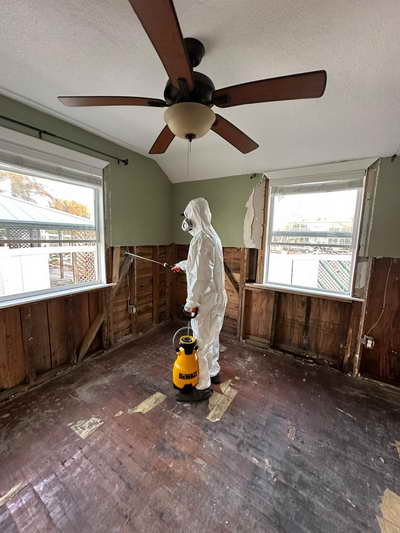
Why Ignoring It Costs More: Mold Remediation Insights for Homes in Weston
Mold problems don’t usually explode overnight. In Weston homes, they creep in quietly, hang out behind walls, and rack up a bill while homeowners assume things will “probably dry out.” That assumption is where costs start climbing. By the time mold finally demands attention, the fix often looks nothing like what it would have cost early on.
What we see during real mold remediation projects tells a consistent story. Mold remediation gets expensive when homeowners wait—not because mold is rare or extreme, but because moisture had time to spread. This article breaks down why ignoring mold issues in Weston homes costs more, what inspections reveal after delays, and how early action keeps remediation contained and affordable.
Mold Doesn’t Get Expensive—Time Does
This is the first misconception to clear up.
Why Timing Matters More Than Mold Size
Small mold problems stay small only when:
- Moisture gets corrected quickly
- Growth gets contained early
- HVAC systems stay clean
In Weston homes, mold spreads faster because humidity stays high and drying slows down. Every week of delay usually expands the affected area.
Why Weston Homes Are Especially Vulnerable
Location quietly changes everything.
Local Conditions That Increase Risk
Homes in Weston deal with:
- Persistent humidity
- Heavy air conditioning use
- Tightly sealed construction
- Limited natural airflow
These factors allow moisture to linger behind walls and inside systems far longer than homeowners expect.
What Inspectors Find When Mold Is Ignored
The damage usually extends beyond the obvious.
Common Findings in Delayed Cases
When homeowners wait, inspections often uncover:
- Mold behind drywall
- Damp insulation
- Mold inside HVAC systems
- Attic contamination
- Spread into multiple rooms
What started as one area often becomes a whole-house remediation issue.
Moisture Is the Real Cost Driver
Mold follows moisture every time.
Why Moisture Control Changes Cost
In ignored cases, inspectors consistently find:
- Active condensation
- Elevated moisture in walls
- Poor HVAC drainage
- High indoor humidity
As long as moisture stays active, mold keeps growing—and remediation scope keeps expanding.
HVAC Systems Turn Small Mold Issues Into Big Ones
This is where costs jump sharply.
What We See Inside HVAC Systems
In Weston homes with delayed remediation, HVAC inspections often reveal:
- Mold on evaporator coils
- Standing water in drain pans
- Damp internal insulation
- Mold inside air handlers
Once mold reaches the HVAC system, spores circulate throughout the home. Remediation now has to address more than one location.
Why DIY Cleanup Increases Final Remediation Cost
This mistake shows up constantly.
What DIY Efforts Usually Miss
DIY cleaning often:
- Removes visible mold only
- Misses hidden growth
- Spreads spores
- Leaves moisture untouched
By the time professional remediation begins, mold has often spread further than it would have otherwise.
Mold Removal vs Mold Remediation: Cost Difference Matters
These terms are not interchangeable.
Why Mold Removal Alone Costs More Long-Term
Mold removal:
- Cleans surfaces
- Leaves moisture active
- Allows regrowth
Why Mold Remediation Saves Money
Proper remediation includes:
- Containment to prevent spore spread
- HEPA air filtration
- Removal of contaminated materials
- Moisture correction
- Preventive treatments
Remediation fixes the cause, not just the symptom.
Attics Quietly Multiply Mold Costs
Attics rarely get checked early.
What Inspectors Find in Weston Attics
In delayed cases, attics often show:
- Condensation on roof decking
- Damp insulation
- Mold near exhaust vents
Warm, humid air rises and gets trapped. Over time, attic mold spreads downward into ceilings and walls, expanding remediation scope.
Why Mold Rarely Stays in One Room
This surprises many homeowners.
How Mold Spreads Inside Homes
Mold spreads through:
- Airflow
- HVAC systems
- Shared wall cavities
- Moisture migration
Ignoring mold in one room often leads to remediation in several others later.
Health Costs Increase Along With Repair Costs
Property damage isn’t the only expense.
Symptoms Homeowners Often Report Late
In Weston homes where mold was ignored, homeowners frequently experience:
- Allergy symptoms indoors
- Headaches or fatigue
- Respiratory irritation
- Symptoms improving outside
Longer exposure increases discomfort and medical-related costs.
Why Mold Rarely Smells Early
Waiting for odor delays action.
Why Smell Is a Poor Indicator
Many homes with active mold:
- Have no strong odor
- Show no visible staining
- Feel dry to the touch
Mold often affects air quality long before it produces a noticeable smell.
Early Inspection Keeps Remediation Small
Inspection prevents guessing.
What Early Inspection Does
Early inspection:
- Identifies hidden growth
- Locates moisture sources
- Limits affected areas
- Reduces demolition
Inspection costs far less than expanded remediation later.
Mold Testing: When It Helps Control Cost
Testing isn’t always necessary, but it has value.
When Testing Makes Sense
Testing supports remediation planning when:
- Symptoms exist without visible mold
- HVAC involvement is suspected
- Documentation is required
Testing confirms exposure. Inspection explains scope.
Why “Wait and See” Fails in Weston Homes
Florida climate punishes delay.
What Happens When Homeowners Wait
Waiting often leads to:
- Structural material removal
- Insulation replacement
- HVAC remediation
- Higher labor and material costs
Mold rarely stabilizes on its own in humid environments.
Practical Steps That Save Money
You don’t need panic—you need timing.
Smart Homeowner Actions
- Address moisture immediately
- Monitor indoor humidity
- Inspect early instead of guessing
- Include HVAC systems in evaluations
- Fix causes, not just visible mold
Each step reduces remediation scope.
When Mold Remediation Shouldn’t Be Delayed
Act quickly when:
- Mold appears in multiple rooms
- Mold returns after cleaning
- Condensation persists
- HVAC smells damp
- Health symptoms worsen indoors
At this stage, ignoring it almost always increases cost.
The Cost Pattern Never Changes
Inspection data tells a clear story.
Early vs Late Action
- Early remediation = limited scope
- Delayed remediation = expanded demolition
- Ignored mold = higher long-term cost
Timing determines outcome more than severity.
Final Thoughts: Mold Gets Expensive When It Gets Time
Mold remediation in Weston homes doesn’t cost more because mold is aggressive. It costs more because moisture had time to spread and homeowners didn’t realize what was happening behind the scenes.
Inspect early. Control moisture. Treat causes, not surfaces. When homeowners act early, mold remediation stays focused and affordable. When they wait, the bill grows quietly—right along with the mold.
