
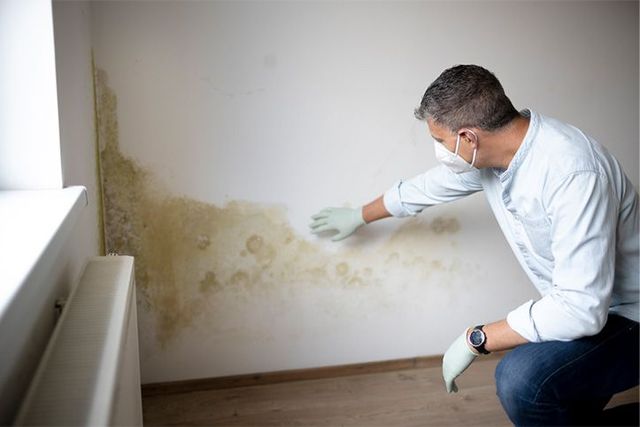
Why Ignoring It Costs More: Mold Removal Insights for Homes in South Florida
Mold removal usually gets delayed for one simple reason: nothing looks urgent yet. No dramatic stains. No collapsing drywall. No flooding story to tell. After reviewing real inspections and remediation projects across South Florida, here’s the hard truth: the most expensive mold removals almost always start with waiting.
This isn’t fear-based messaging. It’s cost-based reality. Mold removal itself isn’t what drains budgets. Ignoring the need for it—while moisture and exposure quietly spread—is what turns manageable problems into major ones.
The Costly Assumption: “If It Was Serious, I’d See It”
This assumption shows up constantly in South Florida homes.
Homeowners expect mold to announce itself visually. In reality, mold prefers:
- Hidden spaces
- Stable moisture
- Limited airflow
That means mold often grows:
- Inside HVAC systems
- Behind drywall
- Under flooring
- Inside wall cavities
By the time mold becomes visible, removal scope usually expanded well beyond a simple fix.
Visibility comes late. Costs come later.
Why South Florida Makes Waiting More Expensive
Humidity Never Gives Homes a Break
South Florida doesn’t get long dry periods. Moisture stays present most of the year.
That constant humidity:
- Slows drying inside walls
- Increases condensation
- Keeps materials damp longer
Mold doesn’t need dramatic water events here. It thrives on consistency. Waiting just gives it more time to spread.
HVAC Systems Amplify the Problem
Once mold reaches HVAC systems, exposure becomes whole-home.
Air handlers and ducts:
- Create condensation naturally
- Collect dust easily
- Distribute spores efficiently
Ignoring mold removal while HVAC systems stay involved increases both health exposure and removal complexity later.
Early Mold Removal Looks Very Different Than Late Removal
What Early Removal Usually Involves
When homeowners act early, mold removal often stays targeted.
Early-stage projects usually include:
- Small containment areas
- Limited material removal
- Faster drying times
- Minimal disruption
Costs stay controlled because mold hasn’t migrated far.
What Late Removal Usually Requires
Delayed removal almost always expands.
Late-stage projects often involve:
- Multiple rooms
- HVAC system remediation
- Duct cleaning or replacement
- Extensive drywall and insulation removal
- Longer timelines
Same home. Same moisture source. Much larger bill because of timing.
The Hidden Costs of Ignoring Mold Removal
Repeated “Temporary Fixes”
Homeowners often spend money trying to avoid removal:
- Repainting
- Re-cleaning
- Buying sprays and foggers
- Replacing small sections repeatedly
These costs add up while mold keeps spreading behind the scenes. None of these address moisture or hidden growth.
Health-Related Costs Don’t Show Up on Invoices
Long-term exposure often leads to:
- More allergy medication
- Additional doctor visits
- Missed workdays
- Reduced comfort at home
These costs don’t appear on remediation estimates, but they affect households just as much.
Why Mold Removal Gets Delayed So Often
“Let’s See If It Gets Worse”
This mindset sounds reasonable. In South Florida, it rarely works.
Mold doesn’t pause while homeowners wait. Moisture stays active daily, which allows growth to expand quietly.
By the time it “gets worse,” removal scope already changed.
Confusing Mold Removal With Panic
Some homeowners associate mold removal with extreme scenarios.
In reality, early removal often prevents extreme remediation. Waiting creates the scenarios people fear most.
HVAC Systems: Where Delays Hurt the Most
Ignoring HVAC Mold Multiplies Cost
When mold affects HVAC systems, removal becomes more complex.
Delays allow:
- Spores to spread throughout ducts
- Contamination to reach multiple rooms
- Re-infection after surface cleaning
Removing mold from walls while ignoring HVAC systems leads to repeat work. That repetition costs far more than addressing the system early.
Oversized Systems Make Delays Worse
Oversized HVAC systems short-cycle. That reduces moisture removal and increases condensation.
Homes with these systems show faster mold spread when removal gets delayed. Moisture never fully clears, and growth accelerates.
The Myth That Mold Removal “Creates” Problems
This belief costs homeowners money.
Mold removal doesn’t create damage. It reveals damage already happening.
Delaying removal:
- Allows mold to penetrate deeper into materials
- Increases demolition needs later
- Raises labor and containment requirements
Early removal often limits how much material actually needs to come out.
Why DIY Efforts Increase Final Removal Costs
DIY cleaning feels like progress. Inspection data says otherwise.
DIY approaches often:
- Remove visible mold only
- Spread spores during scrubbing
- Miss HVAC involvement
- Leave moisture untouched
By the time professionals get involved, mold spread farther and removal scope grows. The final bill reflects that delay.
What Proper Mold Removal Actually Includes
Containment Protects Clean Areas
Professional removal uses containment to prevent spread.
Containment includes:
- Physical barriers
- Negative air pressure
- HEPA filtration
Skipping containment during early DIY attempts often expands contamination and raises later costs.
Removal Means Removing, Not Just Treating
Porous materials don’t clean well.
Proper removal often requires:
- Removing affected drywall
- Replacing contaminated insulation
- Cleaning non-porous surfaces thoroughly
Wiping mold off porous materials rarely lasts. Delays only increase how much needs removal.
When Mold Removal Is Truly Necessary
Removal makes sense when:
- Mold affects porous materials
- Indoor air quality shows elevated levels
- HVAC systems distribute contamination
- Occupants experience ongoing symptoms
- Moisture sources already got identified
In these cases, removal protects health and prevents further material damage.
When Waiting Costs the Most
Ignoring mold removal costs the most when:
- Moisture problems stay unresolved
- HVAC systems stay contaminated
- Odors and symptoms repeat
- Repairs happen in the same areas
At that point, homeowners often say, “We should have done this sooner.” The bill usually agrees.
South Florida Inspection Patterns Don’t Lie
Across inspections, the same pattern keeps repeating.
Homes that:
- Remove mold early
- Address moisture at the same time
- Include HVAC systems in the plan
spend less long-term.
Homes that:
- Delay removal
- Rely on cleaning and paint
- Ignore airflow and humidity
almost always pay more later.
The difference isn’t severity. It’s timing.
Why Moisture Control and Removal Must Work Together
Mold removal without moisture control fails. Moisture control without removal stalls.
Successful outcomes combine:
- Removing contaminated materials
- Fixing moisture sources
- Maintaining HVAC systems
- Improving ventilation
Skipping any piece usually leads to repeat costs.
FYI, most repeat remediation jobs trace back to incomplete moisture correction, not poor removal work.
What Homeowners Should Ask Before Delaying
Before choosing to wait, homeowners should ask:
- Where is the moisture coming from?
- Is the HVAC system involved?
- Is mold visible only because it reached the surface?
- How much more could this spread in six months?
These questions often change the math quickly.
Lessons From Real Homes Across South Florida
After reviewing countless projects, one lesson stays consistent. Mold removal gets more expensive the longer homeowners wait, not because companies charge more, but because mold affects more.
Homes that act early rarely regret it. Homes that delay almost always do.
IMO, mold removal feels overwhelming only until homeowners realize early action usually means less work, not more.
Practical Takeaways Homeowners Can Use
Here’s the short version:
- Mold spreads quietly
- Hidden growth costs more later
- HVAC involvement multiplies damage
- DIY delays increase scope
- Early removal limits cost
That’s not sales talk. That’s inspection reality.
Final Thoughts: Ignoring It Is the Most Expensive Option
Mold removal in South Florida doesn’t get expensive because mold is scary. It gets expensive because moisture and time work together relentlessly.
When homeowners ignore early signs, mold doesn’t wait. It spreads. The cost difference between early removal and delayed removal is almost always larger than people expect, and the smartest money-saving move is usually acting sooner, not later.
