
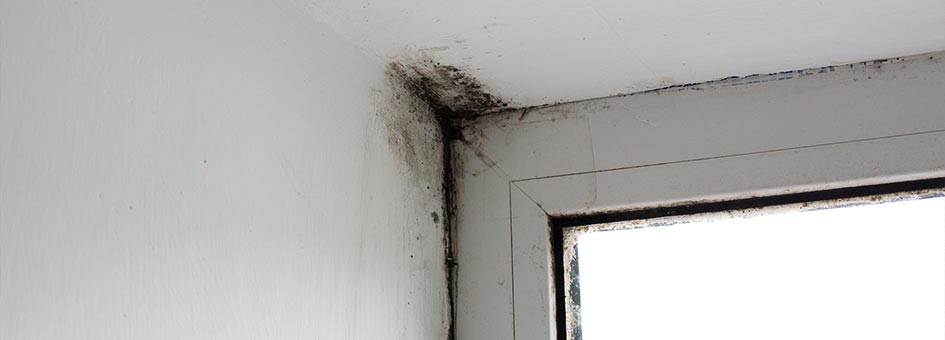
Mold problems rarely start expensive. They become expensive when nobody looks closer. In Weston, we inspect homes where a small patch, a faint odor, or a little condensation got brushed off for months. Nothing dramatic happened—until the scope doubled, HVAC systems got involved, and costs climbed fast. That’s the real lesson here: ignoring mold doesn’t make it go away, it makes it spread.
This article breaks down why ignoring mold costs more, using real mold removal insights for homes in Weston. No scare tactics. No doom-and-gloom. Just what inspections consistently show and why early action keeps money in your pocket.
Why Mold Feels Easy to Ignore in Weston Homes
Living in Weston means humidity, sealed construction, and air conditioning running most of the year. Homes often look clean and well cared for, which makes small mold signs feel manageable.
Most homeowners assume:
- It’s just surface mold
- Cleaning will handle it
- Waiting won’t change much
Inspection data shows those assumptions quietly multiply costs.
Mold Doesn’t Stay Where You See It
Here’s the first cost driver: visible mold is rarely the whole problem. What you see on a wall or vent usually represents growth that already started inside materials.
During inspections, we often find:
- Mold growing behind drywall
- Moisture inside wall cavities
- Growth under cabinets and baseboards
- Early HVAC contamination
When homeowners wait, mold expands into places that cost far more to access.
The Moisture Problem That Never Stopped
Mold doesn’t grow without moisture. Ignoring mold usually means ignoring moisture too.
In Weston homes, moisture often comes from:
- Elevated indoor humidity
- AC condensation that never fully dries
- Slow plumbing seepage
- Minor roof or window intrusion
If moisture stays active, mold keeps growing whether you clean it or not.
Why DIY Cleaning Feels Cheaper—At First
DIY cleaning looks like savings on paper. In reality, it often delays the inevitable.
DIY efforts usually:
- Remove surface discoloration
- Leave moisture untouched
- Miss hidden growth
- Allow mold to rebound
We frequently remediate homes where the cost doubled because DIY cleaning bought time for mold to spread.
HVAC Involvement Is the Cost Multiplier
The biggest jump in mold removal cost happens when HVAC systems get involved.
Once mold enters the HVAC system:
- Spores circulate through the entire home
- Multiple rooms get affected
- Ductwork and insulation may need cleaning or replacement
Inspection findings often include:
- Mold on evaporator coils
- Damp internal insulation
- Standing water in drain pans
At that point, mold removal becomes a system-wide project instead of a localized one.
Why “Waiting to See” Rarely Saves Money
Time favors mold, not homeowners. While you wait, mold spreads quietly.
Delays commonly lead to:
- Larger affected areas
- Deeper material contamination
- More demolition
- Higher labor costs
Early mold removal often stays contained. Late removal rarely does.
Odors and Symptoms Are Expensive Clues
Many homeowners wait until odors or health symptoms appear. By then, mold usually spread beyond the original area.
Common late-stage signs include:
- Musty smells that move room to room
- Allergy symptoms that worsen indoors
- Headaches or fatigue at home
Those symptoms often point to airborne exposure, which increases remediation scope.
Mold Inspection: Where Costs Start Getting Controlled
A professional mold inspection exists to limit cost, not create it.
During inspections, professionals evaluate:
- Indoor humidity levels
- Moisture inside walls
- HVAC system conditions
- Patterns of spread
Inspection data helps define boundaries so mold removal stays targeted instead of excessive.
Mold Testing: When It Helps Reduce Cost
Mold testing isn’t automatic, but it can prevent unnecessary work when used correctly.
Testing helps when:
- Mold is suspected but not visible
- HVAC involvement is unclear
- Documentation matters for real estate
- Scope needs clarification
Testing provides direction, which prevents over-remediation and under-remediation.
Mold Removal vs. Mold Remediation: The Cost Difference
This distinction matters financially.
- Mold removal addresses existing contamination
- Mold remediation fixes moisture and prevents recurrence
Removing mold without remediation often leads to repeat projects. Paying twice always costs more than doing it right once.
Why Weston Homes Face Higher Long-Term Mold Costs
Homes throughout Broward County face mold pressure, but Weston adds tightly sealed construction and consistent AC use.
Inspection trends often show:
- Limited natural drying
- Short HVAC cycles
- Moisture lingering inside walls
These conditions allow mold to spread quietly if ignored.
Structural Damage Adds Hidden Costs
Mold itself isn’t the only issue. Moisture weakens materials over time.
Delayed action often reveals:
- Softened drywall
- Compromised insulation
- Warped cabinetry
- Flooring damage
Material replacement adds cost far beyond mold removal alone.
Real Inspection Insight: “It Was Just a Small Spot”
One Weston homeowner ignored a small patch behind a bathroom vanity. Months later, a musty odor appeared. Inspection revealed moisture behind the wall, mold spread into the adjacent closet, and early HVAC contamination.
Early remediation would have stayed localized. Waiting expanded the project significantly.
Why Insurance and Real Estate Complications Increase Costs
Late-stage mold problems often complicate:
- Insurance claims
- Home sales
- Disclosure requirements
Early inspections and documentation protect homeowners from delays and financial surprises later.
Professional Mold Removal: What Actually Saves Money
Professional mold remediation focuses on stopping the problem permanently.
Effective remediation includes:
- Containment to prevent spread
- HEPA filtration
- Removal of contaminated materials
- Moisture correction
- Verification that conditions normalized
Stopping growth early limits scope, time, and expense.
Verification: The Step That Prevents Paying Twice
Post-remediation verification confirms mold removal actually worked.
Verification may include:
- Moisture measurements
- Visual confirmation
- Optional follow-up testing
Skipping verification often leads to recurrence—and another bill.
How Often Homes Should Be Evaluated
Regular evaluation prevents surprise costs.
We recommend inspections:
- Annually
- After water damage
- When odors appear
- If mold returns after cleaning
Routine checks cost far less than major remediation.
Preventing Mold Costs Going Forward
Prevention focuses on controlling conditions.
Effective prevention includes:
- Managing indoor humidity
- Maintaining HVAC systems
- Fixing leaks immediately
- Using ventilation consistently
Small maintenance beats big repair bills every time.
Final Thoughts: Ignoring Mold Is the Expensive Choice
Mold removal in Weston homes doesn’t become costly because mold is aggressive. It becomes costly because it gets ignored. Small problems turn into large ones quietly, behind walls and inside systems.
The solution stays consistent: thorough mold inspection, targeted mold testing when appropriate, proper mold removal, and complete mold remediation. Address mold early, and costs stay manageable. Ignore it, and the bill almost always grows.
If you’re debating whether a small issue is worth checking, that’s usually the moment to act. From what we see inside homes, waiting never makes mold cheaper—it only makes it harder to stop.
