
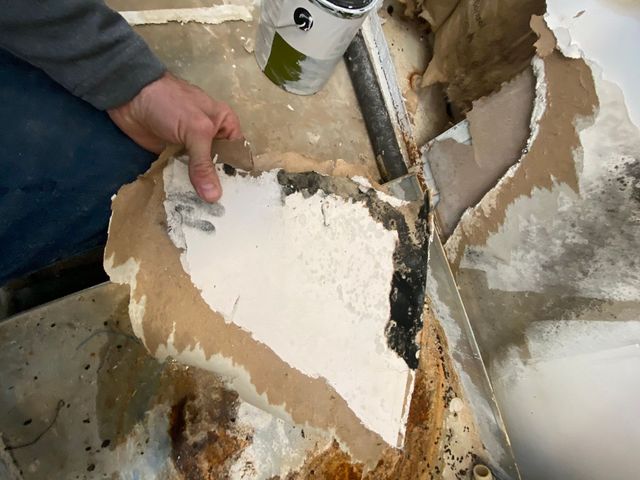
Why Ignoring It Costs More: Mold Testing Insights for Homes in Coral Springs
Most homeowners don’t ignore mold because they don’t care. They ignore it because it feels invisible, inconvenient, or “probably not that bad.” I’ve inspected plenty of homes in Coral Springs, and I can tell you this with confidence: waiting almost always costs more. Not sometimes. Almost always.
This isn’t about scare tactics or pushing unnecessary services. This is about what actually happens when mold gets ignored and why mold testing often saves money instead of wasting it.
Why Homeowners Delay Mold Testing
People delay mold testing for the same reasons every time. The logic feels reasonable in the moment, but it rarely holds up later.
Common reasons include:
- “I don’t see mold, so it’s probably fine”
- “It’s just a smell, it’ll go away”
- “Testing sounds expensive”
- “I’ll deal with it if it gets worse”
Here’s the problem. Mold doesn’t wait for permission to spread. While homeowners hesitate, moisture keeps feeding growth behind walls, inside ducts, and under flooring.
Mold Doesn’t Grow Loudly or Quickly
Mold Works Quietly Behind the Scenes
Mold doesn’t crash through ceilings like a cartoon villain. It spreads slowly, quietly, and out of sight.
By the time homeowners notice:
- Persistent musty odors
- Allergy flare-ups
- Discoloration on walls or ceilings
Mold already established itself somewhere hidden. Testing at this point doesn’t feel optional anymore. It feels overdue.
The “Small Problem” Myth
Many homeowners assume early mold equals cheap fixes. That assumption causes the most expensive outcomes.
A small moisture issue today turns into:
- Widespread wall contamination
- HVAC system involvement
- Larger remediation zones
Ignoring early signs gives mold time to multiply, not time to disappear.
What Mold Testing Actually Tells You
Testing Answers the Right Questions
Mold testing doesn’t exist to scare homeowners. It exists to provide clarity.
Good testing answers:
- Is mold present?
- Where is it coming from?
- How widespread is it?
- Is it affecting indoor air quality?
Without testing, homeowners guess. Guessing usually leads to either underreacting or overreacting. Neither saves money.
Visual Inspections Miss Hidden Growth
I’ve walked through homes that looked spotless on the surface. Testing revealed mold inside walls, ductwork, or air handlers.
Visual inspections alone can’t detect:
- Airborne spores
- Hidden moisture-related growth
- Contamination inside HVAC systems
Testing fills the information gap homeowners don’t realize they have.
Why Ignoring Mold Gets Expensive Fast
Mold Spreads Into Structural Areas
Mold feeds on organic materials found everywhere in homes. Drywall paper, wood framing, insulation, and dust all support growth.
When mold spreads unchecked:
- More materials need removal
- Repair costs increase
- Projects take longer
Early testing limits how far remediation must go. Late testing expands it.
HVAC Systems Multiply Costs
Once mold enters HVAC systems, costs jump significantly. Ductwork, coils, drain pans, and air handlers all become part of the problem.
Cleaning or replacing contaminated components costs far more than addressing a single moisture source early.
I’ve seen homeowners spend thousands fixing systems that testing could have protected months earlier.
Health Costs Add Up Too
Allergy and Respiratory Symptoms Escalate
Long-term mold exposure worsens allergy symptoms over time. Sneezing, congestion, coughing, and asthma flare-ups become persistent.
People often spend money on:
- Doctor visits
- Medications
- Air purifiers that don’t solve the source problem
Those costs pile up quietly, just like mold does.
Missed Work and Poor Sleep Matter
Poor indoor air quality affects sleep quality and energy levels. Homeowners don’t always connect fatigue or headaches to indoor environments.
Over time, productivity drops and stress rises. Mold testing often brings relief by identifying real causes instead of guessing.
Why Mold Testing Beats “Wait and See”
Waiting Rarely Improves Conditions
Moisture problems don’t fix themselves. Humidity, leaks, and airflow issues stay active without intervention.
Waiting allows:
- More mold growth
- More contamination
- Higher remediation costs
Testing early stops speculation and starts solutions.
Testing Helps You Spend Money Smarter
Homeowners worry testing adds cost. In reality, it prevents wasted spending.
Testing helps you:
- Target the real source
- Avoid unnecessary demolition
- Fix moisture issues correctly the first time
Spending a little to learn saves a lot later.
Mold Testing in Real Coral Springs Homes
Common Scenarios I See Repeatedly
In Coral Springs, mold testing often uncovers familiar patterns:
- High humidity combined with oversized HVAC systems
- Condensation inside ductwork
- Poor bathroom ventilation
- Slow plumbing leaks behind walls
Homeowners usually feel surprised by how common these issues are. Mold isn’t rare here. Moisture makes sure of that.
Early Testing Changes Outcomes
Homes tested early often need:
- Minor moisture corrections
- Limited cleaning
- Duct or ventilation improvements
Homes tested late usually require:
- Extensive remediation
- Material removal
- HVAC cleaning or replacement
The difference comes down to timing, not luck.
Fear Tactics vs. Real Mold Risks
Testing Isn’t About Worst-Case Scenarios
Fear-based marketing pushes extreme outcomes. Real mold testing focuses on data.
Most homes don’t face catastrophic mold disasters. They face manageable problems that grow worse when ignored.
Testing provides facts, not panic.
Not All Mold Is a Crisis
Some mold findings require monitoring, not remediation. Testing helps determine severity instead of assuming the worst.
Without testing, homeowners often stress over rumors instead of evidence.
When Mold Testing Makes the Most Sense
Mold testing helps most when homeowners notice:
- Persistent musty smells
- Allergy symptoms that worsen at home
- Condensation on vents or windows
- Water damage history
- HVAC moisture issues
FYI, testing works best when paired with a proper inspection. Numbers without context don’t help much.
What Testing Doesn’t Do
Let’s clear this up. Mold testing:
- Doesn’t fix mold by itself
- Doesn’t replace moisture control
- Doesn’t automatically mean remediation
Testing provides direction. Action solves the problem.
Lessons From Ignored Mold Problems
After years of inspections, one lesson stays consistent. Ignoring mold always shifts costs forward, and those costs grow.
Homeowners who test early:
- Spend less overall
- Fix problems faster
- Avoid repeated issues
Homeowners who wait usually say the same thing later: “I should’ve done this sooner.”
Final Thoughts: Information Always Costs Less Than Damage
Mold testing doesn’t create problems. It reveals them. Homes in Coral Springs face real moisture challenges, and pretending otherwise doesn’t protect budgets or health.
If something feels off in your home, don’t wait for visible damage. Ignoring mold costs more—testing early costs less, and the math almost always proves it.
