
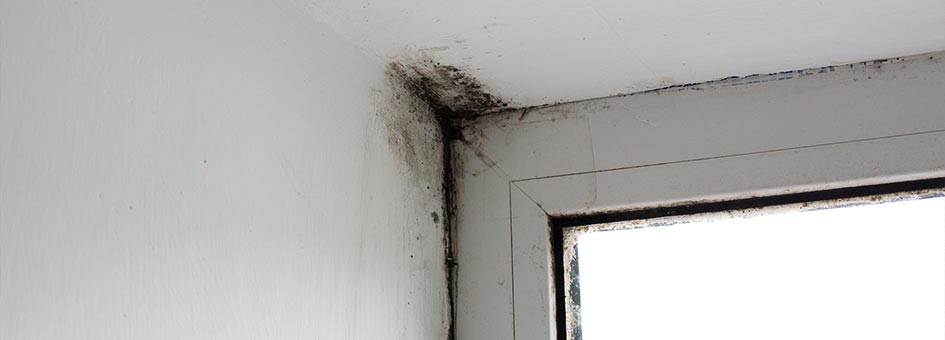
Mold testing usually isn’t what costs homeowners money. Ignoring the right moment to test is. In Davie, we see this play out over and over—people wait because nothing looks dramatic, smells strong, or feels urgent. Months later, they’re dealing with larger remediation scopes, HVAC involvement, and higher bills that could’ve stayed much smaller.
This article explains why ignoring it costs more, sharing mold testing insights from real inspections for homes in Davie. No scare tactics. No pressure. Just how timing, data, and a little clarity early on prevent expensive surprises later.
Why Mold Testing Gets Delayed in Davie Homes
Living in Davie means humidity feels normal, AC runs constantly, and mild musty smells don’t raise alarms. That environment encourages delay.
Most homeowners assume:
- Testing is only for severe mold cases
- If there’s no visible mold, testing won’t help
- Waiting saves money
From inspection data, waiting usually does the opposite.
What Mold Testing Is Actually For
Mold testing doesn’t exist to scare people or sell remediation. It exists to answer one question: Is mold affecting the air inside this home right now?
Testing helps:
- Confirm or rule out airborne exposure
- Compare indoor air to outdoor baselines
- Clarify unclear inspection findings
Testing doesn’t:
- Locate mold sources by itself
- Diagnose health conditions
- Automatically require remediation
Used correctly, it prevents guesswork.
Why “We’ll Just Wait and See” Gets Expensive
Time benefits mold, not homeowners. While people wait, moisture keeps doing its thing.
From real inspections, delays often allow:
- Hidden mold to spread inside walls
- HVAC systems to become involved
- Moisture to migrate into new areas
- Small problems to become multi-room projects
Testing earlier often limits scope before growth expands.
The Cost Difference Timing Creates
The financial gap between early testing and late remediation is real.
Early-stage scenarios often involve:
- Localized moisture correction
- Targeted mold removal
- Minimal material disturbance
Delayed scenarios often require:
- Multiple affected areas
- HVAC cleaning or remediation
- Material replacement
- Extended containment
Same house. Same problem. Very different bill.
When Mold Testing Should Raise a Flag
From inspections in Davie homes, testing becomes valuable before mold becomes obvious.
Testing makes sense when:
- Odors come and go
- Health symptoms worsen indoors
- Mold keeps returning after cleaning
- A past water issue exists
- HVAC moisture is suspected
Ignoring these moments almost always increases cost later.
HVAC Systems: Where Delay Gets Really Expensive
HVAC systems change everything. Once mold involves the system, exposure and remediation scope increase.
Inspection findings often include:
- Mold on evaporator coils
- Damp internal insulation
- Standing water in drain pans
- Spores distributed through supply vents
Testing helps determine whether spores already circulate through the home. Waiting lets that spread continue.
Why Davie Homes Show Repeat Delay Patterns
Homes throughout Broward County deal with moisture, but Davie adds long cooling seasons and tightly sealed construction.
Inspection trends often show:
- Elevated indoor humidity
- HVAC systems that rarely fully dry
- Moisture trapped behind finishes
- Mold growth without obvious clues
These conditions support slow, quiet mold expansion when testing gets postponed.
“It Doesn’t Smell Bad” Isn’t a Cost-Saving Strategy
Many homeowners wait for a strong odor. That usually means the problem matured.
From inspections:
- Hidden mold often produces no odor
- Smells may appear only during humidity spikes
- Odors often show up late in the timeline
By the time smell becomes obvious, remediation scope often already increased.
Why Testing Helps Prevent Over-Remediation
Here’s the irony: skipping testing often leads to more aggressive remediation later.
Testing can:
- Confirm no airborne issue exists
- Limit remediation to specific areas
- Prevent unnecessary demolition
Data protects homeowners from both underreacting and overreacting.
Mold Testing vs. Mold Removal Costs
Testing doesn’t equal removal. It informs decisions.
Typical testing outcomes include:
- No action needed
- Moisture correction only
- Localized mold removal
- Full mold remediation
Without testing, decisions rely on assumptions—and assumptions usually cost more.
DIY Cleaning and the Cost Trap
DIY cleaning often delays testing, not because it works, but because it looks like it works.
After DIY attempts, inspections often reveal:
- Reduced surface mold
- Ongoing hidden growth
- Continued airborne exposure
Testing later confirms what cleaning didn’t fix—and by then, growth usually expanded.
Health Costs Add Up Quietly Too
Financial cost isn’t just about remediation.
Long-term exposure often leads to:
- Repeated doctor visits
- Ongoing medication
- Missed work or productivity loss
Testing early often clarifies whether the home contributes to symptoms before those costs stack up.
Mold Inspection First, Testing Second
Testing works best when paired with inspection—not as a standalone move.
A professional mold inspection evaluates:
- Indoor humidity levels
- Moisture inside walls and ceilings
- HVAC system conditions
- Areas with past water intrusion
Testing then answers whether those conditions already affect indoor air.
When Mold Testing Doesn’t Add Value
Testing isn’t always necessary.
From real inspections, testing often adds little when:
- Mold is visible and localized
- Moisture sources are obvious
- Remediation scope is already clear
Knowing when not to test also saves money.
Real Inspection Insight: “We Should’ve Tested Earlier”
One Davie homeowner noticed mild odors and occasional congestion. No visible mold existed. They waited. Months later, odors worsened.
Inspection revealed hidden mold inside walls and HVAC involvement. Early testing would’ve confirmed airborne exposure before HVAC contamination expanded remediation costs.
Why Verification Testing Saves Money Too
Post-remediation testing often gets skipped. That’s another expensive mistake.
Verification testing:
- Confirms airborne levels normalized
- Prevents repeat remediation
- Protects resale value
Paying once for verification beats paying twice for repeat work.
Mold Removal vs. Mold Remediation: Cost Perspective
Cost differences become obvious over time.
- Mold removal addresses what exists now
- Mold remediation prevents future costs
Testing helps determine which approach actually applies.
Why Waiting Feels Cheap but Isn’t
Delaying testing feels safe because nothing forces action immediately. Mold doesn’t care how calm things feel.
From inspection data, waiting usually results in:
- Larger affected areas
- HVAC system involvement
- More materials removed
- Higher total costs
Early clarity always beats late correction.
How Often Davie Homes Should Consider Testing
Most homes don’t need routine testing, but timing matters.
Testing usually makes sense:
- After water damage
- When symptoms persist indoors
- Before buying or selling
- After remediation for verification
Strategic use saves money. Routine use isn’t necessary.
Preventing Mold Costs Before Testing Is Needed
The cheapest mold testing is the one you never need.
Prevention includes:
- Managing indoor humidity
- Maintaining HVAC drainage
- Fixing leaks immediately
- Using ventilation consistently
Control moisture, and testing becomes rare.
Final Thoughts: Ignoring It Is the Expensive Choice
In Davie homes, mold testing itself rarely drives cost. Ignoring the right moment to test does. Waiting lets mold spread, moisture migrate, and HVAC systems get involved.
The solution stays consistent: thorough mold inspection, targeted mold testing when appropriate, proper mold removal, and complete mold remediation driven by moisture control. Get clarity early, and costs stay manageable.
If something feels off but not urgent, that’s usually the moment testing saves the most money. From what we see inside homes, clarity early almost always costs less than confidence later.
