
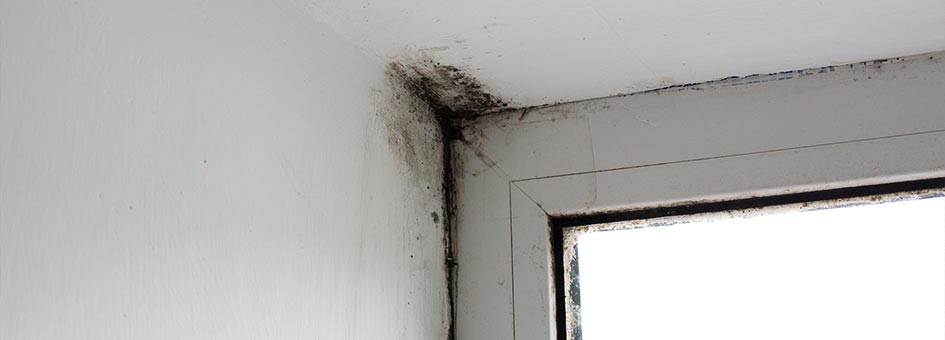
Why Ignoring It Costs More: Mold Testing Insights for Homes in Hollywood
Most homeowners don’t ignore mold testing because they don’t care. They ignore it because nothing looks urgent yet. No stains. No leaks. No dramatic smell. After inspecting plenty of homes in Hollywood, I can tell you this with confidence: the most expensive mold cases usually started with inaction, not disasters.
This isn’t about fear tactics or worst-case scenarios. It’s about what actually happens when homeowners wait, guess, or assume problems will resolve on their own. Mold testing doesn’t create costs. Ignoring the need for it does.
The Costly Assumption: “If It Was Serious, I’d Know”
This assumption shows up in almost every delayed case.
Homeowners expect mold problems to be obvious. In reality, mold prefers:
- Hidden spaces
- Stable moisture
- Limited airflow
That means it grows quietly inside walls, ducts, and HVAC systems long before surfaces show damage. By the time mold becomes visible, remediation scope already expanded.
Visibility comes late. Costs come later.
What Mold Testing Actually Prevents
Mold testing doesn’t exist to scare homeowners. It exists to prevent guesswork.
Testing helps:
- Identify hidden growth early
- Measure indoor exposure levels
- Compare indoor and outdoor air
- Narrow remediation areas
- Avoid unnecessary demolition
Skipping testing forces decisions based on assumptions. Assumptions cost more than data almost every time.
Why Hollywood Homes Face Higher Financial Risk
Humidity Accelerates Everything
Hollywood’s humidity doesn’t take breaks. Moisture moves indoors daily and settles where air stays still.
That environment:
- Speeds mold growth
- Slows drying inside walls
- Increases HVAC condensation
When mold grows faster, delays get more expensive.
Coastal Conditions Stress HVAC Systems
Salt air and humidity wear HVAC components faster. Drain pans rust. Coils collect buildup. Condensation issues become common.
Mold testing often reveals HVAC-related exposure homeowners never suspected. Ignoring that system allows mold to spread house-wide.
The Real Cost of Waiting Too Long
Early Testing Keeps Fixes Small
Homes tested early often need:
- Moisture control adjustments
- Ventilation improvements
- HVAC maintenance
- Monitoring instead of removal
These fixes stay relatively contained and affordable.
Late Testing Expands the Damage
Homes tested late usually require:
- Drywall removal
- Insulation replacement
- HVAC cleaning or remediation
- Larger containment areas
Same house. Same climate. Different timing. Very different bills.
Why Mold Testing Feels “Optional” Until It Isn’t
Symptoms Start Subtle
Homeowners often report:
- Mild allergy symptoms
- Occasional musty smells
- Slight condensation on vents
These don’t feel urgent. They feel manageable.
But long-term exposure builds slowly. By the time symptoms worsen, mold often spread beyond one area.
Odors Come and Go
Musty smells tied to mold often appear:
- When the AC starts
- During humid days
- In specific rooms
That inconsistency delays action. Meanwhile, mold keeps growing.
The HVAC Factor Most People Miss
Mold Testing Often Starts With Airflow
Mold inside HVAC systems creates constant exposure. Every cooling cycle spreads spores.
Testing near:
- Supply vents
- Return vents
- Air handlers
often reveals elevated levels even when walls look clean.
Ignoring HVAC involvement allows mold to reinfect cleaned spaces repeatedly. That’s how small problems turn into whole-home issues.
Oversized Systems Add to the Cost
Oversized HVAC systems cool fast but remove less moisture. That leaves ducts damp.
Testing frequently links elevated mold levels to short-cycling systems. Without testing, homeowners often replace drywall instead of fixing the real cause.
DIY Guessing vs Data-Driven Decisions
Guessing Leads to Over-Removal
Without testing, remediation often becomes “open everything just in case.”
Walls get removed unnecessarily. Costs rise fast.
Testing narrows focus so remediation stays targeted. Precision saves money.
Guessing Also Leads to Under-Removal
The opposite problem happens too. Homeowners clean visible areas while hidden growth remains active.
That leads to:
- Repeat remediation
- Ongoing health complaints
- Wasted spending
Testing prevents both extremes.
The Myth That Testing Forces Remediation
This myth scares people away from testing more than anything else.
Testing doesn’t mandate remediation. It provides information.
I’ve seen many Hollywood homes where testing showed:
- Normal indoor mold levels
- Moisture issues without mold growth yet
- Conditions that only needed monitoring
In those cases, testing saved homeowners from unnecessary work.
Health Costs Add Up Too
Ongoing Exposure Isn’t Free
Long-term mold exposure often leads to:
- Increased medication use
- More doctor visits
- Missed workdays
- Lower indoor comfort
These costs don’t show up on remediation invoices, but they affect households just as much.
Reducing exposure early improves indoor air quality and quality of life at the same time.
Why DIY Test Kits Usually Backfire
DIY kits feel cheaper. They usually aren’t.
Most kits:
- Lack outdoor comparisons
- Provide no interpretation
- Show growth in normal homes
Homeowners either panic unnecessarily or ignore results entirely. Neither outcome saves money.
Professional testing includes context. Context prevents costly mistakes.
How Mold Testing Fits Into Smart Homeownership
Testing Works Best When It Guides Action
Testing makes sense when homeowners:
- Notice recurring odors
- Experience symptoms tied to the home
- Deal with past water damage
- Struggle with humidity control
- Plan renovations or purchases
In these situations, testing answers questions before money gets spent in the wrong places.
Post-Remediation Testing Prevents Repeat Costs
Verification testing confirms that cleanup actually worked. It prevents paying twice for the same problem.
Skipping verification often leads to disputes, doubt, and repeat work.
Patterns We See in Hollywood Inspections
Across inspections, one pattern stays consistent.
Homes that:
- Test early
- Address moisture promptly
- Maintain HVAC systems
spend less long-term.
Homes that:
- Delay testing
- Rely on assumptions
- Treat symptoms instead of causes
almost always pay more later.
The difference isn’t luck. It’s timing.
What Homeowners Get Wrong Most Often
Based on real inspections, these misunderstandings repeat:
- Waiting for visible mold
- Assuming AC handles humidity
- Ignoring HVAC systems
- Thinking testing equals bad news
- Treating mold as a surface issue
Each misunderstanding delays action and increases cost.
Practical Ways Testing Saves Money
Mold testing helps homeowners:
- Limit remediation scope
- Avoid unnecessary demolition
- Catch hidden issues early
- Fix moisture sources correctly
- Make confident decisions
That combination protects both the home and the budget.
FYI, testing usually costs far less than repairing what it prevents.
When Ignoring Mold Testing Becomes the Most Expensive Choice
Ignoring testing costs more when:
- Symptoms persist without explanation
- Moisture problems keep returning
- Repairs happen repeatedly in the same areas
- HVAC systems show condensation issues
At that point, homeowners often wish they had tested sooner.
Lessons From Real Homes in Hollywood
Homeowners who test early often say the same thing afterward: “I’m glad we caught it when we did.”
Homeowners who delay often say something else: “I didn’t think it was that bad.”
By the time that realization hits, costs already climbed.
Final Thoughts: Ignoring It Always Costs More in the End
Mold testing doesn’t create problems. It reveals them at the most affordable stage. Homes in Hollywood face constant humidity pressure, and that pressure doesn’t pause while homeowners wait.
The lesson from real inspections stays simple. Testing early costs less than fixing late—financially, physically, and mentally. When homeowners stop guessing and start measuring, mold problems shrink instead of spreading.
