
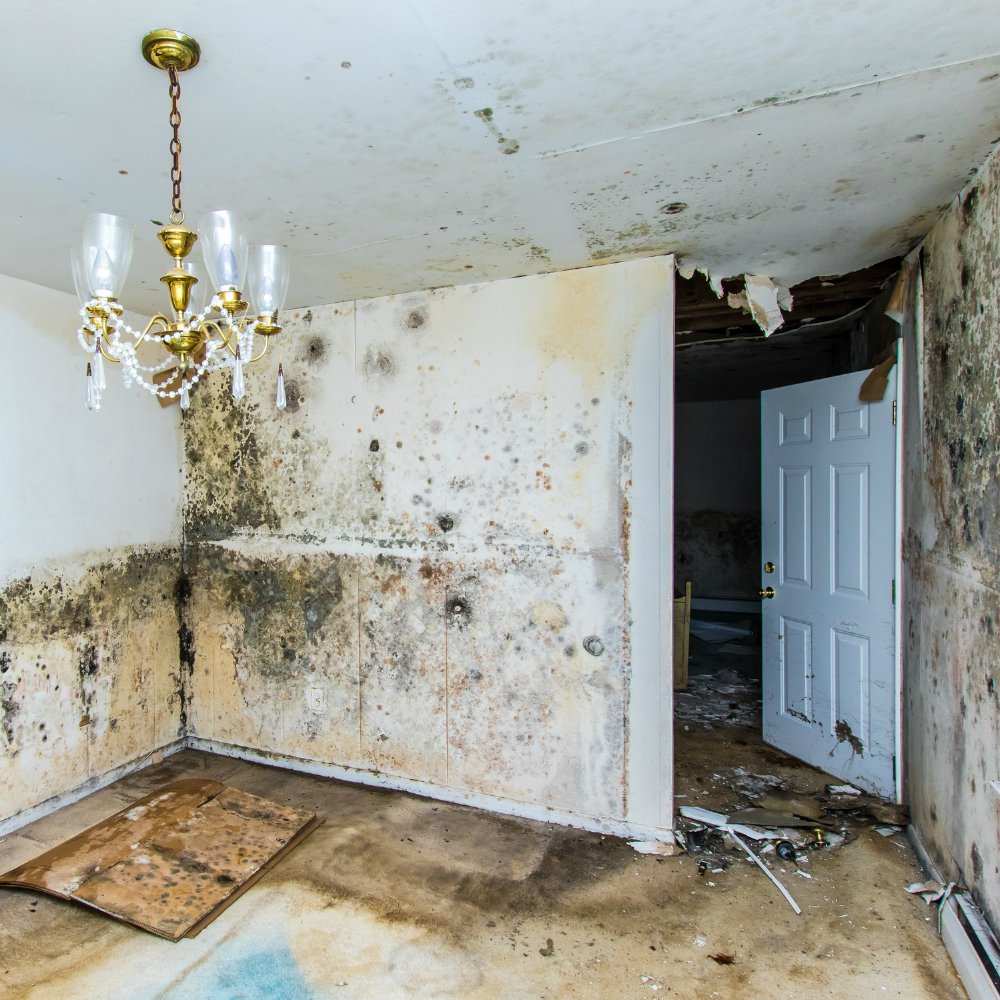
Mold doesn’t grow in Florida homes because homeowners do something wrong. It grows because Florida makes it easy. In Coral Springs, we inspect homes that look clean, well-maintained, and perfectly normal—yet mold still finds a way in. The reason always comes back to the same mix of moisture, humidity, and how homes actually function in this climate.
This homeowner’s guide explains why mold grows in Florida homes, specifically homes in Coral Springs, using what inspections consistently reveal. No scare language. No overreactions. Just the real conditions that allow mold to thrive and what homeowners should actually understand.
Why Mold Is So Common in Coral Springs Homes
Living in Coral Springs means heat, humidity, and air conditioning almost year-round. Those factors shape how homes breathe—or don’t.
Most homeowners assume:
- Mold only grows after leaks or floods
- Newer homes resist mold better
- If the house feels cool, moisture isn’t a problem
Inspection data shows mold growth usually starts without obvious water damage and often in homes that feel perfectly comfortable.
The Three Conditions Mold Always Needs
Mold growth isn’t complicated. It follows basic rules.
Mold needs:
- Moisture
- A surface to grow on
- Time
Florida provides all three almost constantly. Spores already exist everywhere. Moisture decides whether they stay dormant or start growing.
Humidity: The Primary Driver of Mold Growth
Humidity does more than make the air uncomfortable. It keeps building materials from fully drying.
In Coral Springs homes, we frequently measure:
- Indoor humidity above recommended levels
- Moisture lingering in closets and corners
- Condensation forming near vents and air handlers
When humidity stays elevated, mold doesn’t need a leak to grow.
Why Air Conditioning Doesn’t Stop Mold
Many homeowners assume AC automatically controls moisture. Cooling and drying are not the same thing.
Inspection patterns often show:
- Short AC cycles that cool quickly
- Limited moisture removal
- Damp HVAC components
- Homes that feel cool but stay humid
Cool air without proper dehumidification still supports mold growth.
Where Mold Actually Starts Growing
Mold rarely starts where homeowners look first. It prefers quiet, hidden spaces.
We most often find early growth:
- Behind drywall
- Under cabinets and vanities
- Inside HVAC systems
- Inside wall cavities near plumbing
By the time mold appears on visible surfaces, it often grew out of sight for weeks or months.
Why Florida Homes Trap Moisture
Modern homes seal tightly to keep cool air in. That helps energy efficiency but limits natural drying.
In Coral Springs homes, this often results in:
- Limited fresh air exchange
- Moisture building up indoors
- Humidity that never fully drops
- Air recirculating constantly
Without balance, sealed homes trap the conditions mold loves.
HVAC Systems: Mold’s Favorite Shortcut
HVAC systems don’t create mold, but they help it spread once moisture enters the system.
During inspections, we frequently find:
- Mold on evaporator coils
- Damp insulation inside air handlers
- Standing water in drain pans
- Spores exiting supply vents
Once mold involves the HVAC system, it becomes a whole-home issue.
Plumbing Leaks That Don’t Look Like Leaks
Many mold problems trace back to plumbing—but not dramatic failures.
We regularly find mold caused by:
- Slow pipe leaks
- Shower plumbing seepage
- Drains leaking inside walls
- Small valve drips over time
These leaks rarely show water on floors. They quietly feed mold behind walls.
Roof and Window Intrusion Adds to the Problem
South Florida storms add another layer of risk.
Inspection trends often show:
- Minor roof intrusion
- Window seal failure
- Moisture entering wall cavities
- Water drying slowly due to humidity
Even small intrusion events can support mold when drying never fully finishes.
Why Mold Feels Like It Appears “Out of Nowhere”
Homeowners often say mold suddenly showed up. In reality, it reached the surface.
This happens because:
- Mold grows inside materials first
- Odors appear intermittently
- Humidity activates dormant growth
- Airflow finally exposes it
What feels sudden usually isn’t new—it’s just visible now.
Mold and Indoor Air Quality
Mold growth doesn’t stay put. It releases spores into the air as it grows.
Common homeowner complaints include:
- Stuffy or heavy air
- Lingering musty odors
- Headaches at home
- Allergy-like symptoms indoors
Air quality declines long before mold becomes obvious.
Mold Inspection: How Growth Gets Identified Early
A professional mold inspection looks for conditions that support mold—not just visible spots.
During inspections, professionals evaluate:
- Indoor humidity levels
- Moisture inside walls
- HVAC system conditions
- Past water intrusion areas
Early inspections catch mold before it spreads.
When Mold Testing Helps Clarify the Problem
Not every situation requires mold testing, but testing helps when mold is suspected but not visible.
Testing becomes useful when:
- Odors persist without visible growth
- Symptoms worsen indoors
- Mold returns after cleaning
- Documentation matters
Testing confirms airborne exposure and HVAC involvement.
Mold Removal vs. Mold Remediation in Florida Homes
This distinction matters more in humid climates.
- Mold removal addresses visible growth
- Mold remediation fixes moisture and prevents regrowth
Removing mold without correcting humidity almost guarantees it returns.
Why Ignoring Mold Conditions Gets Expensive
Mold doesn’t stabilize on its own. It grows until conditions change.
Delays often lead to:
- Larger remediation areas
- HVAC contamination
- Material replacement
- Higher overall costs
Early action keeps problems manageable.
Why Coral Springs Homes Face Consistent Mold Pressure
Homes throughout Broward County face mold risk, but Coral Springs adds steady humidity and long cooling seasons.
Inspection trends frequently show:
- Elevated indoor humidity year-round
- HVAC systems that rarely fully dry
- Moisture trapped behind finishes
These conditions shorten the timeline for mold growth.
Real Inspection Insight: “We Never Had a Leak”
One Coral Springs homeowner insisted no water damage ever occurred. Inspection revealed elevated humidity, condensation near vents, and mold growth inside the HVAC system.
Correcting humidity and HVAC moisture stopped further growth. No flood was ever involved.
How Professionals Stop Mold From Growing
Professional mold remediation focuses on stopping the conditions mold depends on.
Effective remediation includes:
- Moisture source identification
- Containment to prevent spread
- HEPA filtration
- Removal of contaminated materials
- Verification of dry conditions
When moisture stops, mold stops.
How Often Homes Should Be Evaluated
Florida homes benefit from routine checks.
We recommend inspections:
- Annually
- After plumbing or roof issues
- When odors appear
- If air quality feels off
Early evaluation saves money and stress.
Preventing Mold Growth Long-Term
Prevention isn’t complicated, but it requires consistency.
Effective prevention includes:
- Managing indoor humidity
- Maintaining HVAC systems
- Fixing leaks immediately
- Using ventilation consistently
Small steps make a big difference over time.
Final Thoughts: Mold Grows Because Conditions Allow It
Mold grows in Coral Springs homes because Florida creates ideal conditions—humidity, moisture, and limited drying time. It’s not about cleanliness or neglect. It’s about physics and climate.
The solution stays consistent: thorough mold inspection, targeted mold testing when appropriate, proper mold removal, and complete mold remediation. Address conditions early, and mold rarely becomes a serious issue.
If your home feels damp, smells musty, or never quite dries out, don’t assume that’s normal Florida living. It’s usually the first sign mold conditions already exist.
