
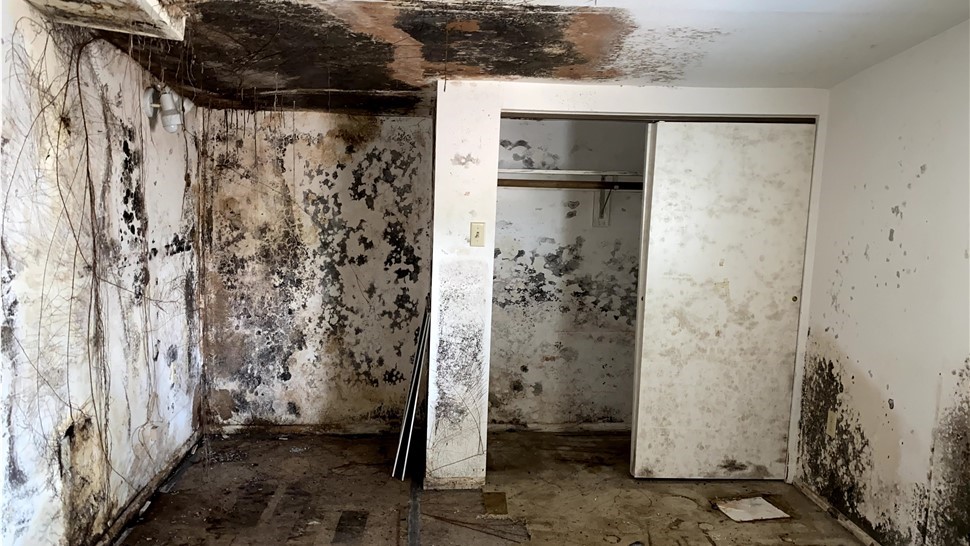
Mold feels mysterious to a lot of homeowners. One house has it, the neighbor’s looks fine, and everyone starts guessing. In Miramar, we hear the same myths repeated during inspections every week. People blame age, cleanliness, or bad luck, while the real causes quietly keep working in the background.
This article breaks down why mold actually grows in Florida homes, separating facts from common myths, with a clear focus on what we see during real inspections in Miramar. No scare tactics, no oversimplifying—just accurate explanations homeowners can actually use.
Why Mold Growth Confuses Homeowners in Miramar
Living in Miramar means warm temperatures, high humidity, and heavy air conditioning use. Those conditions feel normal here, which makes mold feel confusing when it shows up.
Most homeowners assume:
- Mold only grows in dirty homes
- Mold needs major water damage
- Newer homes don’t get mold
Those assumptions sound logical. Unfortunately, inspections prove them wrong again and again.
Fact vs Myth: Mold Needs Dirt to Grow
Myth: Mold grows because a home isn’t clean.
Fact: Mold grows because moisture stays too long.
Mold feeds on moisture first, not dirt. Drywall, wood, insulation, and dust all provide enough organic material once moisture enters the picture.
We regularly find mold in:
- Well-maintained homes
- Recently renovated spaces
- Homes cleaned weekly
Cleanliness helps, but moisture control matters far more.
Fact vs Myth: Mold Only Grows After Flooding
Myth: No flooding means no mold risk.
Fact: Most mold grows without flooding.
Slow leaks, condensation, and humidity cause far more mold problems than dramatic water events. In Miramar homes, we see mold develop from issues homeowners never noticed.
Common non-flood sources include:
- AC condensation
- Minor plumbing leaks
- Roof or window seepage
- High indoor humidity
Mold prefers quiet moisture over obvious disasters.
The Florida Climate: Mold’s Favorite Environment
Florida’s climate creates ideal mold conditions almost year-round. Warm air holds moisture, and homes rely heavily on AC, which creates condensation.
Here’s what inspections consistently show:
- High outdoor humidity enters homes easily
- Indoor spaces cool rapidly
- Moisture condenses on cool surfaces
- Materials dry slowly
Mold doesn’t need extreme conditions. Florida provides enough on a normal day.
Fact vs Myth: New Homes Don’t Get Mold
Myth: Mold only affects older houses.
Fact: New homes get mold too.
We inspect newer Miramar homes with mold issues caused by tight construction, limited ventilation, and constant AC cycling. Modern building practices often trap moisture rather than eliminate it.
Newer homes commonly struggle with:
- Short AC run times
- Limited fresh air exchange
- Condensation inside walls
- Trapped construction moisture
Age doesn’t protect against mold. Moisture control does.
Humidity: The Real Mold Driver Most People Miss
Humidity causes more mold problems than leaks in Miramar homes. High humidity allows surfaces to absorb moisture even without visible water.
We regularly measure:
- Elevated indoor humidity
- Damp drywall with no leaks
- Moist closets and cabinets
- Condensation near vents
Humidity doesn’t feel dramatic, but mold responds to it immediately.
Fact vs Myth: If You Can’t See Mold, It’s Not There
Myth: Visible mold tells the whole story.
Fact: Most mold stays hidden.
During inspections, visible mold often represents only a small portion of the problem. Mold prefers dark, undisturbed areas.
We commonly find hidden mold:
- Behind drywall
- Under sinks
- Inside HVAC systems
- Beneath flooring
Seeing mold usually means it already spread beyond that spot.
HVAC Systems: Mold’s Best Transportation Tool
HVAC systems play a major role in mold growth and spread. Once mold develops inside air handlers or ductwork, spores circulate throughout the home.
Inspection findings often include:
- Mold on evaporator coils
- Damp internal insulation
- Contaminated drain pans
- Spores exiting supply vents
HVAC systems don’t create mold, but they help it travel efficiently.
Fact vs Myth: Bleach Solves Mold Problems
Myth: Bleach kills mold permanently.
Fact: Bleach rarely solves the problem.
Bleach may lighten stains, but it doesn’t fix moisture issues or penetrate porous materials. Mold often returns stronger after surface cleaning.
Why bleach fails:
- Moisture sources remain active
- Mold stays inside materials
- Spores remain airborne
- Regrowth happens quickly
Surface fixes don’t stop root causes.
Mold Inspection: How Professionals Separate Myths From Reality
A proper mold inspection focuses on moisture and conditions, not just visible growth. We don’t chase mold blindly. We look for why it exists.
Inspections focus on:
- Moisture levels inside walls
- Humidity measurements
- HVAC system performance
- Past water intrusion areas
Understanding conditions explains mold far better than guessing.
When Mold Testing Helps Clarify Confusion
Not every home needs mold testing, but testing helps when mold stays hidden or symptoms persist without visible clues.
Testing becomes useful when:
- Odors linger without visible mold
- Health symptoms worsen indoors
- Mold returns after cleaning
- Documentation matters for real estate
Testing replaces myths with data.
Mold Removal vs. Mold Remediation: Another Common Mix-Up
Homeowners often confuse mold removal with mold remediation. The difference matters.
Here’s the breakdown:
- Mold removal eliminates contaminated materials
- Mold remediation fixes moisture conditions
Removing mold without remediation guarantees future growth.
Why Miramar Homes Face Consistent Mold Risk
Homes throughout Broward County face mold pressure, but Miramar’s humidity and constant AC use increase risk. Homes rarely dry naturally here.
We frequently see:
- Year-round indoor humidity
- Continuous HVAC operation
- Limited ventilation
- Moisture trapped inside materials
Mold grows where moisture stays stable.
Health Effects That Fuel Mold Myths
Mold-related symptoms often confuse homeowners. People treat symptoms without addressing causes, which reinforces myths.
Common complaints include:
- Congestion indoors
- Headaches at home
- Fatigue without explanation
- Worsening asthma symptoms
Symptoms improve outside the house more often than people expect.
Why Waiting Makes Mold Worse
Mold rarely fixes itself. Delays allow moisture to keep feeding growth and spreading contamination.
Waiting leads to:
- Wider mold spread
- Structural material damage
- Higher remediation costs
- Longer indoor air quality issues
Early action always costs less.
How Professionals Actually Stop Mold Growth
Professional mold remediation focuses on stopping mold at the source. We remove contamination and correct moisture conditions together.
Effective remediation includes:
- Containment to prevent spread
- HEPA filtration
- Material removal when necessary
- Moisture correction and verification
Mold stops growing when moisture disappears.
Preventing Mold in Florida Homes Long-Term
Prevention doesn’t require perfection. It requires awareness and consistency.
Effective prevention includes:
- Managing indoor humidity
- Maintaining HVAC systems
- Addressing leaks immediately
- Inspecting after water events
Small actions reduce big problems.
Final Thoughts: Mold Grows for Predictable Reasons
Mold growth in Miramar homes doesn’t come from bad luck or dirty living. It comes from moisture, humidity, and airflow patterns that stay unnoticed. Myths distract homeowners from real solutions.
The facts stay consistent: proper mold inspection, targeted mold testing, thorough mold removal, and complete mold remediation stop mold when moisture gets addressed. Separate myth from reality, and mold becomes manageable instead of mysterious.
If mold keeps showing up in your Miramar home, don’t blame age, cleanliness, or coincidence. Mold follows rules, and once you understand them, stopping it becomes far easier—and far less stressful.
