
Why Mold Grows in Florida Homes – Lessons From Real Inspections for Homes in Weston
Mold growth in Florida homes doesn’t happen because people ignore their houses. In Weston, most homeowners care a lot. They maintain their properties, service their AC, and fix leaks when they notice them. Yet mold still shows up. That disconnect confuses people—and it’s where costly mistakes begin.
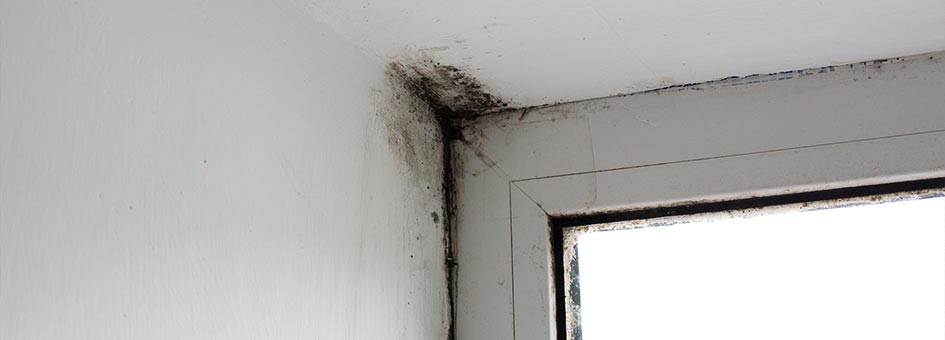
Lesson #1: Florida’s Climate Does Most of the Work
Mold doesn’t need encouragement here.
Why Weston Homes Sit at Higher Risk
From inspections across Weston, we consistently see:
- High year-round humidity
- Long AC run times
- Warm indoor temperatures
- Slow natural drying
Mold spores already exist everywhere. Florida’s climate doesn’t introduce mold—it gives moisture enough time to activate it.
Lesson #2: Mold Starts With Moisture, Not Leaks
Leaks get blamed, but they’re not required.
What Inspections Actually Reveal
In many Weston homes with mold, inspectors find:
- No major leaks
- No flooding history
- No obvious water events
Instead, we see persistent humidity, condensation, and trapped moisture. Small amounts of moisture, left alone long enough, grow mold just as effectively as big leaks.
Lesson #3: Mold Rarely Starts Where Homeowners See It
Visible mold usually means the problem is already established.
Where Mold Commonly Begins
Based on real inspections, mold in Weston homes often starts:
- Behind drywall
- Inside wall cavities
- Under flooring
- Inside HVAC systems
- In attics
By the time mold becomes visible on a wall or vent, growth usually exists well beyond that surface.
Lesson #4: HVAC Systems Quietly Help Mold Spread
HVAC systems don’t cause mold—but they distribute it.
What We See Inside HVAC Systems
In many Weston inspections, HVAC systems show:
- Mold on evaporator coils
- Standing water in drain pans
- Damp internal insulation
- Mold inside air handlers
Once mold enters the HVAC system, spores circulate throughout the home. That’s how a small issue turns into a multi-room problem.
Lesson #5: Condensation Is the Warning Sign Most People Miss
Condensation looks harmless. It isn’t.
Where Condensation Shows Up First
During inspections, we frequently spot condensation:
- On supply vents
- Around duct boots
- On metal HVAC components
- Near windows and doors
Condensation means moisture is active. Mold often follows if nothing changes.
Lesson #6: Newer and Renovated Homes Aren’t Safer
Fresh paint creates false confidence.
What Inspections Show in Newer Weston Homes
Even newer or recently renovated homes often have:
- Tighter construction trapping moisture
- Reduced natural airflow
- Hidden mold behind new drywall
New materials don’t stop mold. Moisture control does.
Lesson #7: Attics Quietly Feed Mold Problems
Attics rarely get checked early.
What We Find in Weston Attics
In homes with mold issues, attic inspections often reveal:
- Condensation on roof decking
- Damp insulation
- Mold near exhaust vents
Warm, humid air rises and gets trapped. Over time, attic mold spreads downward into ceilings and walls.
Lesson #8: Mold Often Affects Air Quality Before Surfaces
People feel mold before they see it.
Symptoms That Trigger Inspections
Homeowners in Weston often report:
- Allergy symptoms indoors
- Headaches or fatigue
- Scratchy throat or congestion
- Symptoms improving outside the home
These patterns frequently lead inspectors to hidden mold growth.
Lesson #9: DIY Cleaning Usually Makes Mold Harder to Fix
Good intentions, bad outcomes.
What DIY Efforts Miss
DIY cleaning often:
- Removes visible mold only
- Misses hidden growth
- Leaves moisture untouched
- Spreads spores into the air
By the time professionals get involved, mold often spreads further than it would have otherwise.
Lesson #10: Mold Doesn’t “Come Back”—It Never Left
This misunderstanding fuels frustration.
What Recurring Mold Actually Means
When mold returns after cleaning, inspections almost always show:
- Hidden growth still active
- Moisture sources never corrected
- HVAC systems still contaminated
Cleaning resets appearance, not conditions.
Lesson #11: Mold Removal and Mold Remediation Are Not the Same
This difference changes outcomes.
Why Mold Removal Alone Fails
Mold removal:
- Treats visible surfaces
- Ignores moisture
- Allows regrowth
Why Mold Remediation Works
Proper remediation includes:
- Containment to prevent spore spread
- HEPA air filtration
- Removal of contaminated materials
- Moisture correction
- Preventive treatments
Remediation fixes the environment mold depends on.
Lesson #12: Timing Determines Cost More Than Severity
This lesson shows up in every inspection log.
Early vs Late Action
From inspection data:
- Early response limits affected areas
- Delays lead to structural removal
- Late action often involves HVAC remediation
Mold grows cheaply. Fixing it later does not.
Lesson #13: Mold Often Spreads Without Smell
Waiting for odor delays action.
Why Smell Is Unreliable
Many homes with active mold:
- Smell completely normal
- Show no staining
- Feel dry to the touch
Mold often affects air quality long before producing odor.
Lesson #14: Florida Homes Can’t “Wait It Out”
Humidity punishes delay.
Why Waiting Fails in Weston
Because of:
- Persistent humidity
- Slow drying
- Constant AC use
Mold rarely stabilizes on its own. It almost always spreads when ignored.
Lesson #15: Inspections Replace Guesswork With Clarity
Guessing costs more than inspection.
What Inspection Actually Provides
A proper inspection identifies:
- Hidden mold locations
- Moisture sources
- HVAC involvement
- True remediation scope
Inspection prevents both under-treatment and unnecessary demolition.
Warning Signs Experts Don’t Ignore
Based on real inspections in Weston:
- Mold returning after cleaning
- Condensation on vents
- Stains slowly spreading
- Musty odors that come and go
- Health symptoms indoors
Multiple signs usually mean mold is already active.
Practical Lessons Homeowners Can Apply Immediately
You don’t need panic. You need patterns.
What Low-Risk Homes Do Differently
Homes with fewer mold issues usually:
- Control indoor humidity
- Address condensation early
- Maintain HVAC drainage
- Inspect before guessing
Consistency matters more than perfection.
When Immediate Action Saves the Most Money
Don’t delay when:
- Mold appears in multiple rooms
- HVAC smells damp
- Moisture lasts more than 24–48 hours
- Health symptoms worsen indoors
At this stage, early inspection limits damage.
Final Thoughts: Mold Grows Where Moisture Gets Time
Real inspections in Weston homes tell the same story over and over. Mold doesn’t grow because homeowners fail. It grows because Florida’s climate quietly gives moisture enough time to do damage behind the scenes.
Control moisture early. Respect condensation. Inspect before cleaning. Fix causes, not stains. When homeowners apply the lessons inspections keep teaching us, mold stays manageable—and it stops turning into a much bigger, more expensive problem than it ever needed to be.
