
Why Mold Grows in Florida Homes – Practical Advice From Experts for Homes in Fort Lauderdale
If mold had a favorite place to live, Florida would be high on the list—and Fort Lauderdale homes are no exception. Many homeowners assume mold shows up only after flooding or major leaks, but experts who inspect homes every day know better.
In reality, mold growth in Florida is usually the result of normal conditions, not neglect. High humidity, constant air conditioning, and small moisture issues create an environment where mold doesn’t struggle—it thrives.
This guide explains why mold grows so easily in Florida homes, what experts consistently see in Fort Lauderdale, and what homeowners can realistically do to reduce their risk.
The Florida Climate: Mold’s Biggest Advantage
Florida’s climate does most of the work for mold.
Homes in Fort Lauderdale deal with:
- High humidity nearly year-round
- Warm temperatures that speed up growth
- Heavy seasonal rainfall
- Frequent storms
- Moist coastal air
Mold spores exist everywhere, including inside homes. When moisture is present—and in Florida, it usually is—those spores activate quickly.
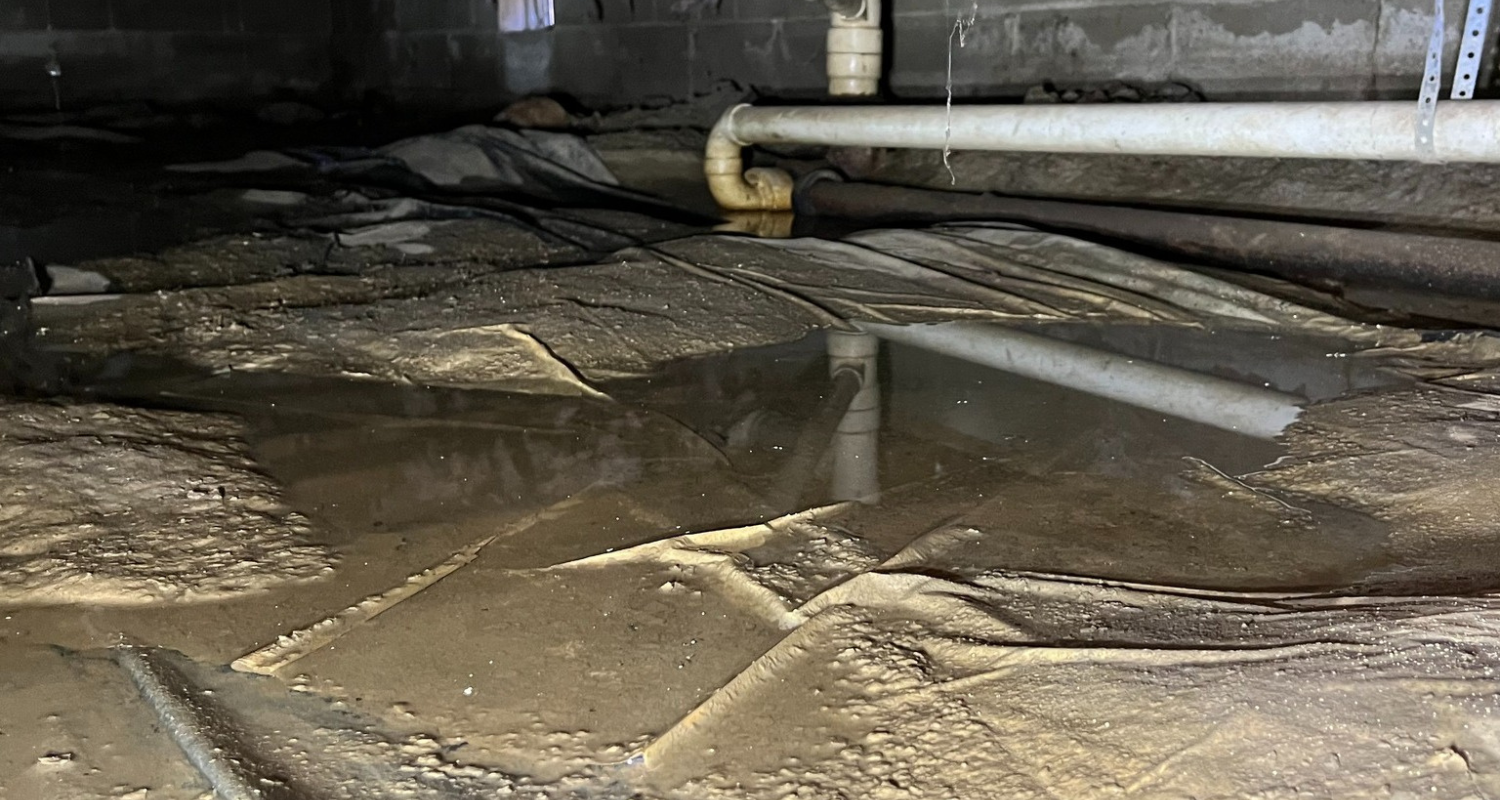
Experts agree: Florida homes don’t need unusual conditions for mold—just everyday moisture.
Why Air Conditioning Doesn’t Fully Protect Homes
Many homeowners believe running the AC keeps mold away. While air conditioning helps, it’s not foolproof.
What experts often see:
- AC systems that cool air faster than they remove moisture
- Oversized units that shut off too quickly
- Dirty coils or clogged drain lines
- Condensation forming inside ductwork
When humidity isn’t controlled properly, homes can feel cool while moisture levels stay high—creating ideal mold conditions.
Hidden Moisture: The Real Mold Trigger
In Fort Lauderdale homes, mold almost always starts out of sight.
Common hidden moisture sources include:
- Slow plumbing leaks behind walls
- Roof seepage after heavy rain
- AC condensation near air handlers
- Window and sliding door leaks
- Moisture trapped under flooring
Experts consistently find mold growing long before homeowners notice visible damage.
By the time stains or odors appear, mold has usually been active for weeks—or longer.
Why Florida Homes Are Built in Mold-Friendly Ways
Modern construction has benefits, but it also creates challenges.
Experts point out that:
- Tightly sealed homes trap moisture
- Reduced airflow slows drying
- Insulated walls hide condensation
- Slab foundations conceal plumbing leaks
Older homes aren’t immune either. Aging pipes and worn seals can quietly introduce moisture without obvious warning signs.
Everyday Activities That Add Moisture Indoors
Mold doesn’t need dramatic water events. Normal daily habits add moisture too:
- Hot showers
- Cooking without exhaust fans
- Laundry drying indoors
- Multiple occupants breathing and living
- Keeping windows closed during humid weather
In Fort Lauderdale’s climate, this moisture doesn’t always escape—it accumulates.
Common Myths Experts Hear All the Time
❌ “My home is clean, so mold can’t grow”
Mold feeds on moisture, not dirt. Clean homes still grow mold if humidity stays high.
❌ “No smell means no mold”
Many mold problems remain odorless until growth is widespread.
❌ “Bleach solves mold issues”
Bleach may remove surface stains but doesn’t fix moisture or hidden growth.
Experts emphasize that mold prevention is about moisture control, not surface cleaning.
Warning Signs Experts Say Homeowners Miss
Before mold becomes obvious, experts often notice early clues homeowners overlooked:
- Persistent indoor humidity
- Condensation on vents or windows
- Peeling or bubbling paint
- Warped baseboards or flooring
- Musty smells that come and go
- Allergy symptoms that worsen indoors
These signs don’t guarantee mold—but they indicate conditions where mold is likely.
Why Fort Lauderdale Homes Face Higher Risk
Local conditions play a big role:
- Coastal moisture in the air
- Long rainy seasons
- Frequent AC use
- Storm-driven wind and rain
- High water tables
Experts see mold in condos, single-family homes, waterfront properties, and inland neighborhoods alike. Location alone doesn’t protect a home.
Practical Advice From Mold Experts
Homeowners who successfully reduce mold risk usually focus on prevention, not reaction.
Experts recommend:
- Monitoring indoor humidity levels
- Addressing leaks immediately—even small ones
- Keeping AC systems well maintained
- Using exhaust fans consistently
- Improving airflow throughout the home
- Avoiding DIY shortcuts that ignore moisture
These steps don’t eliminate mold spores—but they make growth far less likely.
Why Ignoring Mold Conditions Gets Expensive
Experts see the same pattern repeatedly:
- Moisture goes unnoticed
- Mold grows quietly
- Damage spreads
- Repairs become disruptive and costly
Early action often limits mold to small areas. Waiting allows it to spread into walls, floors, and HVAC systems.
Final Thoughts: Mold Grows Because Conditions Allow It
In Fort Lauderdale homes, mold doesn’t grow because homeowners do something wrong—it grows because Florida’s environment makes it easy.
Experts agree on one thing: mold prevention isn’t about fear or perfection. It’s about understanding moisture, recognizing early warning signs, and acting before small problems turn into major repairs.
When homeowners focus on controlling humidity and addressing water issues early, mold becomes far less intimidating—and far more manageable.
