
Why Mold Grows in Florida Homes – Real Risks, Not Fear Tactics for Homes in Pompano Beach
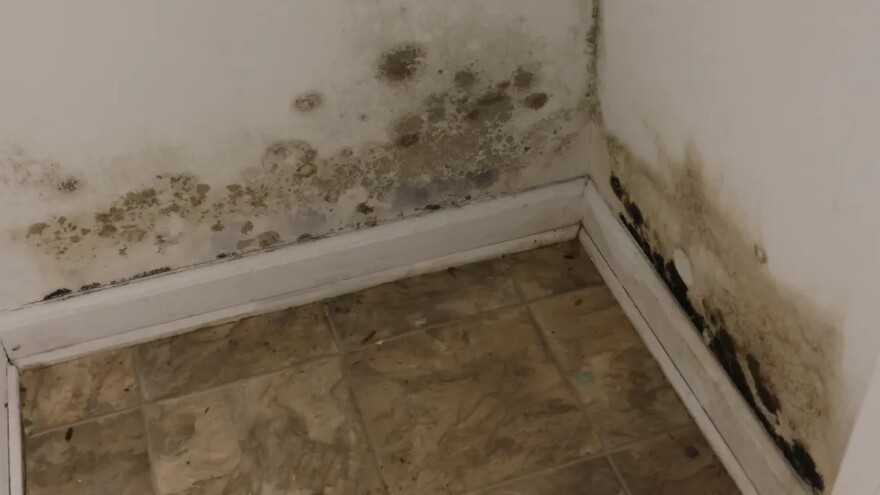
Mold growth in Florida homes doesn’t mean a house is dirty, neglected, or falling apart. It means moisture stuck around longer than it should have. That’s it. Real inspections inside homes across Pompano Beach show the same truth over and over: mold grows because Florida’s climate quietly supports it, and ignoring early signs lets small issues snowball into expensive ones.
No scare stories here. Just real risks, real conditions, and real-world lessons from what inspectors actually see.
Florida Gives Mold Everything It Needs
Mold doesn’t need dramatic flooding or obvious leaks in Florida. It just needs consistency.
Florida homes deal with:
- High year-round humidity
- Warm indoor temperatures
- Limited natural drying
- Constant air conditioning
- Frequent rain and storms
Mold thrives when moisture lingers, even at low levels. In this climate, lingering moisture is common.
Why Pompano Beach Homes See Mold So Often
Pompano Beach homes face a few extra challenges.
Local conditions include:
- Coastal humidity
- Salt air affecting materials
- Heavy AC usage
- Condensation-prone HVAC systems
- Storm-driven moisture intrusion
IMO, many mold problems here start with moisture homeowners never even noticed.
The Biggest Misunderstanding: Mold Isn’t a Cleanliness Issue
This myth causes more confusion than anything else.
Mold grows when:
- Materials stay damp
- Humidity stays elevated
- Airflow doesn’t dry spaces
- Moisture hides behind finishes
You can clean constantly and still have mold if moisture stays active inside walls, floors, or HVAC systems.
Humidity: The Quiet Driver Behind Mold Growth
Humidity doesn’t shout. It whispers.
High indoor humidity:
- Slows evaporation
- Creates condensation
- Keeps materials damp
- Feeds mold growth over time
Homes often feel cool but still stay humid, which creates ideal mold conditions without obvious warning signs.
Condensation: Small Drops, Big Consequences
Condensation looks harmless because it shows up briefly and disappears.
Inspectors routinely find condensation:
- On AC vents and registers
- Inside ductwork
- On windows and sliding doors
- On bathroom ceilings
- On walls near temperature changes
Repeated condensation slowly feeds moisture into materials, even if surfaces look dry later.
HVAC Systems Play a Bigger Role Than People Expect
Cooling Doesn’t Equal Drying
Air conditioners cool air, but they don’t always remove enough moisture.
Common HVAC-related mold contributors include:
- Oversized systems
- Short cycling
- Clogged drain lines
- Standing water in drain pans
- Wet coils
- Condensation inside ducts
Cold air can still carry mold-friendly moisture.
Where Mold Usually Starts (Hint: You Don’t See It)
Visible mold usually appears late.
Inspectors commonly find early mold growth:
- Behind drywall
- Inside wall cavities
- Under flooring
- Behind baseboards
- Inside insulation
- Inside AC closets
- Within duct liners
By the time mold shows on a wall, it often spread much farther.
Why Mold Appears Months After a Leak
This delay confuses homeowners and leads to wrong assumptions.
Here’s what actually happens:
- Materials absorb water
- Drying happens slowly
- Humidity stays elevated
- Mold grows quietly
- Symptoms appear later
Mold doesn’t rush—it waits.
DIY Cleaning: Why It Fails Long-Term
DIY mold cleaning feels productive, but inspections usually tell a different story.
DIY efforts fail because:
- They remove surface mold only
- Hidden growth stays active
- Moisture sources remain
- Porous materials stay contaminated
- Scrubbing spreads spores
Scrubbing changes appearance, not conditions.
Why Mold Keeps Coming Back After “Fixing” It
Recurring mold isn’t bad luck.
Mold returns when:
- Moisture sources never get fixed
- Materials never fully dry
- Humidity stays high
- HVAC systems spread spores
- Hidden growth remains
If conditions don’t change, mold doesn’t either.
HVAC Involvement Is Where Risk and Cost Increase
Airflow Turns One Mold Spot Into Many
Once mold reaches HVAC components, it spreads efficiently.
HVAC-related mold often leads to:
- Whole-home odor issues
- Mold near vents
- Air quality complaints
- System contamination
- More complex remediation
Early action often prevents HVAC involvement entirely.
Health Concerns: Real Risks Without the Drama
Mold discussions get dramatic fast, so let’s keep this grounded.
Real inspection patterns show:
- Mold can irritate allergies
- Symptoms often improve outside the home
- Prolonged exposure matters more than brief contact
- Indoor air quality plays a major role
Mold doesn’t need hype to be taken seriously—it just needs context.
Why Ignoring Mold Always Costs More
Early mold problems stay manageable. Ignored ones don’t.
Inspection and remediation data show delays lead to:
- Wider contamination
- More materials removed
- Multiple rooms affected
- HVAC system remediation
- Higher labor and equipment costs
- Longer disruption
What could’ve been a small fix becomes a major project.
The “It Dried” Assumption That Causes Trouble
Homeowners often say, “The leak dried.”
Inspectors often find:
- Moisture trapped inside materials
- Damp insulation
- Hidden mold growth
- Elevated humidity long after repairs
Surface drying doesn’t mean internal drying.
Why Coastal Homes Like Pompano Beach Are Vulnerable
Coastal environments add extra stress.
Homes here deal with:
- Salt-laden air
- Higher baseline humidity
- Storm exposure
- Constant AC reliance
- Slower drying times
Mold doesn’t need much encouragement in these conditions.
What Inspectors Focus On During Mold Investigations
Inspections don’t start with fear—they start with patterns.
Inspectors evaluate:
- Humidity levels
- Condensation behavior
- Moisture inside materials
- HVAC performance
- Airflow paths
- Past water events
Mold always traces back to moisture.
Early Warning Signs Homeowners Miss
Watch for:
- Musty odors that come and go
- Condensation near vents
- Rooms that never feel dry
- Paint bubbling or peeling
- Allergy symptoms indoors
- Mold returning after cleaning
These signs usually appear long before visible damage.
Practical Steps That Actually Reduce Mold Risk
You don’t need panic—just consistency.
Smart steps include:
- Monitoring indoor humidity
- Using exhaust fans properly
- Addressing condensation immediately
- Checking AC drain lines
- Fixing leaks promptly
- Scheduling inspections when mold returns
Small steps early prevent big repairs later.
Why Early Action Works in Pompano Beach Homes
Homes here face:
- Persistent humidity
- Heavy AC usage
- Condensation-prone systems
- Storm-related moisture risks
Early action keeps mold from using these conditions against the home.
Final Thoughts: Mold Grows From Conditions, Not Neglect
Mold growth in Florida homes isn’t a mystery or a moral failure. It’s a moisture problem that quietly grows when ignored. Real inspections in Pompano Beach show that homeowners who act early spend less, disrupt less, and stress far less.
Skip the fear tactics. Focus on moisture, airflow, and timing. When conditions stay under control, mold usually stays manageable—and homes stay healthier, calmer, and far less expensive to maintain 🙂
