
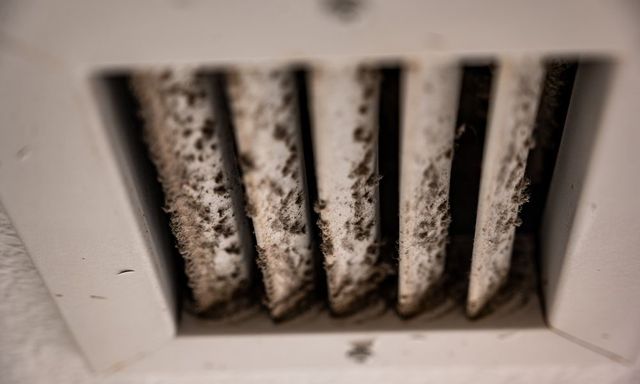
Why Mold Grows in Florida Homes – The Science Explained Simply for Homes in Tamarac
Homeowners in Tamarac ask this question all the time, usually after they’ve cleaned the same spot twice and watched mold come right back like it owns the place. The frustration makes sense. The home looks clean. The AC runs. Nothing flooded. So why does mold keep showing up?
The Three Things Mold Needs (And Florida Delivers All Three)
Mold growth follows a very simple formula. It doesn’t change by city, home size, or age.
The Mold Growth Formula
Mold needs:
- Moisture
- Organic material
- Time
Florida homes supply organic material everywhere. Drywall, wood, dust, insulation—it’s all food. Time isn’t an issue either, because moisture problems often go unnoticed. That leaves moisture as the main driver, and Tamarac homes deal with plenty of it.
Florida Humidity: The Biggest Mold Trigger
Humidity doesn’t look dangerous, which makes it easy to ignore.
Why Humidity Matters So Much
Warm air holds moisture. Florida air holds a lot of it. When humid air enters your home, that moisture stays unless something removes it effectively.
In Tamarac homes, we consistently find:
- Indoor humidity staying too high
- Surfaces drying slowly
- Condensation forming on cool materials
Mold doesn’t need standing water. It thrives on damp air alone.
Condensation: The Science Most Homeowners Miss
Condensation causes more mold growth than leaks in Florida homes.
How Condensation Actually Forms
When warm, humid air touches a cooler surface, moisture leaves the air and turns into water. That’s condensation.
This happens constantly on:
- Air vents
- HVAC ductwork
- Pipes
- Windows
- Inside wall cavities
In Tamarac homes, air conditioning runs frequently. Cold surfaces meet warm air nonstop. Condensation becomes routine, not accidental.
Air Conditioning: Helpful, Necessary, and Part of the Problem
AC systems don’t cause mold directly, but they play a major role in the science behind it.
Why AC Systems Create Mold-Friendly Conditions
As air cools, moisture condenses on evaporator coils. That moisture must drain properly and dry quickly.
Mold problems start when:
- Drain lines clog
- Coils stay dirty
- Systems short-cycle
- Duct insulation sweats
Unmanaged AC condensation feeds mold quietly, especially inside air handlers and ductwork.
Tight Construction Traps Moisture Inside Tamarac Homes
Modern homes seal tightly to improve energy efficiency. That efficiency comes with a tradeoff.
Moisture Has Fewer Escape Routes
Tightly sealed homes:
- Reduce airflow
- Slow drying
- Trap humid air indoors
Older homes often “breathe” more. Newer or renovated homes trap moisture more efficiently. Mold prefers trapped moisture over moving air every time.
Why Mold Starts Where You Don’t Look
Most mold growth begins out of sight.
Common Hidden Mold Locations We See
Inside Tamarac homes, mold often grows:
- Behind drywall
- Under sinks
- Inside HVAC systems
- In attics
- Inside wall cavities after small leaks
Homeowners clean visible surfaces while mold grows comfortably behind them. That’s not carelessness. That’s physics.
Attics: The Overlooked Science Experiment
Attics behave differently than living spaces.
Why Attics Become Mold Zones
Warm, humid air rises. In Florida, it rises into attics and gets trapped.
Without proper ventilation:
- Moisture builds up
- Insulation stays damp
- Roof decking absorbs condensation
We frequently find mold in attics before homeowners notice any interior signs. Attic mold slowly migrates downward over time.
Bathrooms and Laundry Rooms: Expected Moisture, Unexpected Results
Everyone knows bathrooms get wet. Few understand how that moisture moves.
Why Surface Drying Isn’t Enough
After showers or laundry:
- Moist air enters walls and ceilings
- Fans may not run long enough
- Moisture settles into insulation
Even when surfaces look dry, moisture stays trapped inside materials. Mold grows where towels and fans can’t reach.
Small Leaks Create Bigger Mold Problems Than Floods
This sounds backwards, but it’s true.
Why Slow Leaks Are More Dangerous
Floods get addressed immediately. Small leaks:
- Go unnoticed
- Keep materials damp long-term
- Feed mold continuously
We often trace mold growth in Tamarac homes back to leaks homeowners never knew existed. Mold doesn’t need drama. It prefers consistency.
Indoor Humidity: The Invisible Mold Accelerator
Humidity rarely gets measured, which makes it risky.
Why AC Alone Doesn’t Solve Humidity
AC cools air faster than it removes moisture in many cases, especially with short cycling systems.
High indoor humidity:
- Slows evaporation
- Keeps surfaces damp
- Allows mold spores to activate
Many Tamarac homes maintain humidity levels well above healthy ranges without realizing it.
Why Mold Keeps Coming Back After Cleaning
This frustrates homeowners the most.
Cleaning Fixes Symptoms, Not Conditions
When mold returns:
- Moisture still exists
- Hidden growth remains
- HVAC systems continue spreading spores
Cleaning removes visible mold. It doesn’t change the science that allowed mold to grow in the first place.
Mold Inspection: Understanding the Science in Real Life
Mold inspection focuses more on moisture than mold.
What Professional Inspection Identifies
A proper inspection finds:
- Moisture sources
- Condensation patterns
- Hidden mold growth
- HVAC contamination risks
Inspection translates science into practical solutions. It shows why mold exists, not just where.
Mold Testing: When Science Needs Confirmation
Testing isn’t always required, but it can add clarity.
When Mold Testing Makes Sense
Testing helps when:
- Symptoms exist without visible mold
- Air quality concerns persist
- HVAC contamination appears likely
- Documentation matters
Testing confirms exposure. Inspection explains the cause.
Mold Removal vs Mold Remediation: Science Makes the Difference
This distinction matters more than most people realize.
Why Mold Removal Alone Fails
Removal eliminates visible mold but ignores:
- Moisture sources
- Hidden growth
- Airborne spores
Mold Remediation Works Because It Changes Conditions
Effective remediation includes:
- Containment
- HEPA air filtration
- Removal of contaminated materials
- Moisture correction
- Preventive treatments
Remediation works because it disrupts the science mold relies on.
Why Florida Mold Feels “Different”
Florida mold isn’t more aggressive. The environment just favors it.
What Makes Florida Unique
- High humidity
- Warm temperatures
- Constant AC use
- Slow drying conditions
Mold doesn’t behave differently here. The conditions do.
Preventing Mold Growth in Tamarac Homes
Prevention works when homeowners focus on moisture.
Proven Prevention Steps
- Control indoor humidity
- Maintain AC drain lines
- Improve attic ventilation
- Fix leaks quickly
- Schedule regular inspections
Every step reduces moisture. Less moisture means less mold.
Final Thoughts: Mold Growth Follows Science, Not Luck
Mold grows in Florida homes because the science supports it. For homeowners in Tamarac, understanding that reality removes frustration and replaces it with control.
When moisture stays controlled, mold struggles to survive. Homes stay healthier. Air stays cleaner. And mold stops feeling random—because it never was.
