
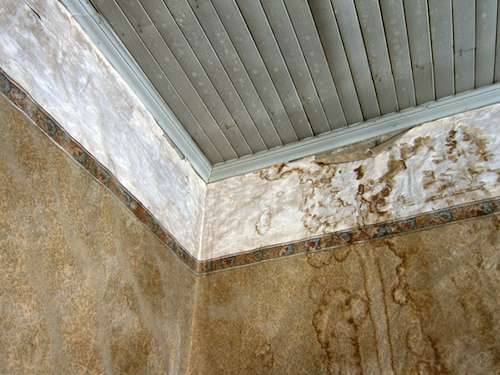
Why Mold Grows in Florida Homes – What Most People Get Wrong for Homes in North Lauderdale
Mold growth in Florida gets blamed on all sorts of things—dirty houses, bad luck, or one-off leaks. After real inspections inside homes across North Lauderdale, the truth is simpler and far more consistent: mold grows because everyday conditions quietly support it, not because homeowners are doing something wrong.
Here’s what most people get wrong—and what inspections actually show.
Mistake #1: Thinking Mold Needs a Big Water Event
Many homeowners assume mold only follows floods or major leaks.
In reality, inspections in North Lauderdale most often trace mold to:
- High indoor humidity
- AC condensation and drainage issues
- Small plumbing leaks behind walls
- Moisture that never fully dries
Mold doesn’t need drama. It just needs moisture that lingers.
Mistake #2: Believing Florida Homes “Breathe” Enough
People often think opening doors, running fans, or relying on the AC keeps homes dry.
Inspections show the opposite:
- Warm, humid outdoor air enters the home
- Moisture condenses on cool indoor surfaces
- Walls and ceilings trap humidity
- Airflow is uneven, especially in closets and spare rooms
Florida homes often trap moisture more than they release it.
Mistake #3: Assuming the AC Automatically Controls Humidity
This is one of the biggest misunderstandings.
In North Lauderdale homes, inspectors frequently find:
- AC systems cooling air quickly but removing little moisture
- Short cycling that limits dehumidification
- Dirty coils reducing moisture removal
- Standing water in drain pans
Cool air isn’t the same as dry air—and mold only cares about moisture.
Mistake #4: Thinking Mold Only Grows Where You See It
Visible mold is usually the end of the story, not the beginning.
Inspections commonly uncover growth:
- Behind drywall and baseboards
- Inside closets on exterior walls
- Around HVAC air handlers and ductwork
- Beneath sinks with slow leaks
By the time mold is visible, it’s often been growing quietly elsewhere for months.
Mistake #5: Believing Cleaning Stops Mold Growth
Cleaning removes stains—not conditions.
Inspectors regularly see:
- Mold returning in the same spots after cleaning
- Hidden growth feeding repeat outbreaks
- Moisture issues left untreated
As long as moisture remains, mold doesn’t care how clean the surface is.
Why North Lauderdale Homes See This So Often
Local conditions stack the odds:
- High humidity most of the year
- AC systems running nearly nonstop
- Condensation forming inside walls and HVAC systems
- Poor airflow in closets, corners, and spare rooms
Mold growth here is predictable—not mysterious.
What Actually Causes Mold to Grow
From real inspections, mold growth almost always requires:
- Moisture that doesn’t fully dry
- Organic materials (drywall paper, wood, dust)
- Limited airflow
- Time
Homes supply the materials automatically. Moisture and airflow decide the outcome.
What Actually Prevents Mold Growth
Homes that avoid mold long-term usually focus on:
- Controlling indoor humidity
- Fixing condensation and drainage issues
- Verifying materials are truly dry
- Improving airflow in low-use areas
- Addressing small moisture problems early
When moisture is managed, mold can’t gain traction.
The Real Takeaway
The biggest thing people get wrong about mold in North Lauderdale homes is thinking it’s random or unavoidable.
It’s not.
Mold grows because conditions allow it to—and those conditions are measurable, manageable, and fixable. Control moisture, improve airflow, and mold loses what it needs to survive.
No fear tactics. Just what real inspections keep showing, home after home.
