
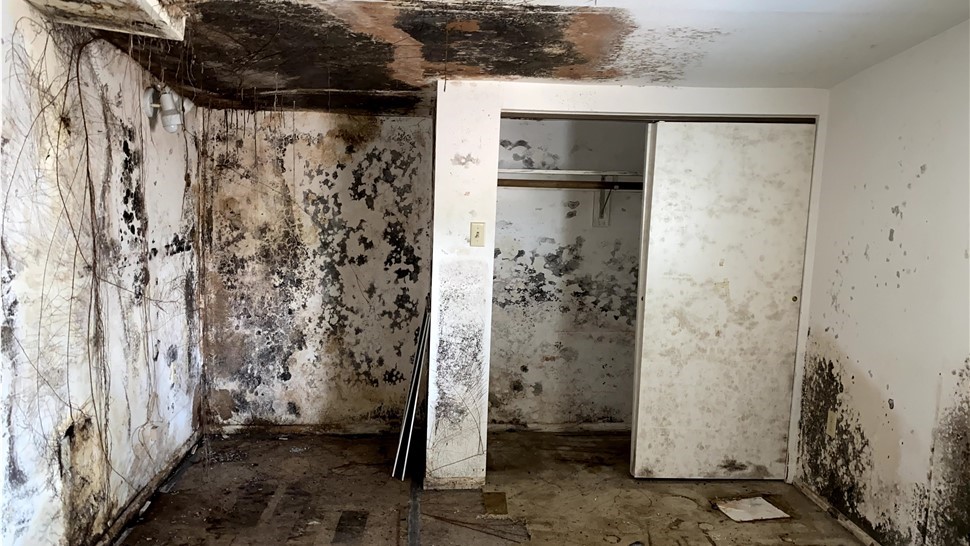
Why Mold Grows in Florida Homes – What Most People Get Wrong for Homes in Oakland Park
Ask ten homeowners in Oakland Park why mold grows in Florida homes and you’ll get ten confident answers—most of them wrong. Some blame dirty houses. Others blame old construction. A few think mold only shows up after floods or hurricanes. What we actually see inside homes tells a very different story.
Mold growth in Florida isn’t mysterious or rare. It’s predictable, boring, and driven by a few misunderstood factors that most people overlook completely. This article breaks down what homeowners in Oakland Park usually get wrong about mold, what inspections consistently reveal instead, and why those misunderstandings end up costing more in the long run.
Mistake #1: Thinking Mold Only Grows in “Neglected” Homes
This misconception keeps mold problems alive.
Why Clean Homes Still Grow Mold
We inspect plenty of Oakland Park homes that are:
- Well maintained
- Regularly cleaned
- Recently renovated
Mold doesn’t care how tidy a home looks. It cares about moisture, temperature, and airflow. Clean surfaces don’t stop mold growth when conditions stay favorable behind walls or inside systems.
Mistake #2: Believing Leaks Are the Only Cause
Leaks get blamed because they’re visible.
What Inspections Actually Show
In Oakland Park homes, mold often grows due to:
- High indoor humidity
- AC condensation issues
- Poor ventilation
- Moist air trapped inside walls
Many homes with mold problems never experienced a major leak. Humidity alone can support mold growth in Florida homes.
Mistake #3: Assuming Cooling the Home Removes Moisture
This one causes endless confusion.
Why AC Doesn’t Automatically Fix Humidity
Air conditioners lower temperature first. Moisture removal depends on:
- Proper system sizing
- Adequate runtime
- Balanced airflow
- Clean drainage
In many Oakland Park homes, AC systems cool spaces quickly but shut off before removing enough moisture. The house feels cool, but the air stays damp—and mold loves that.
Mistake #4: Thinking Mold Starts Where You See It
Visible mold usually shows up late.
Where Mold Actually Begins
Based on inspections, mold in Oakland Park homes often starts:
- Behind drywall
- Inside wall cavities
- In HVAC systems
- In attics
- Under flooring
By the time mold appears on a wall or vent, hidden growth usually exists elsewhere too.
Mistake #5: Believing Mold Smell Is Always Obvious
People rely on odor as proof.
Why Mold Often Has No Smell at First
Many mold cases involve:
- No strong musty odor
- No visible staining
- No obvious water damage
Mold can release spores into the air without producing noticeable smells. Waiting for odor delays action and allows growth to spread.
Mistake #6: Assuming Newer or Renovated Homes Are Safe
Fresh paint creates false confidence.
Why Newer Homes Still Grow Mold
Modern and renovated homes often:
- Seal tighter
- Reduce natural airflow
- Trap humidity inside
We inspect newer Oakland Park homes with hidden mold behind brand-new drywall because moisture had nowhere to escape.
Mistake #7: Treating Mold as a Surface Problem
This mistake leads to repeat cleaning.
Why Surface Cleaning Doesn’t Work
Surface cleaning:
- Improves appearance
- Doesn’t remove hidden growth
- Doesn’t address moisture
Homeowners often say mold “came back.” In reality, it never stopped growing where cleaning couldn’t reach.
Mistake #8: Ignoring the Role of HVAC Systems
HVAC systems shape mold behavior more than people realize.
What We Find Inside HVAC Systems
In Oakland Park homes, inspections frequently reveal:
- Mold on evaporator coils
- Standing water in drain pans
- Damp internal insulation
- Mold inside air handlers
Once mold reaches the HVAC system, spores circulate throughout the home, turning a localized issue into a whole-house problem.
Mistake #9: Thinking Attics Don’t Matter
Attics quietly fuel many mold problems.
Common Attic Conditions We See
In Oakland Park attics, inspections often find:
- Damp insulation
- Condensation on roof decking
- Mold near exhaust vents
Warm, humid air rises and gets trapped. Over time, attic mold spreads downward into ceilings and walls.
Mistake #10: Waiting Until Mold Looks “Serious”
This delay drives up costs.
Why Waiting Backfires
When homeowners wait:
- Mold spreads deeper into materials
- More areas become contaminated
- HVAC involvement becomes likely
What could have been limited remediation often turns into drywall removal, insulation replacement, and higher overall costs.
Why Mold Thrives So Easily in Oakland Park Homes
Location changes the rules.
Local Factors That Matter
Homes in Oakland Park deal with:
- Persistent humidity
- Heavy AC usage
- Slow indoor drying
- Tight construction trapping air
These conditions allow mold to grow faster when moisture goes unchecked.
Health Symptoms Often Show Up Before Visible Mold
Mold affects people first.
What Homeowners Commonly Report
In homes with hidden mold, we often hear about:
- Allergy symptoms indoors
- Headaches or fatigue
- Scratchy throat
- Symptoms improving outside
These signs often trigger inspections that uncover hidden growth.
Mold Inspection Corrects Common Assumptions
Inspection replaces guesswork with facts.
What Inspection Reveals
A proper inspection identifies:
- Hidden mold locations
- Moisture sources
- HVAC involvement
- True remediation scope
This clarity prevents over-cleaning, under-treatment, and repeat problems.
Mold Testing: When It Helps Clear Confusion
Testing isn’t always necessary, but it has value.
When Testing Makes Sense
Testing supports inspection when:
- Symptoms exist without visible mold
- HVAC contamination seems likely
- Documentation is needed
Testing confirms exposure. Inspection explains the cause.
Mold Removal vs Mold Remediation: Why People Get This Wrong
These terms get mixed up constantly.
Why Mold Removal Alone Fails
Mold removal:
- Treats visible areas
- Leaves hidden growth
- Ignores moisture
Why Mold Remediation Works
Proper remediation includes:
- Containment to prevent spore spread
- HEPA air filtration
- Removal of contaminated materials
- Moisture correction
- Preventive treatments
Remediation stops mold from coming back.
Practical Advice for Oakland Park Homeowners
You don’t need fear. You need accuracy.
Smart Mold-Prevention Steps
- Control indoor humidity
- Address condensation early
- Maintain HVAC systems
- Inspect before mold spreads
- Fix causes instead of stains
Each step limits mold’s ability to grow.
When Mold Problems Need Immediate Attention
Act quickly when:
- Mold appears in multiple areas
- Mold returns after cleaning
- HVAC systems smell musty
- Health symptoms worsen indoors
Waiting rarely improves outcomes.
Final Thoughts: Mold Grows Because Conditions Allow It
Mold doesn’t grow in Florida homes because homeowners do something wrong. It grows because climate, humidity, and airflow work against them quietly. What most people get wrong is assuming mold needs a big event to start. It doesn’t.
Understand moisture. Respect humidity. Inspect early. When homeowners in Oakland Park correct these misunderstandings, mold stays manageable, costs stay lower, and homes stay healthier long-term.
