
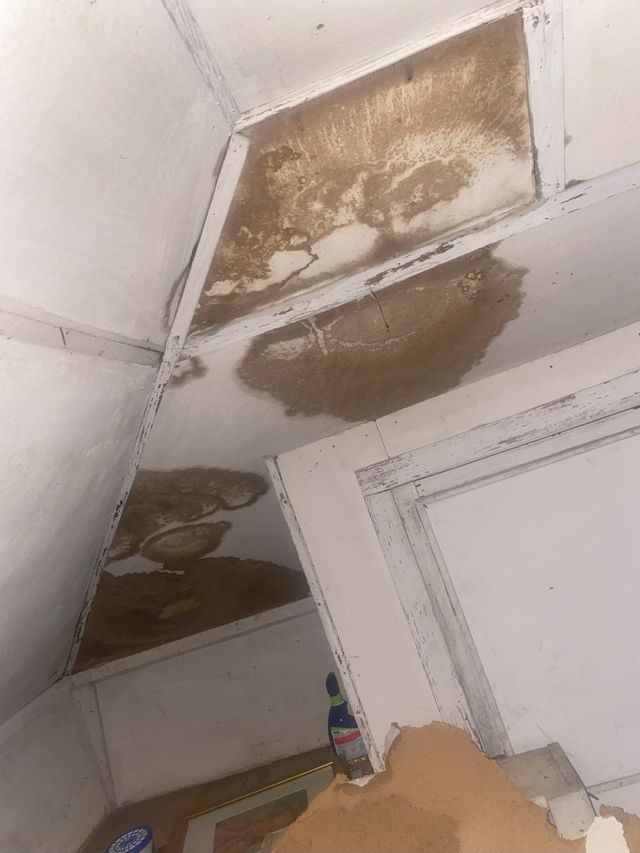
Why Mold Grows in Florida Homes – What the Data Tells Us for Homes in Broward County
If you live in Broward County, mold is not a rare or unusual problem—it’s a predictable outcome of Florida’s climate, building patterns, and daily living conditions. Despite how common mold issues are across South Florida, many homeowners still believe mold growth is caused by neglect, poor cleaning habits, or dramatic water disasters. The data tells a very different story.
When we look at inspection trends, humidity data, building science, and long-term environmental patterns, one conclusion is clear: Florida homes are naturally mold-prone unless moisture is actively controlled. This article breaks down why mold grows so easily in Broward County homes, using real-world data and simple explanations—not fear tactics.
Florida’s Climate Is the #1 Driver of Mold Growth
Broward County sits in a subtropical climate zone, which means warm temperatures and high humidity dominate most of the year. From a mold perspective, this is critical.
Data shows:
- Average annual humidity often exceeds 70%
- Summer indoor humidity regularly rises above safe thresholds
- Mold can grow when humidity stays above 60%
Unlike colder climates where mold growth is seasonal, Florida’s climate allows mold to remain active year-round.
Mold Needs Three Things—and Florida Supplies All of Them
From a scientific standpoint, mold growth requires only three elements:
- Moisture
- Organic material (dust, drywall, wood, insulation)
- Time
Broward County homes naturally provide all three.
Even in clean homes, microscopic dust settles inside walls, ducts, and ceilings. Combine that with constant humidity and uninterrupted time, and mold growth becomes a matter of when, not if.
Indoor Humidity Levels Are the Biggest Problem
According to building science standards, indoor humidity should ideally stay between 40–55%. In Broward County, data collected from residential inspections frequently shows:
- Indoor humidity levels in the mid-60s
- Spikes into the 70% range during summer months
- Elevated humidity in bedrooms and closets
These levels are high enough to support mold growth even without visible water leaks.
Air Conditioning Helps—But Also Creates Mold Conditions
Air conditioning is essential in Florida, but it also introduces a paradox. While AC cools the air, it also creates condensation, which is one of the leading contributors to mold growth.
Data from HVAC inspections shows mold commonly forming in:
- Supply plenums
- Air handlers
- Duct interiors
- Duct insulation in attics
When cold air moves through poorly insulated ducts surrounded by hot, humid attic air, condensation forms—and mold follows.
Attics Are One of the Most Overlooked Mold Zones
Broward County attic temperatures can exceed 130°F while indoor air stays cool. That temperature difference causes condensation on ductwork and roof decking.
Inspection data consistently shows:
- Mold on duct insulation
- Mold on roof sheathing
- Mold spreading unnoticed for years
Because attics are rarely entered, mold growth there often goes undetected while spores circulate through the home.
Modern Homes Are More Airtight—but Not Always Drier
Newer homes in Broward County are built to be energy efficient. While that reduces energy costs, it can also trap moisture indoors if ventilation is inadequate.
Data trends show:
- Newer homes can develop mold faster than older ones
- Poor air exchange allows humidity to accumulate
- Tight construction without dehumidification increases risk
Energy efficiency without moisture management creates ideal mold conditions.
Minor Leaks Cause More Mold Than Major Floods
Contrary to popular belief, most mold growth in Broward County homes is not caused by hurricanes or flooding. Data shows mold more often results from:
- Slow plumbing leaks
- AC drain line issues
- Roof seepage
- Window condensation
Small, ongoing moisture problems allow mold to grow quietly over long periods.
Bathrooms and Laundry Rooms Are High-Risk Areas
Moisture data consistently identifies bathrooms and laundry rooms as mold hotspots due to:
- Steam from showers
- Inadequate exhaust ventilation
- Poor airflow
- High surface humidity
Even daily showers without proper ventilation can raise humidity levels enough to support mold growth over time.
HVAC Ducts Turn Local Mold Into a Whole-Home Issue
When mold grows inside ductwork, it becomes a distribution problem. Airflow spreads spores throughout the home, affecting:
- Bedrooms
- Living areas
- Closets
- Indoor air quality
Inspection data shows homes with duct mold often have more widespread contamination than homes with isolated surface mold.
Florida’s Rainfall Patterns Add to the Risk
Broward County receives heavy rainfall, especially during summer. Even without flooding, data shows increased mold activity during:
- Prolonged rainy periods
- Storm seasons
- Extended cloudy, humid days
Moist outdoor air infiltrates homes through doors, windows, and duct leaks, raising indoor humidity levels.
Mold Does Not Require Visible Water Damage
One of the most important data-backed insights is this: mold does not need visible water damage to grow.
In Broward County homes, mold frequently develops:
- Behind walls
- Inside duct insulation
- Under flooring
- Inside closets
By the time mold is visible, it has often been present for months or years.
Health Complaints Often Precede Visible Mold
Inspection data frequently aligns with homeowner complaints such as:
- Persistent allergies
- Sinus irritation
- Chronic coughing
- Musty odors
- Fatigue
In many cases, health symptoms appear before homeowners ever see mold. The data supports what many residents experience—mold exposure often begins invisibly.
Cleaning Alone Does Not Change the Data
Routine cleaning improves appearance, but it does not change humidity levels or airflow patterns. Data shows mold returns when:
- Moisture sources remain
- Humidity is uncontrolled
- Duct issues are unresolved
Prevention must be structural and environmental, not cosmetic.
The Data Points to Prevention, Not Panic
When we step back and look at the data, the solution becomes clear. Mold growth in Broward County homes is driven by:
- Climate
- Humidity
- Building design
- HVAC behavior
Effective prevention focuses on:
- Controlling indoor humidity
- Proper duct insulation and sealing
- Adequate ventilation
- Addressing condensation points
Homes that manage moisture consistently experience far fewer mold issues—regardless of age or size.
The Bottom Line for Broward County Homeowners
Mold growth in Florida homes is not a mystery, and it’s not a personal failure. The data shows it’s the natural result of living in a hot, humid environment where moisture is always present.
Understanding why mold grows allows homeowners to shift from reactive cleanup to proactive prevention. When humidity, airflow, and condensation are properly managed, mold struggles to survive—even in Broward County.
Knowledge backed by data leads to smarter decisions, healthier homes, and far fewer surprises.
