
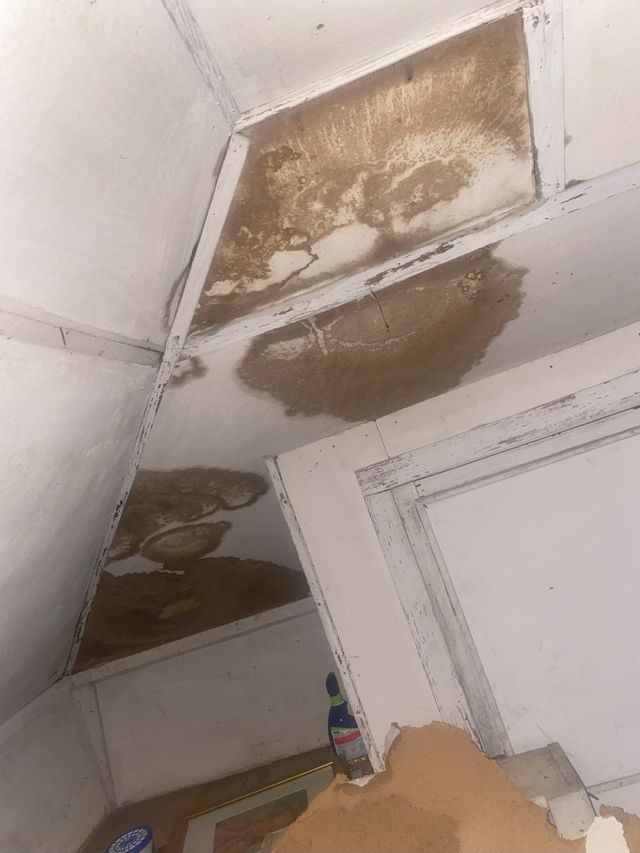
Why Mold Grows in Florida Homes – What the Data Tells Us for Homes in Fort Lauderdale
Mold growth in Florida homes isn’t random, and it definitely isn’t bad luck. When you look at real inspection data from homes across Fort Lauderdale, clear patterns show up fast. Same moisture sources. Same building conditions. Same mistakes homeowners make without realizing it. The numbers tell a story, and it’s far less mysterious than most people think.
Data Point #1: Most Mold Starts Without Flooding or Major Leaks
This surprises almost everyone.
What Inspection Data Shows
Across Fort Lauderdale inspections, the majority of mold cases begin with:
- AC condensation issues
- Elevated indoor humidity
- Small, slow plumbing leaks
- Poor ventilation
Large floods grab attention, but everyday moisture causes far more mold growth. Data consistently shows that quiet moisture problems cause more mold than dramatic water events.
Moisture Readings Tell the Real Story
Visual inspections rarely tell the full truth.
What Moisture Data Reveals Inside Homes
In Fort Lauderdale homes with mold, moisture readings often show:
- Elevated moisture inside drywall
- Damp insulation behind walls
- Condensation on HVAC components
- Humidity above healthy indoor ranges
Even when walls look dry, moisture meters tell a different story. Mold follows those readings every time.
HVAC Systems Appear in a Huge Percentage of Mold Cases
This pattern shows up again and again.
HVAC-Related Mold by the Numbers
Inspection data frequently links mold growth to:
- Air handlers with persistent condensation
- Dirty evaporator coils
- Clogged or slow drain lines
- Mold-contaminated duct liners
Once mold enters the HVAC system, spores circulate throughout the home. That’s why Fort Lauderdale homeowners often see mold appear in multiple rooms with no obvious connection.
Attics Show Up More Than Homeowners Expect
Attics rarely get blamed, but the data says they should.
What Attic Inspections Consistently Find
Across Fort Lauderdale homes requiring remediation, attic inspections often reveal:
- Poor ventilation
- Condensation on roof decking
- Damp insulation
- Mold near vents
Warm, humid air rises and gets trapped. Over time, attic mold spreads downward into ceilings and walls. Data shows attic issues frequently appear before interior mold becomes visible.
Indoor Humidity Alone Triggers Mold in Many Homes
Not every mold case involves a leak.
What Humidity Data Confirms
In many Fort Lauderdale homes with mold:
- No active leak exists
- Indoor humidity stays consistently high
- Drying happens too slowly
High humidity keeps surfaces damp long enough for mold to grow. Data confirms humidity alone often creates mold-friendly conditions, especially in closets, HVAC systems, and behind furniture.
Mold Grows Faster in Homes With Heavy AC Use
This one connects directly to Fort Lauderdale living.
What Cooling Patterns Reveal
Homes running AC constantly often show:
- Frequent condensation cycles
- Short system run times
- Moisture buildup on cold surfaces
AC cools air quickly, but cooling doesn’t always mean dehumidifying. Data shows homes with short-cycling or oversized systems experience more moisture-related mold problems.
The Timing Factor: Early vs Late Detection
Timing shows up clearly in the numbers.
What the Data Shows About Delay
Inspection and remediation data consistently shows:
- Early inspections lead to smaller mold areas
- Delayed inspections lead to wall and ceiling removal
- Late action significantly increases costs
Mold doesn’t slow down while homeowners wait. Data proves early detection keeps problems manageable.
Mold Type Matters Less Than Conditions
This runs against popular belief.
What Data Confirms About Mold Types
Across hundreds of cases:
- Mold species vary widely
- Moisture patterns stay consistent
- Conditions predict growth better than type
Fix moisture, and mold stops growing regardless of species. Ignore moisture, and mold returns—every time.
HVAC Contamination Correlates With Health Complaints
This connection shows up repeatedly.
What Homeowners Report Before Remediation
Data from inspection histories often aligns HVAC mold with:
- Allergy symptoms indoors
- Respiratory discomfort
- Headaches or fatigue
- Whole-house air quality complaints
After proper remediation, many homeowners report noticeable improvement. The correlation appears too often to ignore.
DIY Cleanup Appears in Many Escalated Cases
The data doesn’t judge—it just shows patterns.
What Happens After DIY Attempts
In many Fort Lauderdale mold cases:
- Homeowners cleaned visible mold
- Moisture sources stayed active
- Mold returned and spread
By the time professionals got involved, remediation scope increased. Data consistently shows DIY cleanup delays proper correction and increases cost.
Mold Removal vs Mold Remediation: Data Makes the Difference Clear
Outcomes speak louder than theory.
What Remediation Outcomes Show
Projects focused only on removal often show:
- Higher recurrence rates
- Continued moisture issues
- Ongoing air quality complaints
Projects focused on full remediation show:
- Lower recurrence
- Improved indoor air quality
- Better long-term results
The difference shows up clearly in follow-up inspections.
Fort Lauderdale Homes Share Specific Risk Factors
Local conditions matter, and data reflects that.
Fort Lauderdale–Specific Patterns
Mold cases here frequently involve:
- Coastal humidity
- Heavy AC usage
- Tight construction trapping moisture
- Attics with limited ventilation
These factors quietly pressure homes until mold finds opportunity.
Prevention Patterns Are Just as Clear
Homes that avoid mold share similar habits.
What Low-Risk Homes Do Differently
Inspection data shows these homes:
- Control indoor humidity
- Maintain HVAC systems regularly
- Address condensation early
- Schedule inspections sooner
Prevention doesn’t require perfection. It requires consistency.
When Mold Growth Becomes Likely
Based on data, mold risk rises sharply when:
- Humidity stays high
- Condensation appears regularly
- HVAC systems show moisture buildup
- Inspections get delayed
Waiting past this point increases both scope and cost.
What Homeowners Should Learn From the Data
The numbers stay consistent.
Key Takeaways From Real Data
- Mold growth starts with moisture
- HVAC systems amplify spread
- Attics play a bigger role than expected
- Delays increase damage and cost
- Early inspections reduce mold growth
Data removes emotion from decisions and replaces it with clarity.
Final Thoughts: Mold Growth in Florida Follows Predictable Patterns
Mold growth in Florida homes doesn’t happen by chance. It follows moisture, airflow, and time. For homeowners in Fort Lauderdale, the data tells a clear story.
Control moisture early. Inspect before mold spreads. Fix conditions instead of chasing symptoms. When homeowners act on what the data shows, mold stops being a mystery—and starts being a preventable problem instead.
