
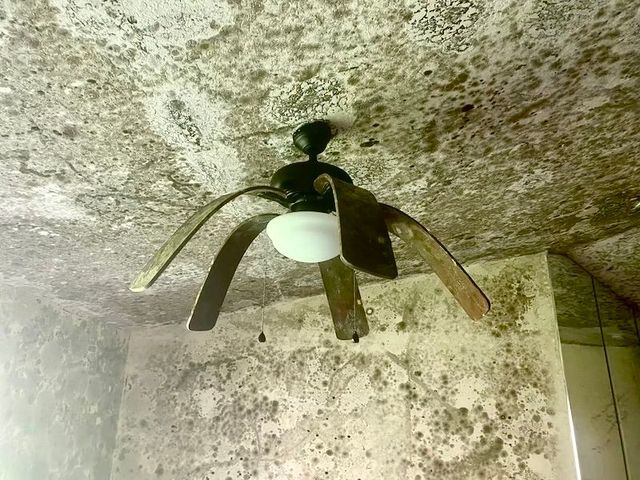
Why Mold Grows in Florida Homes – What the Data Tells Us for Homes in South Florida
Mold growth in Florida homes isn’t random, unlucky, or inevitable. It’s predictable. When we step back and look at inspection data across homes in South Florida, the same causes show up again and again. Not floods. Not dirty houses. Moisture patterns. HVAC behavior. And how homes actually interact with humidity.
This article isn’t based on opinions or scare tactics. It’s built on inspection results, moisture readings, HVAC evaluations, and air quality data collected across hundreds of homes. Once you see the patterns, mold growth stops feeling mysterious and starts feeling mechanical.
The Biggest Data Finding: Moisture Is the Constant
Every mold inspection dataset points to one unavoidable conclusion. Mold growth follows moisture, not age, price, or cleanliness of the home.
Across South Florida homes, mold findings correlate most strongly with:
- Elevated indoor humidity
- HVAC condensation problems
- Poor ventilation
- Duct leakage and insulation failures
Major leaks and floods show up far less often than people expect. Chronic, low-level moisture dominates the data.
Why South Florida Creates Ideal Mold Conditions
Humidity Stays High for Long Periods
South Florida doesn’t just get humid. It stays humid.
Inspection data shows that homes rarely get enough dry-out time between humid periods. Moisture accumulates gradually inside:
- Walls
- Ceilings
- Duct systems
- Insulation
Mold doesn’t need standing water. It needs materials that stay slightly damp for extended periods, and this climate delivers that consistently.
Homes Don’t “Reset” Naturally
In drier climates, homes periodically dry out. South Florida homes often don’t.
Without active moisture control, humidity levels remain elevated long enough for mold conditions to stabilize. The data shows mold growth accelerates once moisture becomes consistent, not extreme.
The AC Myth the Data Keeps Exposing
Cooling Does Not Equal Dehumidifying
One of the clearest patterns in inspection data involves HVAC sizing and run time.
Oversized HVAC systems appear frequently in homes with mold findings. These systems:
- Cool air quickly
- Shut off early
- Remove less moisture
The home feels comfortable. Moisture remains. Mold conditions improve quietly.
Data repeatedly shows mold growth in homes that feel cool but stay humid.
Short Cycling Shows Up Again and Again
Short HVAC run cycles correlate strongly with:
- Condensation inside air handlers
- Damp duct interiors
- Elevated indoor humidity
Cooling performance masks moisture problems until mold shows up later.
HVAC Systems Dominate Mold Inspection Findings
Air Handlers Appear in a High Percentage of Cases
Across South Florida inspections, air handlers show up as a primary mold location far more often than walls or ceilings.
Why?
- They create condensation by design
- They collect dust easily
- They stay dark and enclosed
Data shows that when air handlers experience drainage or airflow issues, mold findings rise sharply.
Drain Line Failures Outnumber Plumbing Leaks
Clogged drain lines and rusted drain pans appear more frequently than burst pipes in mold-positive homes.
Standing water inside HVAC systems creates stable moisture conditions. Once mold establishes there, airflow distributes spores throughout the home.
The data is clear: HVAC moisture leads to whole-home exposure.
Ductwork Data Tells a Consistent Story
Leaky Ducts Increase Mold Risk
Inspection data shows a strong correlation between duct leakage and mold findings.
Leaky ducts pull humid air from:
- Attics
- Wall cavities
- Utility spaces
That humid air condenses inside cooler ductwork. Dust supplies food. Mold grows quietly.
Homes with sealed duct systems show fewer recurring mold issues over time.
Flexible Ducts Appear More Often in Mold Cases
Flexible ducts show higher involvement than metal ducts in mold-positive inspections.
They:
- Trap dust easily
- Retain moisture longer
- Sag and collect condensation
Once contaminated, they dry slowly and support persistent growth unless moisture issues get corrected.
Condensation Beats Leaks in the Data
Why Condensation Causes More Mold Than Floods
Floods cause damage fast. Condensation causes damage quietly.
Inspection data shows condensation as a dominant moisture source in mold cases, especially in:
- Duct systems
- Air handlers
- Wall cavities
- Behind bathroom walls
Condensation doesn’t look alarming. It just keeps materials damp long enough for mold to thrive.
Small Condensation Repeats Matter More Than Big Events
The data shows that repeated minor condensation causes more mold growth than one-time water events that dry quickly.
Mold responds to stability, not drama.
Bathrooms and Kitchens Show Up Frequently in Inspections
Ventilation Failures Repeat Constantly
A significant percentage of mold-positive homes show bathroom ventilation problems.
Common data-backed findings include:
- Fans venting into attics
- Fans with low airflow
- Fans that shut off too soon
These setups allow moisture to migrate into walls and ceilings, where mold grows unnoticed.
Kitchens and Laundry Rooms Add to the Load
Cooking, dishwashing, and laundry release moisture regularly. Without proper ventilation, that moisture accumulates indoors.
Data shows moisture-producing rooms cluster around mold findings more often than random areas.
Hidden Mold Appears More Than Visible Mold
One of the most surprising data points for homeowners is this: hidden mold appears more frequently than visible mold in South Florida inspections.
Most confirmed growth shows up:
- Inside HVAC systems
- Behind drywall
- Under flooring
- Inside wall cavities
This explains why homeowners feel blindsided. They don’t miss obvious signs. Mold simply hides better than expected.
Air Sampling Patterns Back This Up
Indoor vs Outdoor Comparisons Matter
Professional mold inspections compare indoor air to outdoor baselines.
Data supports HVAC involvement when:
- Indoor spore counts exceed outdoor levels
- Similar spore types appear across multiple rooms
- Elevated readings appear near vents
These patterns point to system-level spread rather than isolated surface growth.
Consistency Beats One High Result
One elevated air sample doesn’t drive decisions. Patterns do.
Data-driven inspections look for:
- Repetition across rooms
- Correlation with HVAC operation
- Alignment with moisture readings
This approach prevents both overreaction and missed sources.
Health Complaints Align With Exposure Data
Symptoms Match HVAC Involvement
Homes with HVAC-related mold findings often report:
- Symptoms worse indoors
- Relief outside the home
- Chronic congestion or coughing
- Fatigue and headaches
These patterns align closely with continuous exposure rather than isolated contact.
Duration Matters More Than Severity
The data shows long-term, moderate exposure causes more complaints than short-term spikes.
HVAC systems create daily exposure cycles, which explains lingering symptoms.
Cost Data Shows Timing Matters Most
Early Action Saves Money
Homes inspected early typically require:
- Moisture control adjustments
- HVAC maintenance
- Ventilation improvements
These fixes stay manageable and affordable.
Delayed Action Expands Scope
Homes inspected late often require:
- Larger remediation areas
- HVAC remediation
- Material removal
- Longer project timelines
Same moisture source. Different timing. Much higher cost.
DIY Cleaning Doesn’t Change the Data
Inspection data after DIY attempts shows consistent patterns:
- Mold returns quickly
- Hidden growth remains active
- HVAC systems stay contaminated
Cleaning visible mold doesn’t affect moisture or airflow. Data confirms that moisture control—not scrubbing—changes outcomes.
What the Data Says Actually Works
Across South Florida inspections, certain actions consistently correlate with fewer mold problems:
- Controlling indoor humidity
- Maintaining HVAC systems
- Sealing and insulating ductwork
- Fixing condensation early
- Venting moisture-producing rooms properly
Homes that follow these practices show fewer repeat findings over time.
FYI, none of these require extreme renovations or panic-driven decisions.
What Most People Get Wrong About Mold Growth
The data highlights recurring misunderstandings:
- Waiting for visible mold
- Assuming AC controls humidity automatically
- Ignoring HVAC systems
- Treating mold as a surface issue
- Delaying inspections
Each misunderstanding allows moisture conditions to stabilize and mold to spread quietly.
Lessons From South Florida Homes, Repeated Consistently
When inspection results get reviewed side by side, the same lesson appears every time. Mold growth in South Florida homes follows predictable rules.
Homes that manage moisture early avoid major problems. Homes that rely on cleaning, paint, or assumptions repeat the same cycle.
IMO, mold stops feeling overwhelming once homeowners understand it’s a moisture and airflow problem, not a mystery.
Practical Takeaways From the Data
Here’s the short version the data keeps repeating:
- Mold follows moisture
- HVAC systems amplify exposure
- Condensation matters more than leaks
- Hidden growth appears first
- Early action limits cost
That’s not marketing. That’s repetition across inspections.
Final Thoughts: Data Makes Mold Predictable
Mold grows in Florida homes for the same reasons over and over again. Homes in South Florida don’t struggle because they’re unlucky or poorly maintained. They struggle because moisture behaves differently here, and most people misunderstand that behavior.
When homeowners stop guessing and start managing humidity, airflow, and HVAC moisture, mold growth stops feeling inevitable. The data doesn’t exaggerate or panic. It simply shows patterns, and those patterns give homeowners the power to prevent mold instead of constantly reacting to it.
