
Why Mold Grows in Florida Homes – What the Data Tells Us for Homes in Tamarac
If you live in Tamarac, Florida, you probably already know the drill: humidity is constant, rain is frequent, and AC units run year-round. Add in older construction materials, minor leaks, and poor ventilation, and you’ve got the perfect recipe for mold.
Most homeowners see a small stain on drywall or a musty odor and think it’s no big deal. The truth? Data from real inspections and remediation projects shows that what you see is only the tip of the iceberg. Hidden moisture and spores are often lurking behind walls, under floors, or inside HVAC systems, slowly compromising your home and your health.
In this article, we’ll break down why mold grows in Tamarac homes, what the data reveals about hidden risks, common homeowner misconceptions, and practical strategies for prevention and remediation.
Florida’s Climate: A Mold Magnet
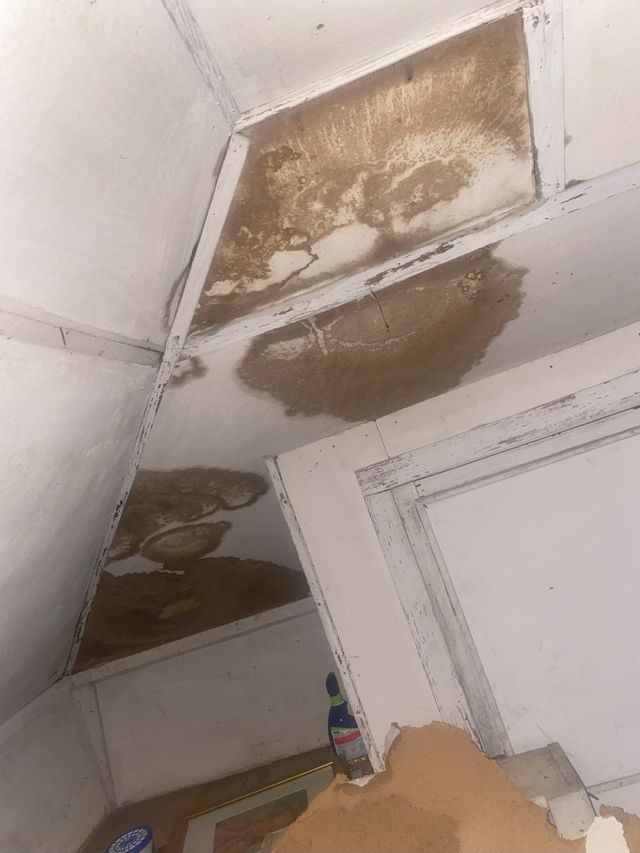
Let’s start with the obvious: Florida is humid. Tamarac is no exception. High humidity creates an ideal environment for mold spores to thrive.
- Average relative humidity in Tamarac hovers around 70% year-round, far above the 55% threshold mold loves.
- Frequent thunderstorms and rain events increase the likelihood of hidden water intrusion.
- Older homes often have drywall, wood, and carpet padding that absorb moisture, providing a cozy environment for mold to grow.
Even if a home looks dry on the surface, hidden pockets of moisture often go unnoticed, allowing colonies to expand over months or even years.
What the Data Tells Us About Mold Growth
Data from real home inspections in Tamarac reveals some key insights:
- 85% of homes with water stains had hidden mold behind walls or under flooring.
- 70% of musty odor complaints were linked to mold that homeowners couldn’t see.
- 60% of HVAC systems inspected showed some level of contamination, even when visible mold was absent.
In other words, if you see a small patch of mold, there’s a good chance there’s more you can’t see. Mold isn’t just cosmetic—it’s structural and airborne.
Hidden Moisture Sources in Tamarac Homes
During inspections, we frequently find that homeowners miss these sources:
1. HVAC Systems
- Evaporator coils and air handlers often retain moisture.
- Clogged AC drain lines cause backups that saturate nearby materials.
- Duct contamination spreads spores throughout the home.
Even with routine AC maintenance, hidden mold inside ducts or coil pans can compromise indoor air quality.
2. Plumbing Leaks
- Small pipe leaks behind walls
- Water heater seepage
- Toilet flange leaks
These minor issues often go unnoticed until mold becomes visible or odors appear.
3. Roof and Attic Issues
- Minor roof leaks during storms
- Poor attic ventilation
- Insulation dampness
Attics often harbor hidden mold colonies, especially in older Tamarac homes where ventilation is inadequate.
4. Window and Door Condensation
- Older windows or sliding doors can trap condensation
- Moisture seeps into sills, frames, and walls
- Over time, this feeds mold growth behind finishes
5. Slab and Foundation Moisture
- Concrete slabs can allow moisture to rise into flooring
- Laminate, tile, or carpeting over slabs can trap water
- Hidden mold under floors often goes unnoticed until it’s advanced
Health Implications of Hidden Mold
Mold isn’t just a structural problem; it impacts indoor air quality and human health. Long-term exposure can lead to:
- Respiratory issues: Chronic coughing, wheezing, and asthma exacerbation
- Allergic reactions: Sneezing, itchy eyes, nasal congestion
- Fatigue and cognitive effects: Brain fog and low energy
- Skin irritation: Rashes and hives
Children, seniors, and individuals with pre-existing conditions are particularly vulnerable. Many homeowners don’t realize their home is the source until symptoms improve when leaving the house.
Common Homeowner Misconceptions
- “If I can’t see mold, it isn’t there.” Wrong. Hidden growth behind walls, under floors, or in HVAC systems is common.
- “Bleach or spray cleaners fix mold.” Nope. They remove visible spores but leave hyphae in porous materials untouched.
- “Only black mold is dangerous.” False. Many types of mold—Aspergillus, Cladosporium, and more—can affect health.
Ignoring these misconceptions leads to recurring problems and increased remediation costs.
Effective Mold Removal Strategies
Professional remediation in Tamarac homes usually follows a data-driven approach:
Step 1: Identify Moisture Sources
- Plumbing leaks, AC condensation, roof leaks, and slab moisture must be located and fixed.
Step 2: Containment
- Use plastic barriers and negative air machines to prevent spores from spreading during cleanup.
Step 3: Removal of Contaminated Materials
- Drywall, insulation, and carpets are removed when necessary.
- Non-porous surfaces are cleaned and disinfected.
Step 4: HVAC Cleaning
- HEPA vacuuming and antimicrobial treatment for ducts and coils.
- Ensuring air handlers are dry before restarting.
Step 5: Post-Remediation Verification
- Air and surface testing confirms that spore counts are safe.
Data shows homes that follow these steps have far lower recurrence rates than those relying on DIY cleaning.
Prevention Is Better Than Cure
- Keep indoor humidity between 45–55%
- Vent bathrooms, kitchens, and laundry areas to the outside
- Inspect roofs, plumbing, and HVAC systems regularly
- Address musty odors immediately
- Use moisture meters or thermal imaging for hidden leaks
Even small preventive steps drastically reduce long-term risks.
The Bottom Line
Data from Tamarac homes makes one thing clear: mold growth is almost always tied to hidden moisture. Surface stains or musty odors are just warning signs. Ignoring them can lead to:
- Health issues from airborne spores
- Structural damage
- Increased remediation costs
- Reduced indoor air quality
Professional inspection, proper remediation, and moisture control are key to protecting both your home and your family.
If you notice recurring stains, unexplained odors, or allergy-like symptoms, don’t wait. Acting early is the smartest move in humid Florida homes, especially in Tamarac, where mold loves to hide.
