
Why Mold Grows in Florida Homes – Why Ignoring It Costs More for Homes in Sunrise
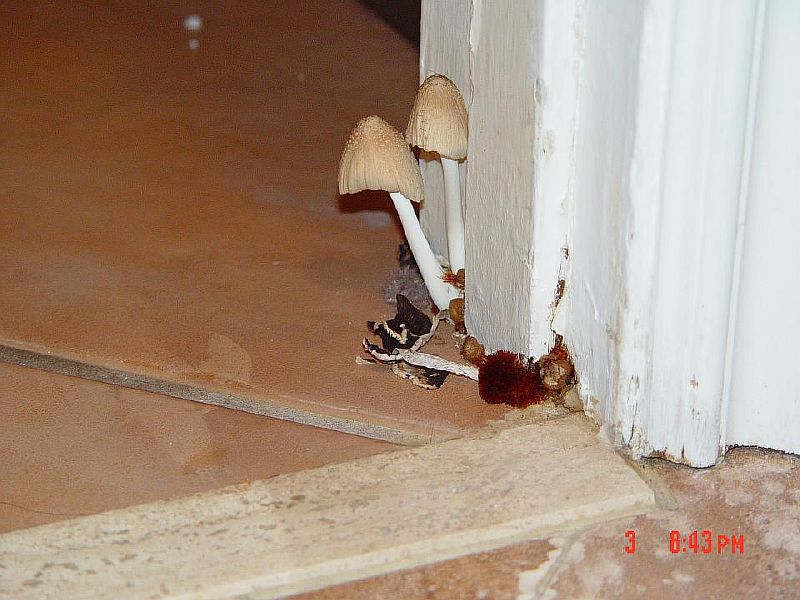
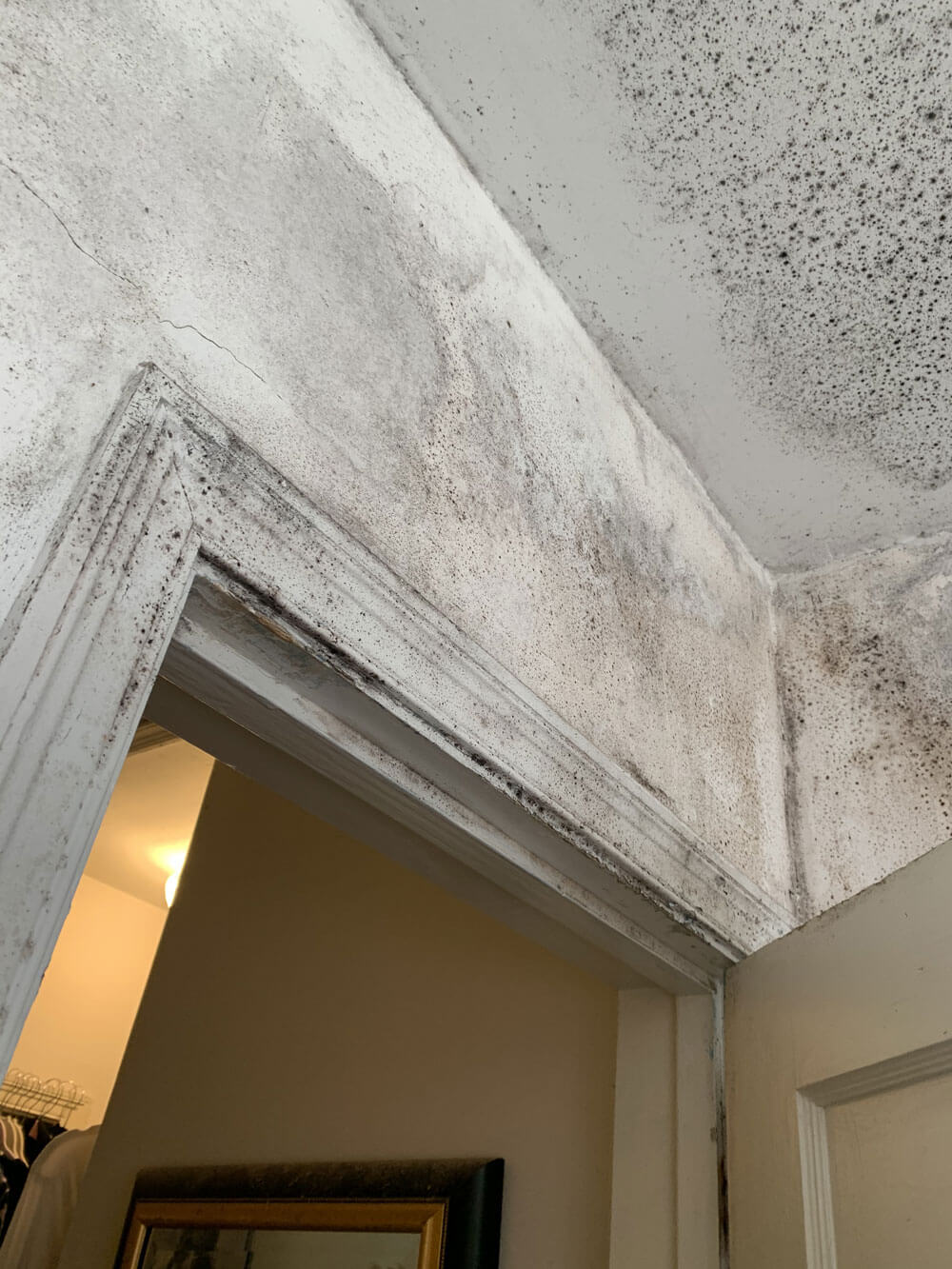
Mold doesn’t show up in Florida homes by accident. It shows up because the environment practically invites it in. In Sunrise homes, mold grows quietly at first, then suddenly becomes expensive, stressful, and impossible to ignore. What starts as a small patch or faint smell often turns into structural damage and health concerns before homeowners realize what’s happening.
The real issue isn’t that mold grows. The real cost comes from ignoring it. And in Sunrise, ignoring mold almost always makes the problem worse.
Florida’s Climate Gives Mold a Head Start
Florida humidity never really takes a day off. Even indoors, moisture finds its way into walls, ceilings, and air systems.
In Sunrise homes, mold thrives because:
- Warm temperatures stay consistent year-round
- High humidity keeps materials damp
- AC systems create condensation daily
Mold doesn’t need flooding or disasters. It just needs moisture that hangs around long enough.
Why Mold Loves Sunrise Homes Specifically
Sunrise homes often deal with a combination of older construction, heavy AC use, and enclosed layouts. That mix creates areas where air doesn’t circulate well and moisture gets trapped.
Common problem areas include:
- Bathrooms without proper ventilation
- Closets on exterior walls
- Laundry rooms and utility spaces
- Attics and crawl spaces
Mold grows where air doesn’t move and moisture doesn’t escape.
Mold Doesn’t Need Much to Start Growing
The Science Is Simple
Mold growth follows basic rules. It needs:
- Moisture
- Food
- Time
Drywall, wood, dust, and insulation all count as food. Add moisture and time, and mold grows. Remove moisture, and mold stops. That simplicity explains why mold problems repeat when moisture stays untreated.
Why Small Mold Problems Turn Expensive Fast
Many homeowners delay action because mold looks minor at first. That delay almost always backfires.
When mold gets ignored:
- It spreads deeper into materials
- Removal becomes more invasive
- Repair costs climb quickly
What starts as surface cleaning often turns into drywall removal, insulation replacement, and extensive remediation.
Moisture Always Drives the Cost Up
Mold Is a Symptom, Not the Cause
Mold itself isn’t the root problem. Moisture is. When moisture sources stay active, mold keeps growing.
In Sunrise homes, moisture often comes from:
- AC condensation issues
- Minor plumbing leaks
- Roof seepage after heavy rain
- High indoor humidity
Ignoring moisture guarantees mold will return, even after cleaning.
HVAC Systems Make Mold a Whole-House Issue
Air conditioning systems in Sunrise run constantly. That nonstop operation creates condensation inside ducts, air handlers, and drain pans.
Once mold enters the HVAC system:
- Spores circulate through every room
- Mold appears in new locations
- Indoor air quality drops
Homeowners clean one area, but mold keeps showing up elsewhere because the air keeps spreading it.
Why DIY Mold Cleaning Costs More Long-Term
DIY cleaning feels cheaper upfront. That short-term thinking often leads to bigger bills later.
DIY methods usually:
- Remove visible mold only
- Leave hidden growth untouched
- Ignore HVAC contamination
- Fail to control moisture
The result? Mold returns, spreads further, and costs more to fix properly later.
Structural Damage Adds Up Quietly
Mold feeds on organic materials. Over time, it weakens them.
We often see:
- Soft or crumbling drywall
- Warped wood framing
- Damaged insulation
By the time damage becomes visible, repairs often go beyond simple cleaning.
Health Issues Increase the Hidden Cost
Ignoring mold doesn’t just affect the home. It affects the people living in it.
Long-term exposure can contribute to:
- Chronic sinus problems
- Allergy flare-ups
- Respiratory irritation
- Fatigue and headaches
Medical visits and missed workdays add costs homeowners rarely connect back to mold at first.
Why Mold Problems Feel Overwhelming Later
Mold problems feel manageable early on. They feel overwhelming once they spread.
As mold grows:
- Affected areas multiply
- Remediation becomes more complex
- Living spaces become disrupted
Early action almost always keeps costs lower and solutions simpler.
Why Sunrise Homes See Repeat Mold Problems
Sunrise homes often experience repeat mold issues because the original cause never gets fixed.
Repeat problems usually involve:
- Unaddressed humidity issues
- HVAC systems that weren’t treated
- Moisture trapped behind walls
Cleaning without solving the cause guarantees mold will come back.
What Actually Keeps Mold From Returning
Proper mold remediation focuses on prevention, not appearance.
Effective solutions include:
- Identifying and eliminating moisture sources
- Removing contaminated materials safely
- Treating affected areas thoroughly
- Improving airflow and humidity control
When moisture disappears, mold loses its ability to grow.
The Financial Difference Between Early and Late Action
Addressing mold early often involves:
- Limited material removal
- Lower labor costs
- Faster completion
Waiting too long usually leads to:
- Extensive demolition
- Higher remediation costs
- Longer disruption
That difference explains why ignoring mold costs more every time.
Lessons Learned From Sunrise Homes
After inspecting countless homes, one lesson stands out clearly. Mold problems rarely stay small, and they never fix themselves.
Homes don’t develop mold because owners neglect cleaning. They develop mold because conditions allow it to grow unchecked.
Final Thoughts: Ignoring Mold Always Gets Expensive
Mold grows easily in Florida homes, especially in Sunrise, where humidity and AC use create perfect conditions. The real danger isn’t mold itself—it’s the cost of ignoring it.
Small problems grow. Moisture spreads. Repairs multiply.
The smartest move isn’t panic or delay. It’s understanding one simple truth:
The longer mold stays, the more it costs—every single time.
