
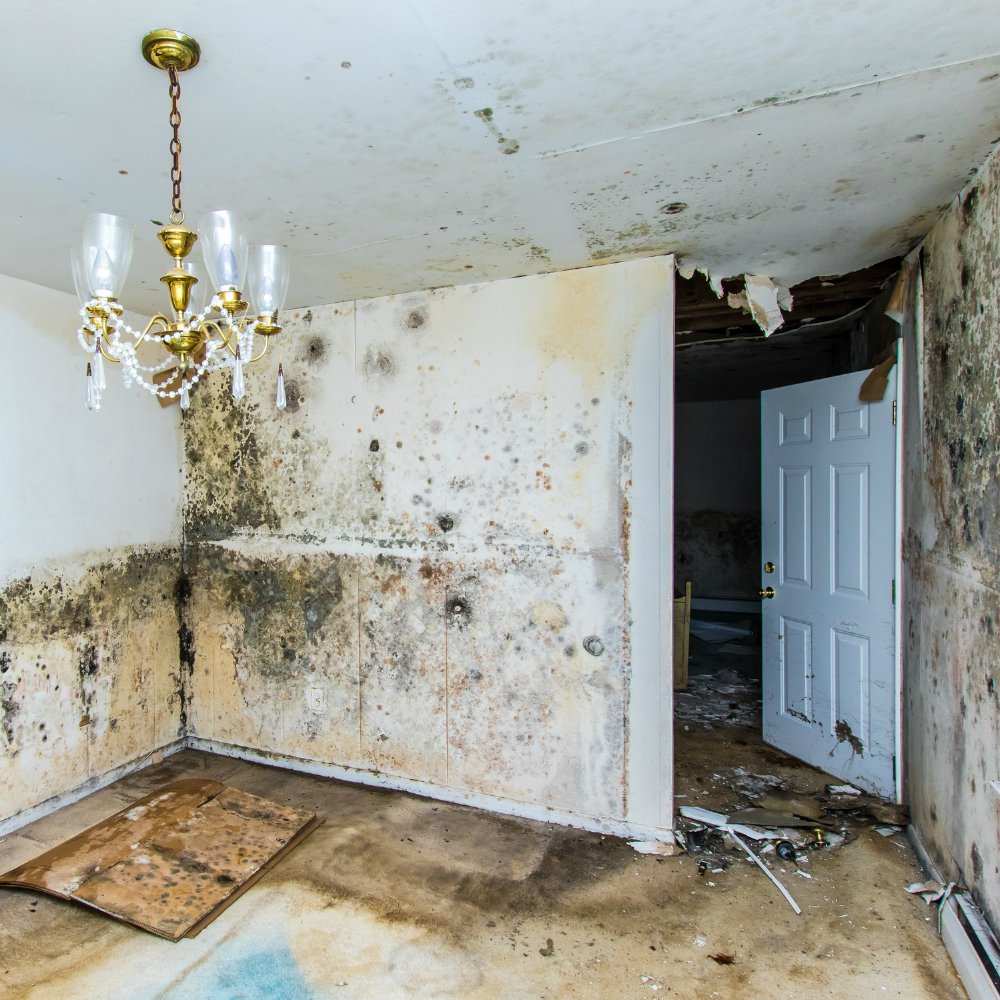
DIY mold cleaning feels productive. You scrub, spray, wipe, and the stains disappear. Problem solved, right? In Oakland Park, we inspect a lot of homes where homeowners did everything “right” and still ended up with mold coming back again and again. That cycle frustrates people, costs money, and creates the false idea that mold is impossible to control.
This article breaks down why mold keeps returning after DIY cleaning in Oakland Park homes, separating facts from common myths, based on what real inspections actually reveal inside walls, ceilings, and HVAC systems.
Why DIY Mold Cleaning Feels Like It Works (At First)
Living in Oakland Park means mold often appears in visible, reachable places like bathrooms or around vents. When homeowners clean those areas, the surface looks better immediately. That visual success creates confidence.
The problem is simple. Most mold growth isn’t on the surface. The visible part often represents a symptom, not the source.
That’s why mold comes back weeks or months later, usually in the same spot or nearby.
Fact vs Myth: Cleaning Mold Removes the Problem
Myth: If you remove visible mold, the problem is gone.
Fact: Cleaning removes stains, not causes.
Mold grows because moisture remains active. DIY cleaning doesn’t change humidity, condensation, or hidden leaks. As long as moisture stays, mold regrows.
We regularly find homes where:
- Walls look freshly cleaned
- Mold regrows in the same area
- Moisture readings remain elevated
The mold didn’t “come back.” It never left.
Why Mold Loves Hidden Areas DIY Can’t Reach
Mold thrives in dark, undisturbed spaces. DIY cleaning focuses on what homeowners can see and reach, not where mold prefers to live.
During inspections, we often find hidden mold:
- Behind drywall
- Under sinks and cabinets
- Inside wall cavities
- Within HVAC systems
Cleaning visible mold while hidden growth continues guarantees repeat problems.
Fact vs Myth: Bleach Kills Mold Permanently
Myth: Bleach kills mold at the root.
Fact: Bleach rarely penetrates porous materials.
Bleach may lighten stains, but it doesn’t soak into drywall, wood, or insulation deeply enough to stop growth. Even worse, bleach contains water, which can feed mold inside porous materials.
That’s why we see:
- Mold returning stronger
- Stains reappearing in the same spots
- Growth spreading behind surfaces
Bleach treats appearance, not biology.
Moisture: The One Thing DIY Cleaning Never Fixes
Mold doesn’t grow because someone forgot to clean. It grows because moisture stays present. DIY cleaning almost never addresses moisture.
Common moisture sources in Oakland Park homes include:
- AC condensation
- Slow plumbing leaks
- High indoor humidity
- Poor ventilation
If moisture stays active, mold doesn’t care how often you scrub.
HVAC Systems: The Mold Problem DIY Cleaning Misses Entirely
HVAC systems play a major role in repeat mold cases. Homeowners clean bathrooms or vents while mold continues growing inside air handlers or ductwork.
We frequently find:
- Mold on evaporator coils
- Damp insulation inside ducts
- Contaminated drain pans
- Spores circulating through vents
Every time the system runs, it redistributes spores. DIY surface cleaning can’t stop that.
Mold Inspection: Why It Changes the Outcome
A proper mold inspection looks beyond visible growth. We focus on moisture, airflow, and conditions that allow mold to survive.
During inspections, we evaluate:
- Moisture inside walls
- Indoor humidity levels
- HVAC system components
- Past water intrusion areas
Without inspection, DIY cleaning stays blind to the real cause.
When Mold Testing Clears Up Confusion
Not every home needs mold testing, but testing helps when mold keeps returning despite cleaning. Air samples often reveal elevated spore levels even when surfaces look clean.
Testing becomes useful when:
- Odors persist without visible mold
- Health symptoms continue
- Mold returns repeatedly
- Documentation matters for real estate
Testing replaces frustration with clarity.
Fact vs Myth: Mold Returns Because the Cleaning Wasn’t Strong Enough
Myth: Stronger cleaners fix the issue.
Fact: Stronger chemicals don’t fix moisture problems.
Using harsher products increases exposure risks without stopping mold growth. Mold responds to moisture, not chemical strength.
We’ve seen homes where:
- Multiple cleaners got used
- Mold kept returning
- Materials deteriorated faster
More chemicals don’t equal better results.
Mold Removal vs. Mold Remediation: The Missing Step
This confusion causes most repeat mold cases. Mold removal eliminates contaminated materials. Mold remediation prevents mold from returning.
Here’s the difference:
- Mold removal addresses what exists
- Mold remediation fixes why it exists
DIY cleaning skips remediation entirely, which is why mold returns.
Why Oakland Park Homes See Repeat Mold More Often
Homes throughout Broward County face humidity challenges, but Oakland Park homes often deal with older construction, aging plumbing, and constant AC use.
We regularly encounter:
- Elevated indoor humidity
- Slow, hidden leaks
- HVAC systems that never fully dry
- Limited ventilation
Those conditions allow mold to regrow easily after surface cleaning.
Health Symptoms Often Persist After DIY Cleaning
Homeowners often clean mold hoping symptoms improve. When symptoms don’t change, confusion sets in.
Common complaints include:
- Congestion indoors
- Headaches at home
- Fatigue without explanation
- Worsening asthma symptoms
When exposure continues from hidden sources, symptoms remain even if surfaces look clean.
Why Waiting Makes DIY Mold Problems Worse
DIY cleaning delays professional evaluation. That delay gives mold time to spread further into materials and systems.
Waiting often leads to:
- Larger contaminated areas
- Structural material damage
- Higher remediation costs
- Longer air quality issues
Early action always limits scope and cost.
How Professionals Stop Mold From Returning
Professional mold remediation focuses on removing mold and correcting moisture together. That combination stops the cycle.
Effective remediation includes:
- Containment to prevent spread
- HEPA filtration
- Removal of contaminated materials
- Moisture correction and verification
When moisture disappears, mold stops returning.
Preventing Mold Long-Term After Remediation
Once mold gets handled properly, prevention becomes manageable. Homeowners don’t need perfection, just consistency.
Effective prevention includes:
- Managing indoor humidity
- Maintaining HVAC systems
- Addressing leaks immediately
- Using ventilation properly
Small steps prevent repeat problems.
Final Thoughts: DIY Cleaning Treats Symptoms, Not Causes
Mold keeps returning after DIY cleaning because the root cause never changes. Moisture, humidity, and airflow issues stay active while homeowners focus on visible stains. That mismatch fuels frustration and repeat growth.
The facts stay consistent: thorough mold inspection, targeted mold testing, proper mold removal, and complete mold remediation stop mold when moisture gets addressed. Separate myth from reality, and mold becomes controllable instead of endless.
If mold keeps coming back in your Oakland Park home, don’t assume you’re doing something wrong. DIY cleaning was never designed to solve hidden moisture problems. Fix the cause, and mold finally stops showing up uninvited.
