
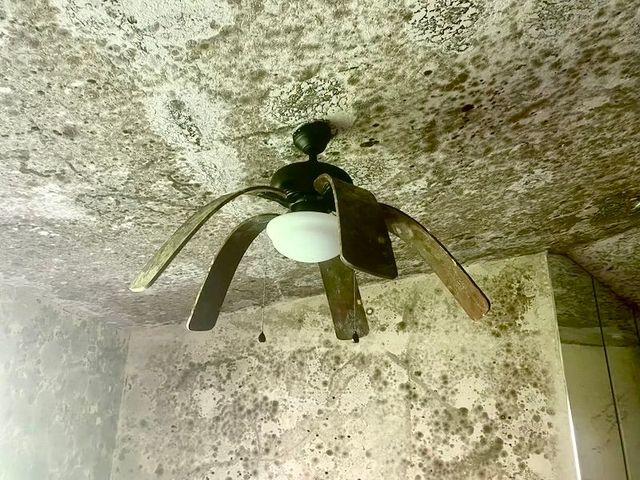
Why Mold Keeps Returning After DIY Cleaning – The Science Explained Simply for Homes in Broward County
If you’ve cleaned mold yourself—scrubbed it, sprayed it, maybe even bleached it into submission—only to see it come back like nothing happened, you’re not alone. In Broward County, this is one of the most common homeowner frustrations.
The good news? Mold isn’t mysterious. The bad news? DIY cleaning usually misses the science behind why mold grows in the first place. Let’s break it down—plain language, no scare tactics.
Mold Is a Living Organism (Not a Stain)
This is where most DIY efforts go wrong.
Mold isn’t just dirt you wipe away. It’s a living organism that:
- Grows roots (called hyphae) into porous materials
- Feeds on organic matter like drywall paper and wood
- Reproduces by releasing microscopic spores
When you clean only the surface, you’re removing the visible growth, not the root system underneath.
Why Bleach Looks Like It Works (But Doesn’t)
Bleach changes color fast, which makes it feel effective. Scientifically, though, it has limits.
On porous surfaces:
- Bleach doesn’t penetrate deeply enough
- The water content soaks into materials
- Mold roots survive below the surface
Once the moisture evaporates and humidity rises again, mold simply regrows from what’s left behind.
Moisture Is the Real Fuel
Mold needs three things to grow:
- Moisture
- A food source
- Time
Homes in Broward County provide all three effortlessly. High humidity, constant AC use, and small leaks create moisture that never fully dries. Even if mold is cleaned perfectly, moisture alone allows it to return.
Why Mold Comes Back in the Same Spot
From a science standpoint, this happens because:
- The material never dried completely
- Moisture continues from a hidden source
- Mold roots were never removed
Mold isn’t “stubborn.” It’s responding to conditions that never changed.
How Mold Spreads After DIY Cleaning
Scrubbing mold without containment can actually make things worse.
Here’s why:
- Disturbing mold releases spores into the air
- HVAC systems circulate those spores
- Spores settle in other damp areas
This is why homeowners often say, “We cleaned it, and now it’s showing up somewhere else.”
Why Broward County Homes See Repeat Mold
Scientifically speaking, the local environment matters.
Experts consistently see:
- Indoor humidity staying above ideal levels
- Condensation inside walls and AC systems
- Poor airflow in closets and spare rooms
- Materials that stay damp just long enough for mold to thrive
Mold doesn’t need flooding—just moisture that lingers.
What Actually Stops Mold From Returning
The science-backed solution always involves:
- Removing or drying affected materials thoroughly
- Fixing the moisture source
- Controlling humidity long-term
- Preventing spore spread during cleanup
When moisture is eliminated, mold loses its ability to grow—no matter how many times it tried before.
Simple Takeaway
Mold keeps returning after DIY cleaning because cleaning removes what you see, not what mold needs to survive.
In Broward County homes, humidity and hidden moisture are the real drivers. Change the conditions, and mold stops growing. Ignore them, and no amount of scrubbing will win long-term.
That’s not fear—that’s just basic mold science, explained simply.
