
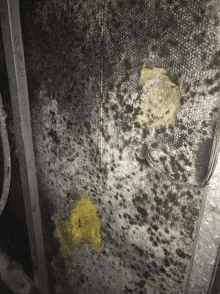
Why Mold Keeps Returning After DIY Cleaning – What Most People Get Wrong for Homes in Coral Springs
If you’ve scrubbed mold away, sprayed something strong, maybe even repainted—only to see the same spot return—this isn’t bad luck. After real inspections in homes across Coral Springs, the reason is almost always the same: DIY cleaning fixes what you can see, not what’s causing the problem.
Here’s what most people get wrong, based on what inspections actually uncover.
Mistake #1: Treating Mold Like a Surface Stain
Mold isn’t dirt. It’s a living organism.
In Coral Springs homes, inspectors routinely find:
- Mold roots embedded inside drywall and wood
- Growth feeding on paper backing and dust
- Surface stains cleaned while subsurface growth remains
When you wipe the surface, you remove the evidence—not the organism.
Mistake #2: Trusting Bleach to “Kill It”
Bleach looks effective because it removes discoloration quickly. That’s the trap.
On porous materials (drywall, grout, wood):
- Bleach doesn’t penetrate deeply
- It leaves moisture behind
- Mold roots survive below the surface
Once humidity rises again (which it does often here), mold regrows from what’s left.
Mistake #3: Ignoring Moisture Because There’s No Leak
One of the biggest inspection lessons: you don’t need an active leak for mold to return.
Common moisture sources in Coral Springs homes include:
- High indoor humidity
- AC condensation and drainage issues
- Condensation inside walls and ceilings
- Small plumbing leaks that never fully dry
If moisture remains, mold doesn’t need encouragement.
Mistake #4: Assuming Mold Only Grows Where You See It
Visible mold is rarely the whole story.
Inspectors frequently uncover growth:
- Behind baseboards and drywall
- Inside closets on exterior walls
- Around HVAC air handlers and drain pans
- Inside duct insulation
DIY cleaning never reaches these areas, which is why mold “mysteriously” returns.
Mistake #5: Accidentally Spreading Mold While Cleaning
Scrubbing mold without containment can make things worse.
What inspections often reveal afterward:
- Spores released into the air during cleaning
- HVAC systems distributing spores to other rooms
- New mold growth appearing weeks later elsewhere
That’s why homeowners say, “We cleaned it—and now it’s somewhere else.”
Mistake #6: Thinking Paint Solves the Problem
Fresh paint hides stains, not moisture.
Inspectors regularly find:
- Mold growing behind newly painted walls
- Damp drywall sealed before drying
- Cosmetic fixes delaying real repairs
Paint improves appearance, not conditions.
Why Coral Springs Homes See This So Often
Local conditions stack the odds:
- High humidity most of the year
- AC systems running almost nonstop
- Condensation forming inside walls and HVAC systems
- Poor airflow in closets and spare rooms
Mold doesn’t need flooding here—just moisture that lingers.
What Actually Stops Mold From Coming Back
Homes where mold doesn’t return follow the same playbook:
- Identify and fix the moisture source
- Remove contaminated materials when necessary
- Use proper containment and air filtration
- Dry the area completely
- Control indoor humidity long-term
When moisture is handled correctly, mold runs out of what it needs to survive.
The Real Takeaway
The biggest thing people get wrong about DIY mold cleaning in Coral Springs homes is thinking effort equals effectiveness.
It doesn’t.
Mold keeps returning because the cause wasn’t fixed—only the evidence was removed. Address moisture and hidden growth, and mold stops coming back. Ignore those, and no amount of scrubbing will win.
No fear tactics. Just what real inspections keep proving, home after home.
