
Why Mold Keeps Returning After DIY Cleaning – What the Data Tells Us for Homes in
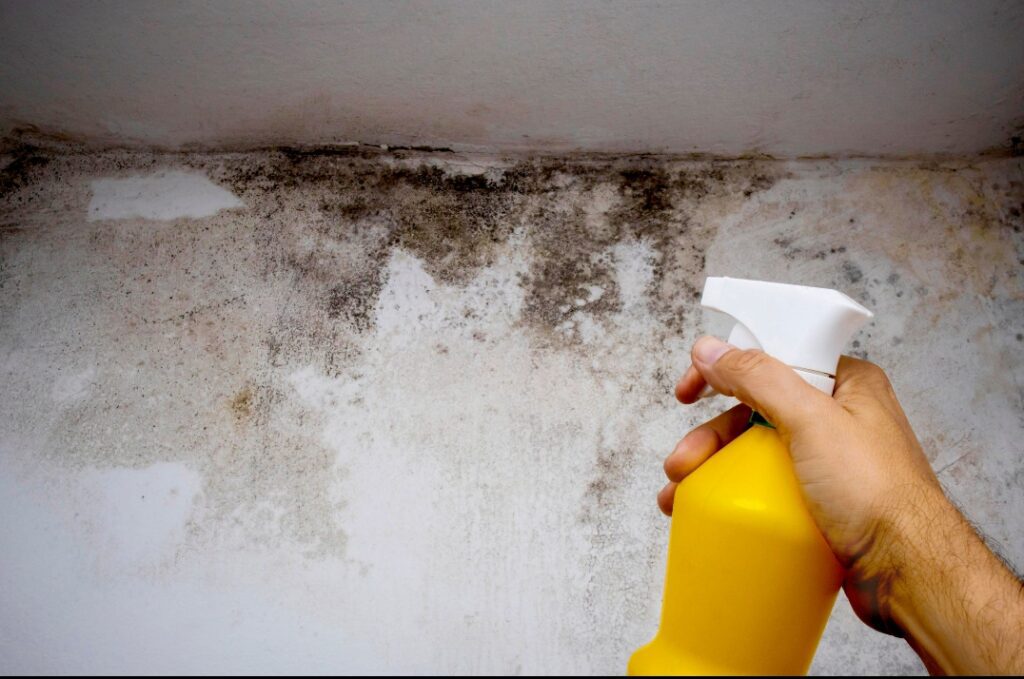
Many homeowners in Plantation clean mold repeatedly, only to see it return weeks or months later. From a homeowner’s perspective, this feels confusing and frustrating—especially when the area looked clean after treatment. What inspection data consistently shows is that DIY cleaning addresses appearance, not cause. As long as moisture and hidden growth remain, mold will continue coming back.
Plantation’s humidity, frequent rain, and year-round air conditioning create ideal conditions for mold persistence. Data collected from inspections makes it clear that recurring mold is not a cleaning failure—it’s an environmental and structural issue.
Inspection data shows that most DIY mold cleaning focuses on visible staining, while mold itself grows deeper into materials. Porous surfaces such as drywall, wood, grout, and insulation allow mold roots to penetrate below the surface.
When only the surface is cleaned:
- Mold remains active inside materials
- Spores continue releasing into the air
- Regrowth occurs once conditions stay favorable
This explains why mold often reappears in the exact same spot.
Moisture data is the strongest indicator of why mold keeps returning. In Plantation homes with recurring mold, inspections almost always identify unresolved moisture issues.
Common moisture sources include:
- High indoor humidity
- AC condensation or drain line problems
- Slow plumbing leaks
- Poor bathroom or kitchen ventilation
Data shows that without moisture control, mold regrowth is almost guaranteed—regardless of how often cleaning occurs.
Hidden mold is another major factor revealed by inspection data. Mold frequently grows behind walls, under cabinets, or inside HVAC systems—areas that DIY cleaning never reaches.
Inspection reports commonly document hidden growth:
- Behind bathroom and kitchen drywall
- Under sinks with minor leaks
- Around HVAC air handlers and ductwork
- Beneath flooring after past water damage
Cleaning visible mold does nothing to stop these hidden sources.
HVAC-related data also explains recurring mold. When mold or moisture exists near air handlers or ducts, spores circulate every time the system runs. This spreads contamination beyond the original location.
Homeowners often notice:
- Mold appearing in multiple rooms
- Musty odors that move through the home
- Mold returning shortly after cleaning
These patterns strongly correlate with HVAC involvement.
Another data-backed issue is spore spread during cleaning. DIY scrubbing or spraying without containment releases spores into the air, allowing them to settle elsewhere.
Inspection findings after DIY attempts often show:
- New mold growth nearby
- Expanded affected areas
- Faster recurrence
Without containment, cleaning can actually increase spread.
Data also shows that repeated DIY cleaning delays proper evaluation. Homeowners often assume the problem is minor because cleaning seems to work temporarily. Meanwhile, mold continues growing unseen.
By the time professional inspection occurs:
- Mold has spread further
- More materials are affected
- Remediation scope increases
Delays directly correlate with higher costs.
Humidity data plays a key role. Plantation homes with recurring mold consistently show indoor humidity above recommended levels. High humidity alone can support mold growth even without leaks.
Homes that control humidity experience significantly fewer recurrence issues.
Inspection data confirms that cleaning alone does not change environmental conditions. Mold stops returning only when:
- Moisture sources are corrected
- Hidden growth is addressed
- Airflow and humidity are controlled
This is why professional evaluation focuses on conditions, not just surfaces.
Early inspection data shows that homes addressing mold recurrence promptly:
- Limit affected areas
- Reduce remediation costs
- Improve indoor air quality
- Avoid repeated cleaning cycles
Waiting allows mold to become more established and harder to control.
Homes in face constant moisture challenges that make recurring mold common when root causes are ignored.
