
Why Mold Keeps Returning After DIY Cleaning – Why Ignoring It Costs More for Homes in Fort Lauderdale
DIY mold cleaning feels productive. You scrub the spot, spray something strong, and the stain disappears. Problem solved… right?
Not quite.
In Fort Lauderdale homes, one of the most common frustrations inspectors see is mold that keeps coming back, even after repeated cleaning. Homeowners often assume the product wasn’t strong enough or the area wasn’t scrubbed well. In reality, the issue is much deeper—and ignoring it almost always costs more in the long run.
Let’s break down why mold returns after DIY cleaning, what homeowners usually miss, and why delaying proper action turns small problems into expensive ones.
The Biggest Misunderstanding: Mold Is Not a Surface Problem
This is where most DIY efforts fail.
Mold doesn’t behave like dirt. It doesn’t just sit on surfaces—it grows into materials.
In Fort Lauderdale homes, mold commonly penetrates:
- Drywall
- Wood framing
- Baseboards
- Carpet padding
- Insulation
When you wipe or spray visible mold, you’re usually removing only the surface growth—not the mold embedded underneath.
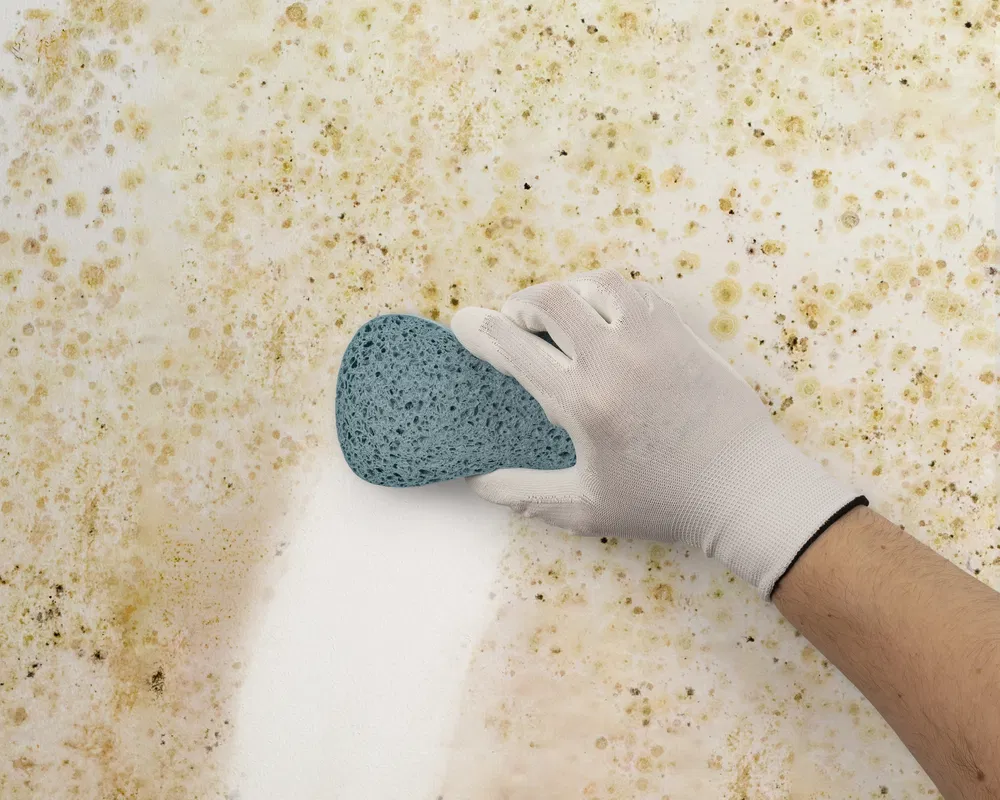
That’s why mold often returns in the exact same spot.
Why Fort Lauderdale Homes See So Much Regrowth
Mold regrowth isn’t random—it’s environmental.
Fort Lauderdale homes deal with:
- High humidity most of the year
- Constant air-conditioning use
- Heavy rain and storms
- Moist coastal air
- Slab foundations that hide leaks
Even after cleaning, these conditions continue feeding mold if moisture isn’t controlled.
Cleaning removes evidence.
Moisture keeps the problem alive.
Mistake #1: Cleaning Without Fixing Moisture
This is the #1 reason mold returns.
DIY cleaning almost never addresses:
- Hidden plumbing leaks
- AC condensation
- Elevated indoor humidity
- Moisture trapped behind walls or floors
What inspectors see:
Homes where mold was “cleaned” multiple times—but moisture levels stayed high. Each time, mold returned faster and spread further.
As long as moisture remains, mold has no reason to leave.
Mistake #2: Using Bleach on Porous Materials
Bleach is one of the most common DIY choices—and one of the worst for mold.
Why bleach fails:
- It doesn’t penetrate porous materials
- It removes color, not roots
- Water in bleach can actually feed mold
Drywall and wood absorb moisture, allowing mold to survive beneath the surface. Bleach makes it look clean while mold continues growing inside.
Mistake #3: Assuming “No Smell” Means No Mold
After cleaning, homeowners often relax because:
- The musty smell disappears
- The stain is gone
- The area looks dry
But smell is a late-stage indicator. Early regrowth often happens silently.
By the time odor returns, mold is usually more established—and harder to remove.
How Mold Quietly Spreads After DIY Cleaning
When mold isn’t fully removed, it doesn’t just stay put.
It can spread:
- Behind drywall
- Under baseboards
- Into adjacent rooms
- Through HVAC systems
Each failed DIY attempt often allows mold to expand further before it’s addressed properly.
Why Ignoring Mold Gets Expensive Fast
This is where cost comes in.
What starts as:
- A small patch on drywall
- Minor bathroom mold
- A “little” water issue
Can turn into:
- Wall removal
- Flooring replacement
- Cabinet damage
- HVAC contamination
- Full remediation
Inspectors consistently see higher costs in homes where mold was repeatedly cleaned instead of properly addressed.
The False Economy of DIY Mold Cleaning
DIY cleaning feels cheaper—but it usually isn’t.
Homeowners often spend money on:
- Multiple cleaning products
- Repainting
- Replacing baseboards
- Repeat repairs
Meanwhile, mold continues growing underneath. When professional help is finally needed, the affected area is much larger than it would have been earlier.
Ignoring mold doesn’t save money—it delays the bill.
HVAC Systems Make Regrowth Worse
In Fort Lauderdale homes, HVAC systems often contribute to recurring mold.
If mold exists near:
- Air handlers
- Drain pans
- Duct insulation
Spores can circulate through the home—even if the original mold spot was cleaned.
DIY surface cleaning doesn’t stop airborne spread.
Early Warning Signs Mold Is Returning
Homeowners often miss these regrowth clues:
- Stains reappearing in the same spot
- Paint bubbling again
- Baseboards warping repeatedly
- Musty smells that come and go
- Allergy symptoms worsening indoors
These aren’t coincidences—they’re signs the root problem wasn’t fixed.
What Professionals Do Differently (And Why It Works)
Professional mold removal isn’t about stronger chemicals—it’s about process.
They focus on:
- Identifying and stopping moisture sources
- Measuring moisture inside materials
- Removing contaminated porous materials
- Drying affected areas thoroughly
- Preventing conditions that allow regrowth
Once moisture is gone, mold loses its ability to return.
Why Fort Lauderdale Homeowners Benefit From Early Action
From real inspections, the pattern is clear:
- Early intervention = localized repair
- Delayed action = structural involvement
- Repeated DIY cleaning = wider spread
Humidity and warmth give mold an advantage in Fort Lauderdale. Time only strengthens it.
Practical Advice for Homeowners (No Panic Required)
Smart homeowners don’t panic—but they also don’t keep scrubbing the same spot.
Instead, they:
- Treat recurring mold as a moisture issue
- Investigate hidden water sources
- Monitor indoor humidity
- Address HVAC moisture problems
- Stop relying on surface fixes
This approach prevents regrowth instead of chasing it.
Final Thoughts: Mold Keeps Returning for a Reason
In Fort Lauderdale homes, mold doesn’t return because cleaning “failed.”
It returns because the conditions that caused it never changed.
DIY cleaning hides the problem temporarily—but moisture keeps feeding it. And every delay allows mold to spread further, making repairs more expensive and disruptive.
