
Why Mold Testing Matters More in Florida
If you live in Florida, you already know one thing: humidity never takes a day off.
Between the afternoon thunderstorms, coastal moisture, high water tables, and year-round air conditioning, Florida homes create the perfect storm for mold growth. And here’s the uncomfortable truth — most of it grows where you can’t see it.
That’s exactly why mold testing matters more here than almost anywhere else in the country.
Let’s break it down clearly. No scare tactics. No fluff. Just what actually happens inside Florida homes — and why smart homeowners test before things get worse.
Florida’s Climate: A Mold Paradise
Florida has three ingredients mold absolutely loves:
- High humidity
- Warm temperatures
- Frequent water intrusion
Humidity levels regularly sit above 60% — and mold only needs about 55% to thrive.
Add:
- Afternoon rainstorms
- Hurricane season
- AC condensation
- Slab foundations with moisture migration
…and you’ve got a year-round growth cycle.
Unlike northern states where mold spikes seasonally, Florida homes face continuous exposure. That means mold doesn’t “go dormant” for long.
It keeps coming back.
The Problem: Mold Often Hides
Most homeowners expect mold to look dramatic — black patches, fuzzy walls, strong odors.
But here’s what we actually see inside homes:
- Mold growing behind baseboards
- Mold inside AC air handlers
- Mold under tile flooring
- Mold inside wall cavities after minor leaks
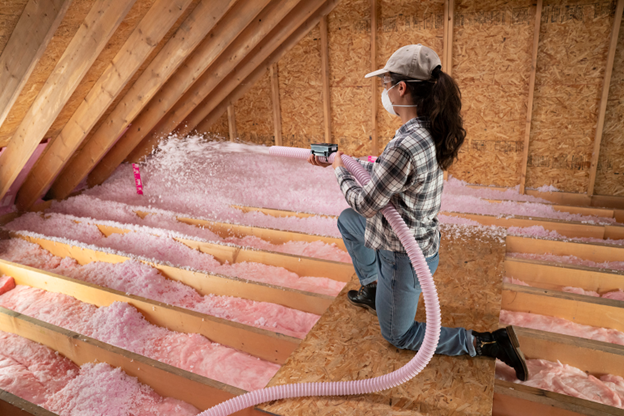
- Mold in attic insulation from roof moisture
The scary part? Many of these homes looked perfectly clean.
Visible mold is often just the tip of the iceberg.
That’s why visual inspection alone isn’t enough in Florida.
What Mold Testing Actually Does
Let’s clear up a common misunderstanding.
Mold testing doesn’t just “look for mold.” It measures:
- Spore counts in the air
- Types of mold present
- Indoor vs outdoor comparison levels
- Hidden contamination not visible to the eye
Professional testing typically includes:
- Air sampling
- Surface sampling
- Moisture mapping
- Thermal imaging (to find hidden damp spots)
This data tells you:
- If a problem exists
- How severe it is
- Whether remediation is necessary
- If previous cleanup actually worked
In Florida, that data matters more because baseline outdoor mold levels are already high.
Without testing, you’re guessing.
Florida Homes Are Built Differently
Florida construction methods make testing even more important.
1. Concrete Block Construction
Many homes use concrete block (CBS construction). While durable, concrete can hold moisture and allow mold to grow inside walls without obvious surface signs.
2. Tile Floors Over Slabs
Moisture can travel through concrete slabs. You may never see water, but vapor can create ideal conditions under flooring.
3. Constant AC Use
Air conditioning runs almost year-round.
If the AC system:
- Has clogged drain lines
- Has dirty coils
- Produces excess condensation
…you can get mold growth inside ductwork or the air handler.
And once mold enters the HVAC system, it spreads spores throughout the entire house.
“But I Don’t See Mold…”
That’s the most common phrase we hear.
And it makes sense. Mold doesn’t always announce itself.
Instead, homeowners notice:
- Musty odors
- Increased allergy symptoms
- Headaches indoors
- AC smells when running
- Warped baseboards
By the time visible mold appears, it’s usually been growing for weeks or months.
Testing helps you catch issues early — before drywall has to be torn out.
Health Concerns Are Amplified in Humid Regions
Florida’s high mold environment can intensify health reactions.
Long-term exposure may trigger:
- Chronic sinus irritation
- Asthma flare-ups
- Persistent coughing
- Skin irritation
- Fatigue
Children, elderly adults, and people with respiratory conditions are especially vulnerable.
The tricky part?
Symptoms often improve when you leave the house — and return when you come back.
That’s a red flag.
Testing confirms whether indoor air is the culprit.
Real Estate Transactions in Florida Require Caution
Buying or selling in Florida?
Mold testing is often requested during inspections — and for good reason.
Because Florida properties experience:
- Flood events
- Storm damage
- Roof leaks
- High humidity year-round
Even homes that look spotless can hide elevated mold levels.
A proper mold test protects:
- Buyers from unexpected remediation costs
- Sellers from liability disputes
- Realtors from delayed closings
Skipping testing to “save money” often costs far more later.
Post-Storm Mold Is a Florida Reality
After heavy storms or hurricanes, moisture gets trapped in places you can’t see.
Even if:
- Water dries quickly
- Surfaces look normal
- There’s no visible staining
Moisture can remain inside:
- Insulation
- Wall cavities
- Subflooring
Florida’s heat accelerates mold growth fast — sometimes within 24–48 hours.
Testing after water intrusion is not optional. It’s smart risk management.
DIY Mold Kits Don’t Work Well in Florida
Here’s another myth.
At-home mold test kits often:
- Capture outdoor spores
- Provide vague lab results
- Don’t include control samples
- Lack moisture mapping
Florida’s outdoor mold count is naturally high.
Without comparing indoor and outdoor levels, results can be misleading.
Professional testing accounts for Florida’s unique environmental baseline.
That distinction matters.
Insurance and Documentation
If mold remediation becomes necessary, documentation matters.
Insurance companies often require:
- Third-party testing reports
- Proof of moisture source
- Post-remediation clearance testing
Without proper testing, claims may be delayed or denied.
Florida’s weather makes mold claims common — and insurers expect solid documentation.
Testing protects you legally and financially.
Mold Can Impact Property Value
Even if you don’t plan to sell now, unresolved mold issues can:
- Lower appraisal value
- Create inspection red flags
- Trigger buyer concerns
Florida buyers are especially cautious because mold problems are so common.
Clear mold testing reports give future buyers confidence.
That’s a competitive advantage.
Seasonal vs Year-Round Risk
In many states, mold risk spikes in summer.
In Florida?
It’s year-round.
Even winter brings:
- High humidity
- AC condensation
- Occasional heavy rains
That means mold testing isn’t just a “rainy season thing.”
It’s part of responsible home maintenance here.
Signs Florida Homeowners Shouldn’t Ignore
If you live in Florida and notice any of these, consider testing:
- Persistent musty smell
- Recent plumbing leak
- AC drain line backup
- Visible condensation on windows
- Prior flood or storm damage
- Allergy symptoms that improve outside
Don’t wait for black spots on drywall.
Mold often spreads long before that.
The Cost of Waiting
Here’s what typically happens when homeowners delay testing:
- Minor moisture problem goes unnoticed
- Mold grows behind walls
- HVAC spreads spores
- Air quality declines
- Remediation becomes extensive
What could have been a small containment job turns into:
- Drywall removal
- Flooring replacement
- HVAC cleaning
- Weeks of disruption
Early testing prevents escalation.
Peace of Mind in a High-Risk Climate
Florida homeowners face unique environmental stressors.
You can’t control:
- Tropical storms
- Humidity levels
- Ground moisture
- Outdoor spore counts
But you can control:
- Inspection timing
- Moisture management
- Testing decisions
Mold testing isn’t about panic.
It’s about clarity.
It answers:
- Is there a real problem?
- How serious is it?
- What steps should I take?
Guessing costs more than knowing.
Final Thoughts: Florida Isn’t Like Other States
If you’ve lived elsewhere before moving here, you may underestimate mold risk.
Florida’s combination of:
- Heat
- Humidity
- Rain
- Air conditioning
Creates a unique indoor environment.
Testing matters more here because exposure risk is higher, growth cycles are faster, and hidden moisture is common.
A clean-looking home doesn’t guarantee clean air.
And in Florida, air quality is everything.
If you haven’t tested your home — especially after storms, leaks, or unexplained odors — it may be time.
Because in this climate, mold doesn’t wait.
And neither should you.
