
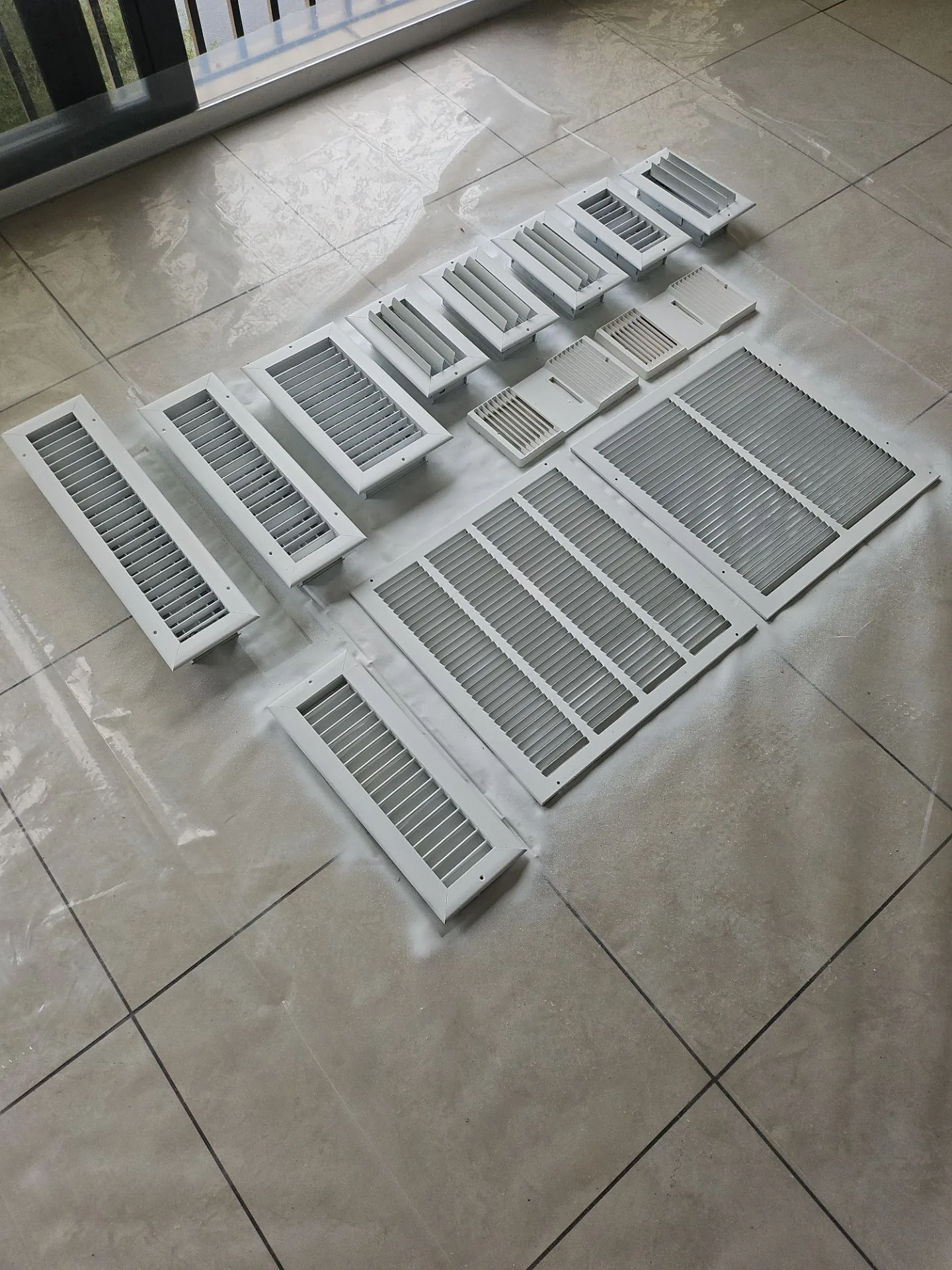
1. List the parts. Name the rooms.
A register cover, the connection behind it and a section of ductwork are different components. A mark on one cover does not establish the condition of the whole system. Ask the proposal to identify what was observed and exactly where the work will happen.
- Register covers: list the rooms, covers included and proposed handling or cleaning.
- Boots, connections and liners: identify the parts behind the openings, their materials and condition, and the proposed work.
- Accessible duct sections: name the sections included and the areas that cannot be reached.
- Equipment components: name each included component and task. “System cleaning” alone leaves too much open.
2. Show how the work will be reached.
High ceilings, furniture below openings and narrow hallways affect the work plan. So do locked equipment rooms, condominium entry arrangements and spaces that must remain in use. Explain those details before the visit.
Ask what can be accessed as the property stands. If additional access is needed, the proposal should explain that next step and how a change will be discussed. An inaccessible section should remain clearly identified in the record.
3. Put room protection in writing.
The room around the work needs a plan too. Ask which belongings need moving, who moves them, where removed covers will be handled and how nearby finishes and routes will be protected.
Protective measures and containment depend on the work and conditions. EPA’s HVAC remediation guidance addresses keeping contamination from spreading during the work.[2] Discuss the setup for your rooms, including equipment placement and arrangements for occupied areas.
4. Ask what gets cleaned and what gets replaced.
Material matters. EPA guidance states that wet or moldy duct insulation cannot be effectively cleaned and should be replaced.[1] A suitable hard component and affected insulation need different decisions.
Have the scope name the material, its location and the proposed action. Ask what happens if a concealed area reveals additional affected material. The answer should explain how the finding is documented and the revised work discussed. A photograph of a cleaned cover does not answer a question about insulation deeper in the system.
5. Give the moisture repair an owner.
Cleaning and moisture correction are separate tasks. EPA guidance pairs mold cleanup with fixing the water problem.[3] Ask what is known about the moisture source and what still needs investigation.
If a plumbing, roof or HVAC repair is required, identify who handles it and how it relates to the cleaning or material work. Drying and rebuilding also need clear responsibilities when applicable. Do not assume that every repair is included in a cleaning proposal; have the included work and remaining tasks spelled out.
6. Agree what the job record will show.
Useful photographs connect a task to a room and component. Ask for documentation appropriate to the agreed work: the areas addressed, relevant stages, material decisions, changes and access limitations.
Our Fort Lauderdale field photographs show removed register covers being brushed and wiped. They show those tasks. The written project record explains their place in the scope. Moisture readings or laboratory results, when included, need their own locations and context. Keep unresolved repairs visible in the completion record.
7. Set the verification role before the work starts.
If the mold project requires independent post-remediation verification, establish the provider, criteria and records needed before work begins. EPA’s completion guidance considers moisture control and the conditions remaining after remediation.[4]
The contractor’s work record and the independent evaluation answer different questions. M&D does not present its own remediation as independently cleared by M&D. Share any existing assessment, protocol or verification requirement when discussing the assignment.
8. Put the price and change process in writing.
Ask for the price of the defined scope, the work it includes and any exclusions. A useful proposal connects the cost to the rooms, components, access and tasks being addressed.
A concealed condition may require a different decision after access is available. Ask how the finding will be documented, how any proposed additional work will be priced and who must authorize the change before it proceeds.
Example: The stain came back around one register cover
Say a bedroom ceiling was repainted and the same stain came back at the edge of one register cover. One proposal says “clean all ducts.” Another lists only the bedroom cover. Before comparing prices, ask each provider to show where they found the concern: on the cover, on the ceiling around it, at the fitting behind it or farther inside the duct. Ask which areas they could actually see.
Bring a dated photo from before the repaint and a current photo from the same angle, if you have them. Note when the stain returned and whether you noticed droplets or a nearby leak. Those details give the person investigating a timeline. Ask what supports the proposed work in that room and what evidence supports adding other rooms.
If the moisture source is still open, ask who will investigate it and who will handle any needed repair. EPA guidance advises correcting the underlying conditions that allowed mold growth [1]. Get a written price for the stated work, with any separate moisture investigation or repair clearly identified. If something new turns up once access is opened, ask to see the finding and approve any change in scope and cost before the extra work starts.
Your scope-of-work checklist
| Ask this | What to clarify |
|---|---|
| Which rooms and components are included? | Match each proposed task to a location. |
| What cannot be reached? | Make the access limits clear before work starts. |
| What is being cleaned or replaced? | Connect the proposed method to the material. |
| Who handles the moisture source? | Give remaining repairs a named responsibility. |
| What records and separate verification are included? | Know what will document completion and what still needs arranging. |
| What is the price for the stated scope? | Know the included work and exclusions before you decide. |
| How are additional findings and costs handled? | Agree how changes will be explained, priced and authorized before extra work proceeds. |