
How Mold Spreads Through HVAC Systems – What Most People Get Wrong for Homes in Broward County
Ever turned on the AC and noticed a musty smell drifting through several rooms at once? That’s often the first clue.
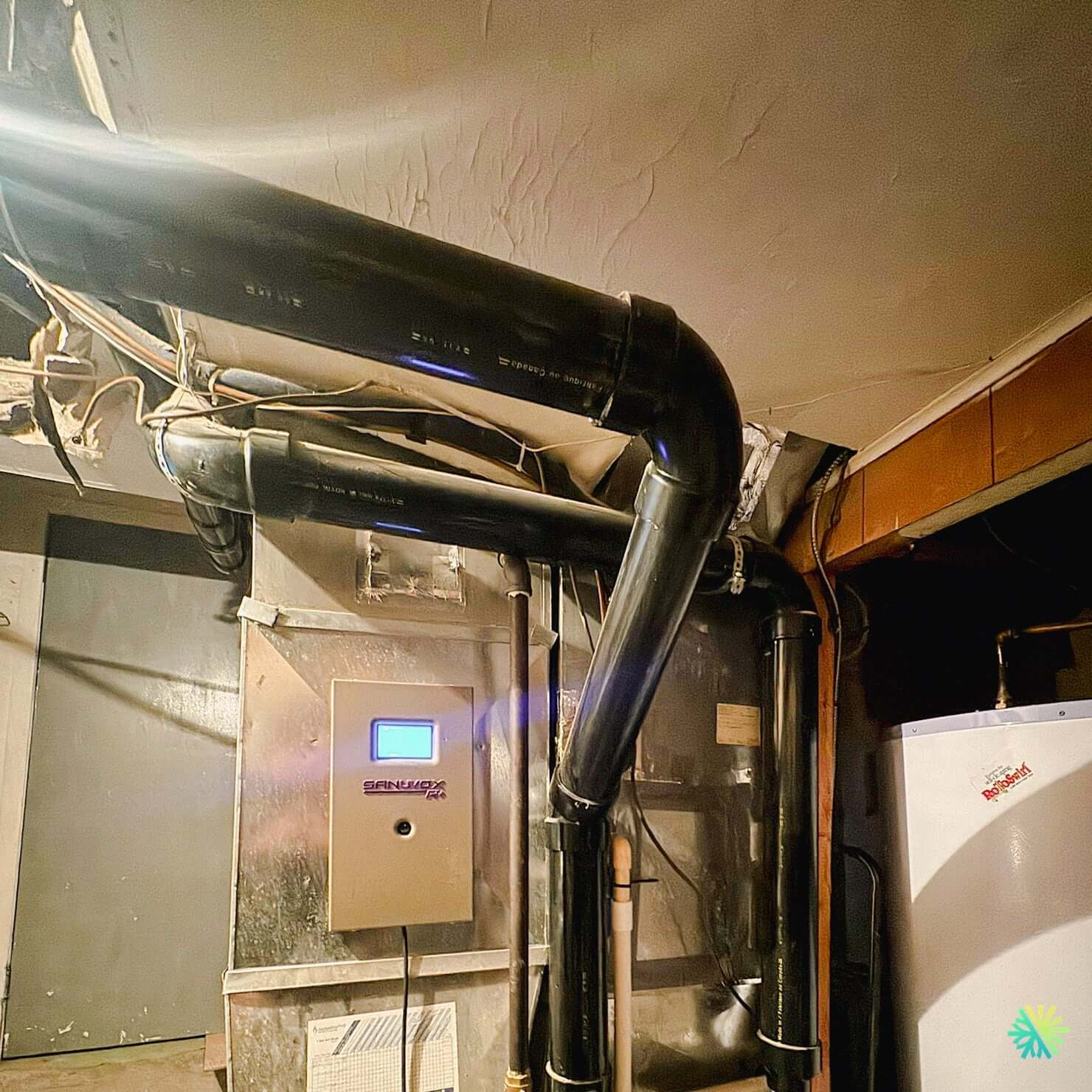
The Biggest Misunderstanding: “Mold Stays in One Place”
This myth causes a lot of repeat problems.
What Actually Happens
When mold grows near an HVAC system:
- Airflow picks up spores
- Spores travel through ducts
- Air distributes spores into multiple rooms
- Mold begins forming in new areas
HVAC systems act like delivery systems for mold spores. Once contamination starts, it rarely stays confined to one room.
I once inspected a home where mold began in an air handler closet but showed up weeks later in two bedrooms and a hallway. The homeowner thought they had three separate problems—turns out it was all one source.
Why HVAC Systems Create Ideal Mold Conditions
Mold needs only a few things to grow, and HVAC systems provide them surprisingly well.
Conditions Inside HVAC Systems That Encourage Mold
Common factors include:
- Condensation on coils
- Dust buildup inside ducts
- Cool, dark surfaces
- Restricted airflow in some areas
Dust provides organic material, and condensation provides moisture. Mold doesn’t need much more than that.
IMO, condensation ranks as the most overlooked moisture source in Florida homes.
Myth #1: “Changing Filters Prevents Mold”
Changing filters helps, but it doesn’t stop mold completely.
The Reality
Filters reduce dust, but they do not:
- Stop condensation
- Repair drain line issues
- Prevent humidity buildup
- Eliminate moisture in ducts
Filters help air quality, but moisture control determines whether mold grows.
FYI, some of the worst duct mold cases I’ve seen happened in homes with brand-new filters.
Myth #2: “If I Can’t See Mold, It Isn’t in the System”
Ductwork hides most of its interior, so mold can grow unnoticed for a long time.
Where Mold Often Forms First
During mold inspection and mold testing, we frequently find mold in:
- Evaporator coils
- Drain pans
- Return ducts
- Flexible duct insulation
- Air handler compartments
These areas collect moisture and rarely get inspected by homeowners.
Ask yourself this: when was the last time you looked inside your duct system?
Why Broward County Homes Face Higher HVAC Mold Risk
Climate plays a major role.
Homes in Broward County often experience:
- High humidity most of the year
- Heavy AC usage
- Frequent storms
- Warm outdoor air entering through small gaps
When warm humid air meets cold duct surfaces, condensation forms. That moisture often stays trapped inside insulation or duct joints.
And yes, even newer homes develop these issues when airflow or humidity control isn’t balanced properly.
Early Warning Signs Mold May Be in the HVAC System
Mold inside ducts usually gives subtle clues first.
Signs Homeowners Should Watch For
- Musty odors when the AC starts
- Odors that fade after a few minutes
- Dust buildup around vents
- Uneven cooling or humidity
- Allergy symptoms worsening indoors
These signs don’t confirm mold on their own, but they strongly suggest further inspection.
I’ve noticed many homeowners ignore smells because they disappear quickly—but that’s exactly what duct-related mold often does.
How Mold Inspection and Mold Testing Reveal HVAC Problems
Visual checks rarely reveal duct contamination. That’s where professional services help.
Mold inspection identifies moisture sources, airflow problems, and visible contamination.
Mold testing measures airborne spores and indoor air quality.
Testing often shows elevated spore levels even when no visible mold appears inside living spaces.
Would you rather guess what’s circulating through your air—or know for sure?
Mold Removal vs Mold Remediation in HVAC Systems
This distinction matters more than most homeowners realize.
Mold Removal
Removal focuses on:
- Cleaning contaminated surfaces
- Removing affected materials
Mold Remediation
Remediation includes:
- Identifying moisture sources
- Drying components
- Cleaning and treating ductwork
- Preventing regrowth
Remediation solves the cause, not just the contamination. Without moisture control, mold often returns.
Skipping that step almost guarantees recurring problems.
What Most People Get Wrong About Recurring Mold
Homeowners often assume recurring mold means the original cleanup failed. In many cases, the real issue sits in the HVAC system, quietly redistributing spores.
Common Misconceptions
People often believe:
- Mold only grows in bathrooms or kitchens
- Duct systems stay dry
- Odors don’t matter if they disappear
- Small moisture issues aren’t urgent
Inspection data shows the opposite. Many recurring mold cases trace back to airflow and moisture problems inside HVAC systems.
And honestly, those hidden issues surprise homeowners more than anything else.
Practical Steps to Reduce HVAC Mold Risk
Homeowners can reduce risk with simple maintenance habits.
Start with these steps:
- Keep indoor humidity below 60%
- Service HVAC systems annually
- Inspect drain lines and pans
- Change filters regularly
- Schedule periodic duct inspection and cleaning
These steps significantly reduce the chances of mold spreading through the system.
Mold Patterns Across Broward County Homes
HVAC-related mold doesn’t affect just one city. We regularly see similar issues in:
- Fort Lauderdale
- Coral Springs
- Plantation
- Pembroke Pines
- Tamarac
- Deerfield Beach
- Lauderhill
Humidity and heavy AC usage create similar moisture patterns across the entire region.
And yes, sometimes the cleanest-looking homes hide the most duct moisture problems—funny how that works 🙂
Final Thoughts: HVAC Systems Can Spread Mold Faster Than You Think
Mold rarely stays confined once it reaches the HVAC system. Airflow distributes spores, moisture supports growth, and problems spread quietly before homeowners notice anything unusual.
Regular mold inspection, mold testing, mold removal, and mold remediation help homeowners across Broward County protect their homes, indoor air quality, and long-term property value.
