
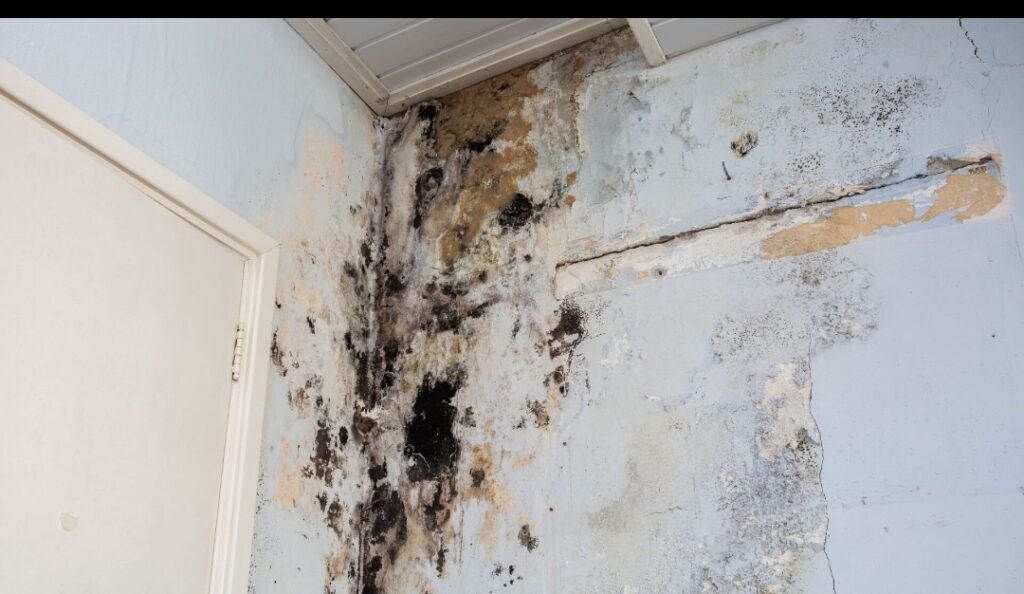
Moisture Problems Most Homeowners Miss – What the Data Tells Us for Homes in Lauderhill
Why Moisture Problems Often Go Unnoticed
Most homeowners look for obvious leaks. They check ceilings after storms or look under sinks. That helps, but hidden moisture rarely announces itself.
I’ve inspected homes where drywall looked perfect on the outside but showed heavy moisture readings underneath. Why does that happen?
Hidden Sources of Moisture
Moisture often comes from places people overlook:
- AC condensation lines
- Poor attic ventilation
- Slow plumbing leaks
- Roof flashing gaps
- Humidity entering through ducts
Florida homes deal with high humidity almost year-round, and that humidity settles anywhere airflow slows down. IMO, airflow problems cause more mold than actual floods.
What the Data From Inspections Shows
After years of performing mold inspection and mold testing across Broward County, clear patterns appear. Certain areas consistently show higher moisture readings.
The Most Common Trouble Spots
Here’s where moisture hides most often:
- Behind bathroom vanities
- Around air handlers and HVAC closets
- Inside exterior-facing walls
- Under laminate or vinyl flooring
- Around window frames
Surprised by some of those? Most people are.
Why These Areas Matter
These areas share three traits:
- Limited airflow
- Temperature differences
- Occasional condensation
Those three ingredients create a perfect environment for mold growth. Mold doesn’t need much—just moisture, organic material, and time.
Early Signs Homeowners Often Miss
Moisture damage rarely starts with visible mold. It starts small.
Watch for these early indicators:
- A slightly musty smell
- Paint bubbling or peeling
- Warping baseboards
- Minor discoloration near vents
- Cold or damp-feeling walls
If you catch these early, you avoid major repairs later. Ignore them, and things escalate quickly—unfortunately, I’ve seen that scenario more than once :/
How Mold Inspection and Testing Reveal Hidden Issues
Homeowners often ask, “Do I really need testing if I don’t see mold?” Good question.
Mold inspection and mold testing detect problems before damage spreads.
During inspections, professionals use:
- Moisture meters
- Thermal imaging cameras
- Air sampling tools
- Surface sampling when needed
These tools identify moisture inside walls, ceilings, and flooring without tearing anything apart. That saves time, money, and stress.
Why Lauderhill Homes Face Unique Moisture Challenges
Lauderhill homes deal with several factors that increase moisture risks.
Climate and Construction Factors
Homes in this area often experience:
- High outdoor humidity
- Frequent afternoon storms
- Older roofing systems in some neighborhoods
- Air conditioning running almost nonstop
When cold air meets warm humid air, condensation forms. That moisture settles in ducts, walls, and attics.
Ever opened an AC closet and felt damp air rush out? That’s a warning sign.
The Role of Air Ducts in Moisture Problems
Many people overlook ducts, but ductwork often traps humidity and dust, creating ideal conditions for mold growth.
Common duct-related issues include:
- Poor insulation
- Air leaks
- Condensation buildup
- Dirty coils increasing humidity
Regular duct inspection and cleaning improves airflow and reduces moisture buildup throughout the house.
What Happens When Moisture Goes Untreated
Moisture doesn’t stay harmless for long. It gradually leads to:
- Mold growth
- Structural weakening
- Carpet and flooring damage
- Indoor air quality problems
And here’s the part most people don’t expect—mold can begin growing within 24 to 48 hours in the right conditions.
That timeline surprises homeowners every time.
Mold Removal vs. Mold Remediation: Why the Difference Matters
People often use these terms interchangeably, but they mean different things.
Mold Removal
Professionals remove visible mold and contaminated materials.
Mold Remediation
Remediation goes further. It includes:
- Identifying moisture sources
- Containing affected areas
- Cleaning and treating surfaces
- Preventing regrowth
Remediation solves the cause, not just the symptom. That makes a huge difference in long-term results.
Broward County Service Areas Where Moisture Problems Commonly Appear
Moisture issues don’t affect just one city. We regularly see similar problems across:
- Lauderhill
- Fort Lauderdale
- Tamarac
- Plantation
- Sunrise
- Deerfield Beach
- Coral Springs
- Pembroke Pines
Each city presents slightly different building styles and aging patterns, but humidity affects them all.
FYI, coastal airflow and summer rains often accelerate moisture accumulation in older homes.
Practical Ways Homeowners Can Reduce Moisture Risk
You don’t need fancy equipment to prevent many moisture problems.
Start with these steps:
- Keep indoor humidity below 60%
- Service your AC system regularly
- Check under sinks monthly
- Inspect attic ventilation once a year
- Clean gutters and downspouts
These simple habits reduce the chances of needing major mold removal or remediation later.
When You Should Schedule a Professional Inspection
Sometimes DIY checks aren’t enough. You should consider a professional inspection if you notice:
- Persistent musty odors
- Allergy symptoms worsening indoors
- Water stains that keep returning
- Recent roof or plumbing leaks
A proper inspection identifies issues early and prevents larger repairs.
And honestly, early detection always costs less than emergency remediation.
Final Thoughts: Small Moisture Problems Rarely Stay Small
Moisture doesn’t fix itself. It spreads quietly, feeds mold, and slowly damages materials. Catching it early through mold inspection, mold testing, mold removal, and mold remediation protects both your home and your indoor air quality.
