
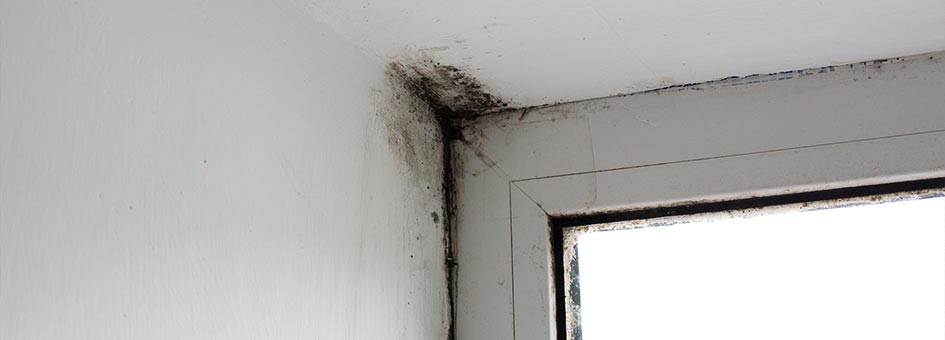
Mold and Allergies: What Homeowners Should Know – Real Risks, Not Fear Tactics for Homes in Tamarac
Mold and allergies get wrapped in way too much panic online. One sniffle and suddenly every headline screams disaster. The reality inside Tamarac homes looks far more practical—and far more manageable. Mold-related allergies are real, but they don’t show up overnight, and they don’t need scare tactics to explain them.
We walk into homes every week where people feel miserable indoors but can’t figure out why. The house looks clean. No obvious mold. AC runs nonstop. The real risk isn’t instant danger. It’s slow, ongoing exposure that quietly adds up. Let’s talk about what actually matters, without exaggeration or hype.
Why Mold and Allergies Commonly Overlap in Tamarac Homes
Mold doesn’t need dramatic growth to affect people. It just needs the right environment.
Florida Conditions Do the Heavy Lifting
Homes in Tamarac deal with:
- High year-round humidity
- Warm temperatures
- Heavy air conditioning use
- Slow indoor drying
These conditions allow mold spores to stay airborne longer. Even small, hidden mold growth can trigger allergy symptoms when exposure happens day after day.
How Mold Triggers Allergy Symptoms (Without the Drama)
Mold affects the immune system before it affects walls.
What Actually Happens
Mold reproduces by releasing microscopic spores. When homeowners breathe them in:
- The immune system reacts
- Inflammation builds gradually
- Symptoms continue as long as exposure continues
Most mold-related allergies don’t feel extreme at first. They feel annoying, persistent, and easy to dismiss. That’s why they last so long.
Common Allergy Symptoms Linked to Mold Exposure
These symptoms often feel mild enough to ignore.
What Homeowners in Tamarac Commonly Report
- Sneezing indoors
- Ongoing nasal congestion
- Itchy or watery eyes
- Scratchy throat
- Mild coughing
When symptoms never fully clear inside the home, mold exposure becomes a realistic possibility, not a scary one.
The Biggest Clue: Symptoms Improve Outside the Home
This pattern matters more than any online checklist.
Why Location-Based Symptoms Matter
If symptoms:
- Improve when you leave the house
- Return shortly after coming home
- Feel worse overnight or in the morning
An indoor trigger likely exists. In Tamarac homes, mold becomes one of the most common explanations once outdoor allergens get ruled out.
Mold Doesn’t Have to Be Visible to Affect Allergies
This misconception delays action constantly.
Where Mold Often Hides
During inspections, we frequently find mold:
- Behind drywall
- Inside wall cavities
- Under flooring
- Inside HVAC systems
- In attics
Hidden mold releases spores just like visible growth. Allergy symptoms often appear long before anyone spots mold on a wall.
HVAC Systems: Why Mold Allergies Feel Like a Whole-House Problem
This is where confusion usually starts.
How HVAC Systems Spread Mold Spores
If mold grows inside:
- Air handlers
- Evaporator coils
- Duct liners
Spores circulate every time the AC runs. That turns exposure into a house-wide issue instead of something limited to one room. Cleaning one spot won’t help if the HVAC keeps redistributing spores.
Why Allergy Medications Often Stop Helping Indoors
This frustrates homeowners more than anything else.
Meds Manage Symptoms, Not Exposure
Allergy medications:
- Reduce symptoms temporarily
- Do not remove mold spores
- Do not stop ongoing exposure
As long as mold remains active indoors, symptoms often return quickly, no matter how consistent medication use becomes.
Mold and Asthma: A Real Risk Without Panic
For some homeowners, allergies escalate into breathing issues.
Why Mold Can Worsen Asthma
Long-term exposure can:
- Trigger asthma flare-ups
- Increase wheezing
- Cause chest tightness
- Reduce breathing comfort
Children, seniors, and people with asthma usually react faster. This isn’t fear-based—it’s exposure-based.
Why Tamarac Homes Face Higher Mold-Related Allergy Risk
Local conditions amplify exposure.
Tamarac-Specific Factors
Homes here often experience:
- Persistent humidity
- Heavy AC usage
- Tight construction trapping air
- Attics that retain moisture
These factors allow mold spores to circulate longer and more consistently indoors, even when growth stays hidden.
Mold Inspection: Turning Guesswork Into Facts
Fear fades fast when facts show up.
What Mold Inspection Actually Reveals
A proper inspection identifies:
- Hidden mold growth
- Moisture sources feeding mold
- HVAC contamination
- Areas contributing to airborne exposure
Inspection explains why symptoms persist indoors instead of leaving homeowners guessing.
Mold Testing: When Allergy Concerns Need Confirmation
Testing isn’t always required, but it can help.
When Mold Testing Makes Sense
Testing adds value when:
- Symptoms persist without visible mold
- HVAC contamination seems likely
- Indoor air quality concerns affect health
- Documentation matters
Testing confirms exposure. Inspection explains the source.
Mold Removal vs Mold Remediation: Why Allergies Depend on the Difference
This misunderstanding keeps symptoms alive.
Why Mold Removal Alone Often Fails
Removal without remediation:
- Eliminates visible mold
- Leaves spores and moisture behind
- Allows continued exposure
Mold Remediation Addresses the Real Risk
Proper remediation includes:
- Containment to prevent spore spread
- HEPA air filtration
- Removal of contaminated materials
- Moisture correction
- Preventive treatments
When exposure stops, symptoms often improve noticeably.
Moisture Control: The Allergy Step Most Homeowners Miss
Mold only survives when moisture allows it.
Common Moisture Sources in Tamarac Homes
We frequently trace mold-related allergies to:
- AC condensation issues
- Poor ventilation
- Slow plumbing leaks
- High indoor humidity
Fixing moisture prevents mold from continuing to release spores into the air.
DIY Mold Cleanup and Allergy Risks
DIY cleanup feels productive. It often backfires.
Why DIY Makes Allergies Worse
Scrubbing mold without containment:
- Releases spores into the air
- Increases inhalation exposure
- Spreads contamination
Many homeowners notice symptoms worsen after cleaning. That outcome isn’t random.
The Cost of Ignoring Mold-Related Allergies
Health and finances overlap here.
What Delayed Action Leads To
Ignoring mold-related allergies often results in:
- Ongoing medical visits
- Increased medication use
- Larger mold remediation projects
- HVAC contamination
- Reduced property value
Early action usually costs far less than long-term exposure.
Early Warning Signs Homeowners Shouldn’t Ignore
Patterns matter more than one symptom.
Pay attention to:
- Symptoms improving outside the home
- Mold returning after cleaning
- Musty odors that come and go
- Dust building up quickly
- Persistent indoor humidity
These signs rarely show up alone.
Practical, Fear-Free Advice That Actually Helps
You don’t need panic. You need clarity.
Smart Next Steps for Tamarac Homeowners
- Track when symptoms appear
- Address moisture immediately
- Schedule a professional mold inspection
- Evaluate HVAC systems
- Avoid surface-only fixes
Each step reduces exposure and improves indoor comfort.
Final Thoughts: Mold and Allergies Are About Exposure, Not Panic
Mold-related allergies don’t explode overnight. They build quietly through ongoing exposure. For homeowners in Tamarac, understanding that reality removes fear and replaces it with control.
When mold exposure stops, people often notice improvement faster than expected. Breathing feels easier. Congestion eases. Energy returns. The solution isn’t panic—it’s identifying what’s circulating inside the home and shutting it down at the source.
