
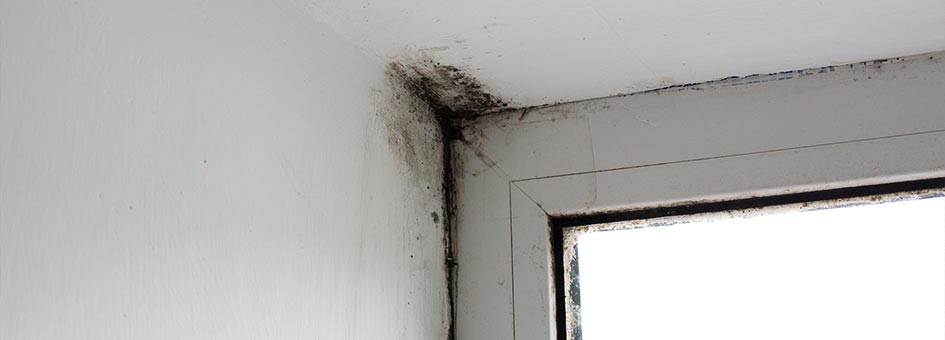
What Most People Get Wrong: Mold Inspection Insights for Homes in Hollywood
Mold is a common issue in Florida homes, particularly in places like Hollywood, where the climate is warm and humid. While most homeowners are aware of mold’s potential health risks, many misunderstand how it grows, where it hides, and how to deal with it effectively. Mold inspection isn’t just about finding visible growth—it’s about identifying hidden moisture problems and understanding the environmental conditions that lead to mold in the first place.
This article clears up the most common misconceptions about mold inspections, providing you with valuable insights to help protect your Hollywood home from mold-related problems. By addressing the facts and myths, we’ll show you why mold inspections are an essential part of home maintenance.
Myth #1: Mold Only Grows After Water Damage
One of the biggest myths about mold is that it only appears after a flood, leak, or visible water damage. While water damage certainly contributes to mold growth, the reality is that mold can grow with minimal water exposure—and even humidity alone can create perfect conditions for mold to thrive.
In Hollywood homes, mold growth is often caused by humidity and moisture accumulation over time, even without obvious water damage. Here’s why:
- Condensation inside walls and HVAC systems caused by high humidity or temperature fluctuations.
- Slow plumbing leaks or leaks that go unnoticed, particularly behind walls or under floors, where moisture remains trapped.
- Inadequate ventilation in areas like bathrooms, kitchens, and attics, where moisture can build up without evaporating properly.
Mold inspections in Hollywood homes consistently show that mold often grows in hidden areas where moisture has accumulated—long before any visible damage occurs.
Myth #2: Mold Only Grows on Visible Surfaces
Many homeowners assume that mold is only a problem when it’s visible, but this is far from the truth. In fact, most mold growth occurs in areas that are hidden from view, like behind walls, inside air ducts, or beneath flooring. By the time you see visible mold, it has often been growing in hidden spaces for weeks or months.
Where mold is most likely to hide in Hollywood homes:
- Inside HVAC ducts: Mold thrives inside air ducts, particularly when moisture is trapped in areas like air handlers or evaporator coils. This can result in mold spores circulating throughout the home.
- Behind drywall: Even if there’s no obvious leak, condensation and humidity can seep into walls, leading to mold growth behind the drywall.
- In attics or basements: Poor ventilation and moisture accumulation are common causes of hidden mold growth in attics and basements.
- Under carpets or flooring: Leaks from plumbing or moisture seepage can lead to mold growth beneath floors, especially in bathrooms or kitchens.
Mold inspections are crucial for detecting hidden growth before it becomes a serious problem. Professional mold inspectors have the tools and expertise to find and address these hidden mold sources.
Myth #3: A DIY Mold Inspection Will Be Enough
While DIY mold testing kits and online resources may seem like an affordable solution, they don’t provide the accuracy or thoroughness needed for effective mold detection. Mold isn’t always visible, and using a DIY kit doesn’t address the underlying moisture problem or prevent mold from coming back.
Why DIY inspections fall short:
- Inability to detect hidden mold: DIY kits may identify surface mold, but they can’t assess mold growing inside walls, floors, or HVAC systems.
- Lack of moisture readings: DIY tests don’t measure moisture levels or assess areas that are at risk for mold growth.
- Untrained assessment: Without proper knowledge of mold growth patterns, it’s easy to overlook moisture sources or areas prone to mold, like the attic or air ducts.
Professional mold inspections go beyond visual checks and surface tests—they include moisture assessments, air quality testing, and detailed inspections of all areas prone to mold growth.
Myth #4: Mold Removal Is All You Need
It’s a common misconception that mold removal is the only thing that matters when dealing with mold. While removing mold is important, it’s only part of the solution. The most important step in mold management is fixing the underlying moisture issue that allows mold to grow in the first place.
What mold removal misses:
- Moisture control: If the moisture problem isn’t resolved (such as fixing leaks or improving ventilation), mold will return.
- Health risks: Simply cleaning visible mold doesn’t address airborne mold spores or the damage mold may have caused to building materials.
- Thoroughness: Mold removal needs to be comprehensive. Hidden mold in air ducts or behind walls can continue to spread even after the surface mold has been removed.
A mold inspection addresses both mold removal and the root cause of the problem. It ensures that mold won’t return and that all areas of your home are inspected for mold growth.
Myth #5: Mold Inspection Is Too Expensive and Unnecessary
Many homeowners think mold inspections are too costly, or they assume that the problem is either too small or too big to address at this stage. However, waiting until visible mold shows up or a major health issue arises can result in far more expensive repairs in the long run. A small inspection fee is an affordable way to avoid costly remediation and health issues later on.
Benefits of mold inspections:
- Early detection saves money by preventing larger mold infestations.
- Moisture control recommendations can save on long-term energy costs by improving ventilation and insulation.
- Health protection: Regular inspections help avoid the long-term health risks associated with mold exposure.
A mold inspection is a proactive investment that pays off by preventing costly repairs and health issues in the future.
Fact: Moisture Control Is Key to Preventing Mold
The best way to keep mold out of your Hollywood home is to control moisture. Mold cannot grow without moisture, so by addressing the root cause of the moisture, you can prevent mold from taking hold.
Here’s how to control moisture effectively:
- Fix leaks immediately: Whether from plumbing, roofing, or windows, any source of moisture should be addressed right away to prevent mold from growing.
- Use dehumidifiers: In areas like bathrooms, kitchens, and basements, dehumidifiers help keep indoor humidity levels low, discouraging mold growth.
- Ensure proper ventilation: Make sure your home has adequate airflow, especially in high-moisture areas. Use exhaust fans in bathrooms and kitchens, and regularly check your attic and crawl spaces for ventilation issues.
- Regular HVAC maintenance: Clean your HVAC system regularly to prevent mold from growing inside air ducts and air handlers.
By focusing on moisture control and regular mold inspections, you can prevent the conditions that lead to mold growth in the first place.
What Homeowners Should Watch For
The earlier you catch mold, the easier and less expensive it is to deal with. Here are a few early signs to watch for in Hollywood homes:
- Musty odors when the AC is running or when entering rooms.
- Condensation or dampness around windows, vents, or in poorly ventilated areas.
- Water stains or discoloration on ceilings, walls, or floors.
- Allergy symptoms (like sneezing, coughing, or sinus congestion) that worsen indoors.
- Visible mold spots on walls, ceilings, or baseboards, especially in areas with high humidity.
If you notice any of these signs, schedule a mold inspection to catch the problem early and prevent it from spreading.
Final Thoughts: Mold Inspections Are Essential for Hollywood Homes
In Hollywood, mold can be a serious problem, but with regular inspections, moisture control, and proactive maintenance, it doesn’t have to be. By understanding the facts about mold, its causes, and the importance of moisture control, you can avoid the myths and ensure your home stays safe and healthy.
The key takeaway is simple: Regular mold inspections and moisture management are your best tools to protect your home from mold-related issues—both visible and hidden.
By addressing mold early, you’ll save time, money, and avoid the health risks associated with mold exposure.
