
What We See Inside Homes: Black Mold Insights for Homes in Coral Springs
“Black mold” is one of the most misunderstood terms homeowners hear—and in Coral Springs, inspections show the reality is far more practical than frightening. Black mold doesn’t usually appear out of nowhere, and it rarely shows up without giving subtle warnings first.
Here’s what real inspections inside Coral Springs homes actually reveal—no fear tactics, just what’s consistently found behind walls, under systems, and around moisture.
Where Black Mold Is Commonly Found
Despite what many expect, black mold is rarely front and center.
During inspections, it’s most often discovered:
- Behind bathroom and kitchen drywall
- Under sinks with slow or intermittent leaks
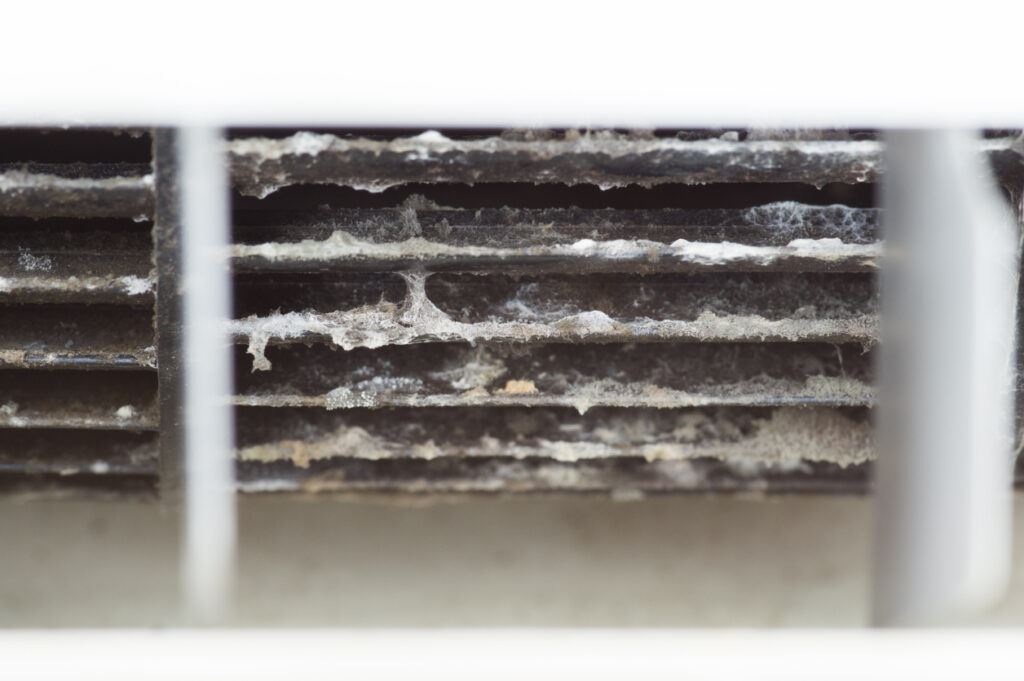
- Inside HVAC air handlers and drain pans
- In closets along exterior walls
- Around windows with ongoing condensation
These areas stay damp longer and receive less airflow—perfect conditions for mold growth.
Why Coral Springs Homes Are Vulnerable
Black mold isn’t about poor upkeep—it’s about conditions.
Inspection patterns in Coral Springs frequently show:
- High indoor humidity year-round
- AC systems running almost nonstop
- Minor plumbing leaks that go unnoticed
- Condensation forming inside walls and ceilings
None of these feel urgent on their own. Together, they quietly support mold growth.
What Homeowners Usually Don’t See
One of the biggest inspection lessons is how often mold grows behind clean surfaces.
Inspectors regularly uncover:
- Mold on the backside of drywall
- Damp insulation feeding ongoing growth
- Mold hidden behind freshly painted areas
- Previous DIY cleaning that removed stains but not moisture
Clean walls don’t always mean dry walls.
Is Black Mold Always Dangerous?
Here’s the grounded answer: not always—but it can matter over time.
From homeowner feedback after inspections, common complaints include:
- Persistent musty odors
- Increased allergy or asthma symptoms
- Sinus irritation indoors
- Mold that keeps returning after cleaning
The concern is prolonged exposure—not instant harm.
Why DIY Cleaning Rarely Solves the Problem
Most homeowners try cleaning first. Inspections show why it often doesn’t last.
DIY efforts usually fail because:
- Bleach doesn’t penetrate porous materials
- Scrubbing releases spores into the air
- Moisture sources remain untreated
- Growth continues behind walls or insulation
The surface looks better, but conditions haven’t changed.
What Actually Stops Black Mold Long-Term
Homes where black mold doesn’t return follow the same steps:
- Identify and fix the moisture source
- Contain affected areas properly
- Remove contaminated materials when necessary
- Control airborne spores
- Dry the environment thoroughly and manage humidity
When moisture is eliminated, black mold loses its ability to grow.
When to Suspect a Hidden Black Mold Issue
Coral Springs homeowners usually investigate further when:
- Mold keeps coming back in the same spot
- There’s a musty smell with no visible source
- Water damage happened months ago
- Allergy symptoms worsen indoors
- Buying or selling a home
These situations often point to hidden growth.
The Real Takeaway From Inspections
From real inspections in Coral Springs homes, the message is clear:
Black mold isn’t mysterious and it isn’t sudden. It grows where moisture stays, spreads where airflow allows, and returns when the cause isn’t fixed. Skip the panic. Focus on moisture control, proper inspection, and correct remediation—and black mold becomes a manageable, solvable issue instead of a recurring one.
What We See Inside Homes: Black Mold Insights for Homes in Coral Springs
