
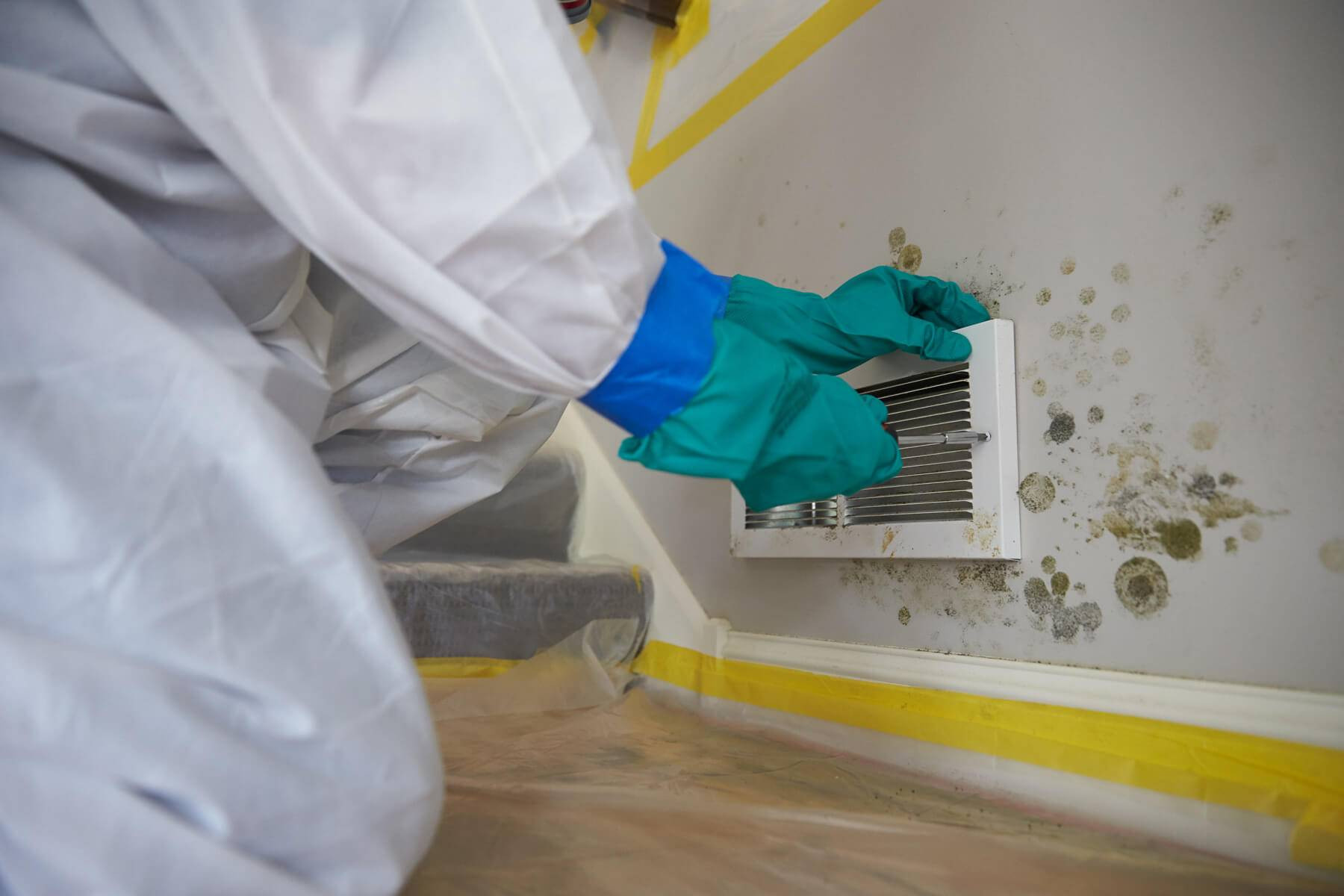
Why Ignoring It Costs More: Mold Inspection Insights for Homes in Hollywood
Mold problems rarely announce themselves loudly. In Hollywood, they usually show up as something easy to ignore—a faint odor, humidity that feels “normal,” or a spot that looks cosmetic at best. That’s exactly why costs climb later. We inspect homes all the time where a quick check months earlier would’ve saved homeowners a lot of money, stress, and disruption.
This article breaks down why ignoring mold inspections costs more for homes in Hollywood, using real inspection insights instead of fear tactics. No worst-case hype. Just the practical reasons waiting almost always turns a small issue into a bigger one.
Why Mold Inspection Gets Put Off in Hollywood Homes
Living in Hollywood means heat, humidity, and AC running almost nonstop. Moisture becomes background noise here, which makes it easy to downplay real warning signs.
Most homeowners assume:
- Mold would be obvious if it were serious
- A mild smell isn’t worth worrying about
- Newer or well-kept homes don’t hide mold
Inspection data consistently proves those assumptions wrong.
The First Cost of Ignoring Mold Inspection: Time
Time works against homeowners when mold stays unchecked. Mold doesn’t stop growing on its own. It waits for moisture to stay active long enough to spread.
We see this timeline constantly:
- Moisture appears quietly
- Mold grows out of sight
- Air quality slowly declines
- Damage expands into new areas
Early inspections interrupt that timeline. Delays let it run.
Why Hidden Mold Drives Costs Up Fast
Visible mold often gets addressed quickly. Hidden mold does the real damage because it stays undisturbed.
During inspections, we commonly find hidden mold:
- Behind drywall
- Under cabinets
- Inside HVAC air handlers
- Within duct insulation
By the time mold becomes visible, it usually spread far beyond the original moisture source.
HVAC Systems: Where Costs Multiply
Once mold reaches the HVAC system, the scope changes completely. HVAC systems distribute spores efficiently and repeatedly.
Inspection findings often include:
- Mold on evaporator coils
- Damp internal insulation
- Standing water in drain pans
- Spores exiting supply vents
At that point, mold stops being a room issue and becomes a whole-home issue. Whole-home problems always cost more.
Moisture Is the Root Cause Inspections Catch Early
Mold inspections focus on moisture first, not just growth. Moisture tells the real story long before mold becomes obvious.
Common moisture sources in Hollywood homes include:
- AC condensation
- High indoor humidity
- Minor plumbing leaks
- Poor ventilation
Ignoring moisture allows mold to grow quietly while surfaces look fine.
Mold Removal vs. Mold Remediation: Where Costs Split
Many homeowners attempt mold removal without understanding mold remediation. That choice often doubles costs later.
Here’s the difference:
- Mold removal eliminates visible contamination
- Mold remediation corrects moisture and airflow conditions
Removal without remediation leads to regrowth. Regrowth leads to repeat projects. Repeat projects get expensive.
Why DIY Efforts Increase Final Costs
DIY cleanup feels like a smart first step. Inspections show it often delays the right solution.
DIY approaches fail because:
- Hidden mold stays active
- Moisture sources remain untouched
- HVAC systems keep circulating spores
- Cleaning spreads spores without containment
We frequently remediate larger areas after DIY attempts than before.
Mold Inspection: The Cost-Control Tool Most People Skip
A professional mold inspection identifies how big the problem really is and why it exists. That clarity saves money.
During inspections, we evaluate:
- Moisture inside walls
- Indoor humidity levels
- HVAC systems
- Areas with past water intrusion
Early inspection keeps remediation focused instead of invasive.
When Mold Testing Prevents Bigger Expenses
Not every situation needs mold testing, but testing helps when mold hides out of sight.
Testing can:
- Confirm airborne contamination
- Define remediation boundaries
- Support real estate or insurance needs
- Prevent unnecessary demolition
Good data prevents costly guesswork.
Structural Damage: The Quiet Cost of Waiting
Mold doesn’t just affect air quality. It degrades materials over time when moisture stays active.
Delayed inspections often reveal:
- Deteriorated drywall
- Compromised insulation
- Softened wood framing
- Subfloor damage
Structural repairs add far more cost than early remediation ever would.
Health Costs Add to the Total
Ignoring mold doesn’t just affect the house. It affects the people living in it.
Homeowners often report:
- Chronic congestion indoors
- Headaches at home
- Fatigue without explanation
- Worsening asthma symptoms
Medical visits, missed work, and reduced comfort all add to the real cost of delay.
Why Hollywood Homes Face Ongoing Mold Risk
Homes throughout Broward County deal with mold pressure, but Hollywood adds coastal humidity and continuous HVAC operation.
Inspection trends often show:
- Elevated indoor humidity
- HVAC systems that never fully dry
- Moisture intrusion near exterior walls
- Limited natural ventilation
These conditions make early inspections especially valuable.
Real Inspection Insight: “It Didn’t Seem Urgent”
One Hollywood homeowner ignored a faint musty smell because no mold was visible. Months later, inspection revealed hidden growth behind walls and mold inside the HVAC system.
Early inspection would’ve limited remediation to one area. Waiting expanded it into multiple rooms and the HVAC system. The cost difference wasn’t small.
How Professional Remediation Keeps Costs Down
Professional mold remediation focuses on stopping growth permanently, not temporarily.
Effective remediation includes:
- Containment to prevent spread
- HEPA filtration
- Removal of contaminated materials
- Moisture correction and verification
When moisture stops, mold stops—and so do repeat expenses.
Post-Remediation Verification Saves Money Later
Verification confirms remediation worked and prevents paying twice.
Verification may include:
- Moisture measurements
- Visual confirmation
- Optional follow-up testing
Homes without verification face higher recurrence rates.
How Often Homes Should Be Inspected
In humid climates, mold risk changes over time.
We recommend inspections:
- Annually
- After water damage
- When odors appear
- Before buying or selling a home
Regular inspections keep problems small.
Preventing Mold After Inspection
Inspection results don’t just find problems. They guide prevention.
Effective prevention includes:
- Managing indoor humidity
- Maintaining HVAC systems
- Fixing leaks immediately
- Using ventilation consistently
Prevention always costs less than repair.
Why Waiting Always Costs More
Mold doesn’t stabilize on its own. It spreads until conditions change.
Delays allow:
- Moisture to migrate
- HVAC systems to distribute spores
- Materials to absorb more water
- Remediation scope to grow
Waiting never makes mold cheaper to fix.
Final Thoughts: Inspections Save Money by Staying Boring
Mold inspections in Hollywood homes don’t rely on fear. They rely on early detection, moisture measurement, and clear data. Ignoring inspections doesn’t save money—it delays the inevitable and makes it bigger.
The solution stays consistent: thorough mold inspection, targeted mold testing when appropriate, proper mold removal, and complete mold remediation. Address mold early, and costs stay manageable.
If something feels off in your Hollywood home—air quality, odors, or unexplained symptoms—don’t wait for visible mold to confirm it. By the time you see it, the price tag is already higher than it needed to be.
